
Review · THE USA
Seattle: Guided Underground Walking Tour
Seattle’s most unusual city walk takes you below Pioneer Square, where old streets and storefronts sit beneath the modern city. In one hour, you’ll see three underground passageways dating from the 1890s and learn how Seattle rebuilt after the Great Fire of 1889.
I like the clear link between Seattle’s past and the city you see above ground. I also like the guides’ lively storytelling. David, Dave, Eowyn, Jim, and several other guides are praised for mixing solid local history with humor, including the occasional corny joke. The main drawback is practical: six flights of stairs, uneven ground, and no elevator make this a poor choice for anyone with mobility limits.
Key points to know before you go
- Three 1890s passageways: Walk through buried streets and old storefront areas beneath Pioneer Square.
- Seattle after the fire: Learn how the 1889 blaze reshaped the city’s construction.
- Four blocks of Pioneer Square: The tour connects the underground spaces with the streets above.
- Strong guide-led storytelling: Guides such as David, Dave, Eowyn, and Jim use facts, humor, and personal energy.
- One hour at $31: A compact introduction to Seattle’s early development at a reasonable city-tour price.
- Six flights of stairs: Wear comfortable shoes and expect an outdoor and underground walk with no elevator.
Why Seattle’s underground exists
This is not a tunnel tour in the usual sense. You are not walking through a long passage carved beneath the city. Instead, you are seeing pieces of an earlier Seattle that ended up below the current street level.
The story begins with the Great Fire of 1889, which destroyed large parts of Seattle. The city had to rebuild, but rebuilding did not simply mean replacing burned buildings on the same ground. Seattle’s early streets ran across swampy land, creating practical problems for drainage, access, and construction.
The solution was bold and rather strange. Retaining walls were added along the streets, and the spaces behind them were filled. New roads were then built several feet above the original ones. The old sidewalks, storefronts, and street-level entrances were left below.
That decision created the unusual city you see on this tour. Modern Pioneer Square sits above parts of the earlier city, while the older passageways remain below. The tour helps you picture both levels at once, which is far more useful than hearing a simple account of a fire and a rebuilding project.
I especially like that the underground spaces are not treated as a stand-alone curiosity. Your guide explains how the buried areas connect to Seattle’s growth, its construction choices, and the way people used the city after it was rebuilt.
Guided tours around the USA:
- From Las Vegas: Emerald Cave Guided Kayaking Tour
★ 4.9 · 456 reviews - Niagara Falls, USA: Guided Tour With Boat, Cave & More
★ 4.5 · 239 reviews - From Las Vegas: Guided Emerald Cave Kayak Tour
★ 4.8 · 17 reviews
Meeting beneath Cherry Street Coffee
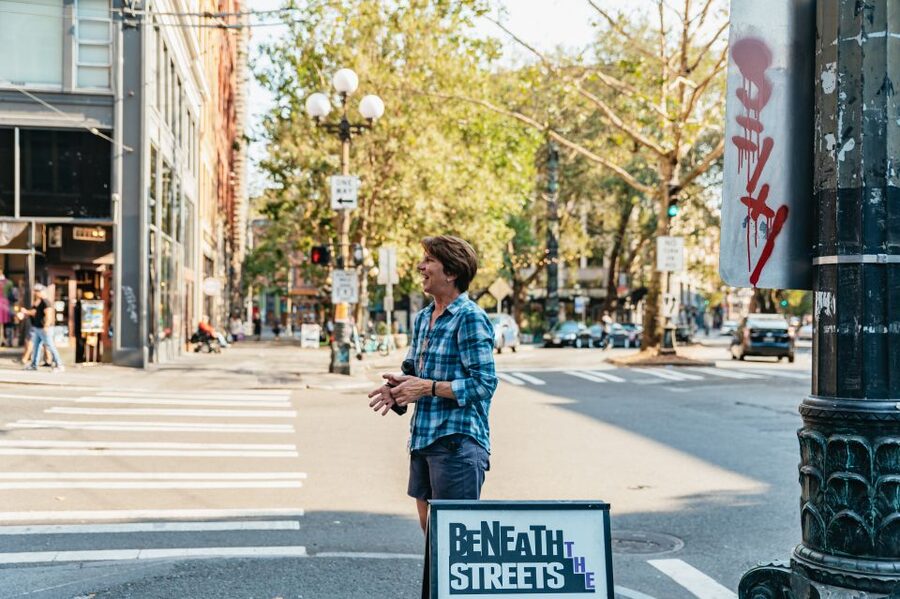
The meeting point is beneath Cherry Street Coffee. Look for the black and purple Beneath the Streets sign, then take the stairs down to the reception desk.
That detail matters because the entrance is not presented as a major street attraction. You are heading into a working part of Pioneer Square, then going below street level before the walking portion begins. Give yourself enough time to spot the sign and make your way down without rushing.
The tour is conducted in English with a live guide. Because the experience lasts only one hour, the guide has to keep the group moving while explaining a large amount of material. The strongest part of the experience is the balance between walking and stopping. You are not parked in one room for a long lecture, but you are given enough time at each point to understand what you are seeing.
Comfortable shoes are essential. This is not the place for delicate footwear, and the underground sections include uneven ground. The tour is partly outdoors, so dress for Seattle’s conditions rather than assuming you will remain inside.
The first steps into Pioneer Square’s buried city
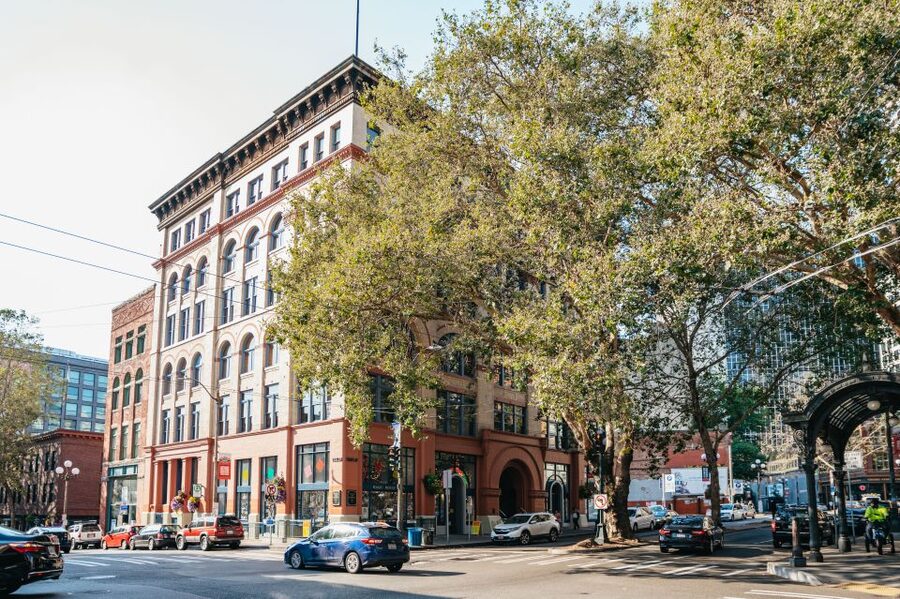
The walk covers more than four city blocks of historic Pioneer Square. That gives the tour a useful sense of place before you focus on the underground sections. You see the historic architecture above the streets, then connect it with what survives below.
The guide’s job here is to make the old city visible in your imagination. You may be looking at a wall, a passage, or a buried storefront, but the explanation helps you understand that these were once part of the normal street level. The experience works best when you pay attention to the relationship between the two levels.
This is also where the human side of Seattle’s early development comes through. The tour covers how the city was born, the tragedies that affected it, and the choices made after the fire. It is not just a story about buildings. It is a story about a growing city making fast, sometimes drastic decisions.
Guides have different personalities, but the overall approach is conversational. David is praised for remembering where people came from and working those details into his presentation. Dave is often described as lighthearted and full of facts. Eowyn is noted for her energy and humor, while Jim is praised as a strong storyteller. Your guide may be someone else, but the experience depends heavily on that live presentation.
Three passageways from the 1890s
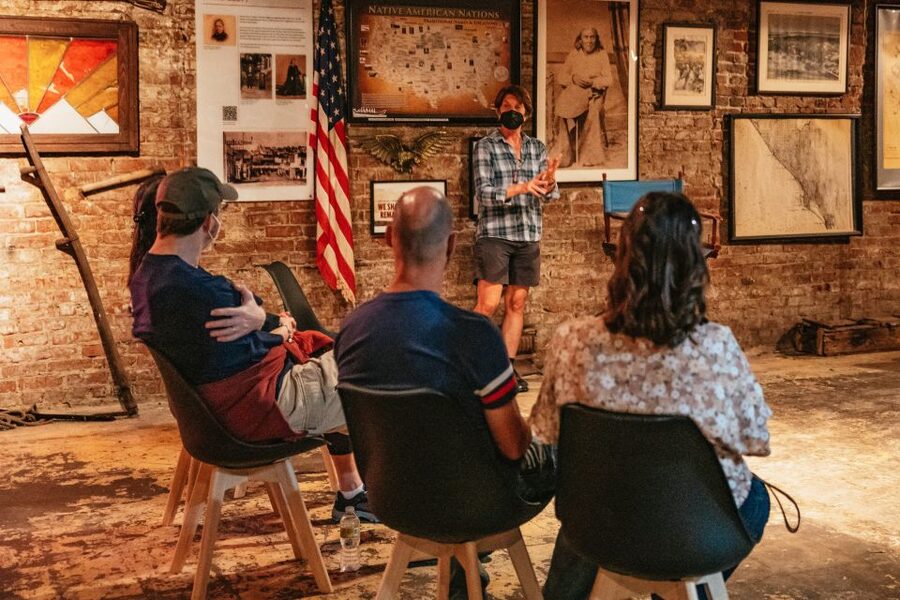
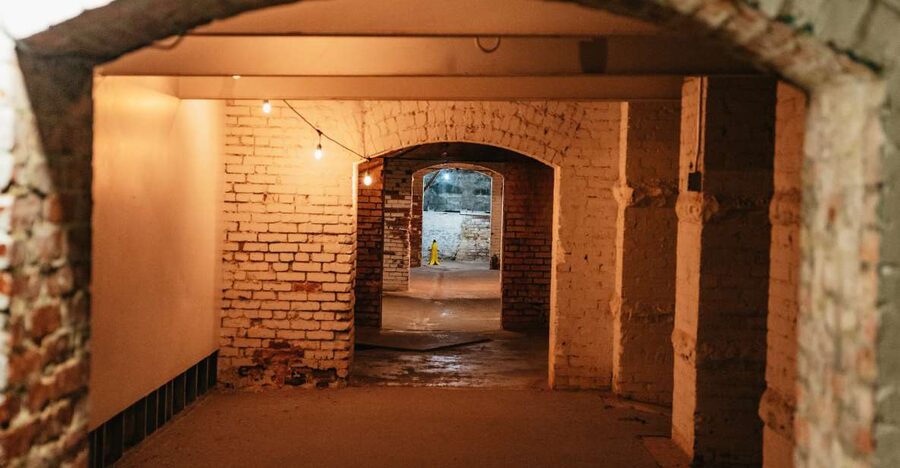
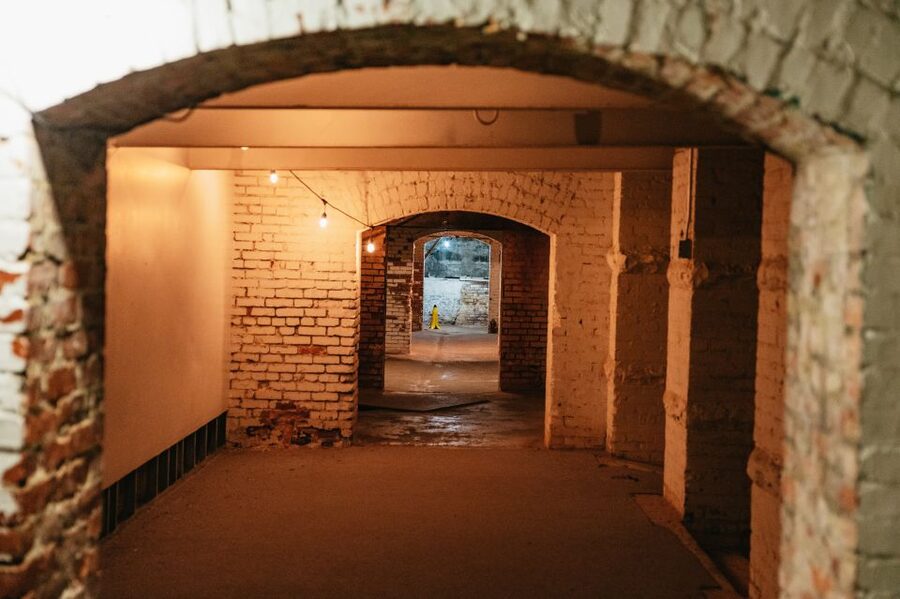
The central part of the tour takes you through three underground passageways originally constructed in the 1890s. These are the places where the idea of Seattle’s buried past becomes concrete.
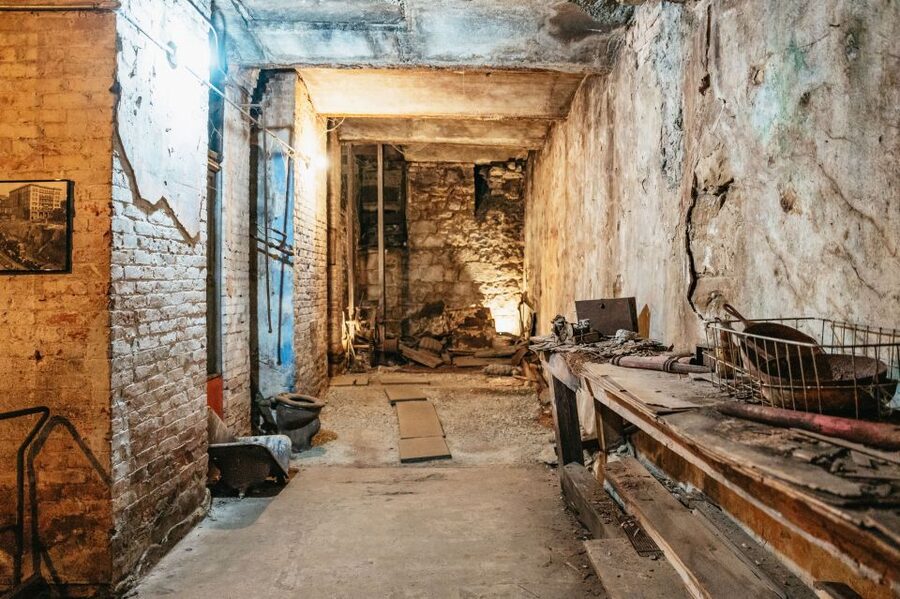
You walk through old below-street areas and see remnants of the earlier city. The appeal is not polished staging. In fact, you should not expect fully reconstructed rooms or a museum display at every turn. The spaces are valued for their original surfaces, structure, and sense of age.
Some photographs and visual material help explain the story, but not every display is large or elaborate. One useful expectation is to come for the architecture and the explanation, not for a theatrical attraction filled with props.
The old storefront areas are especially helpful because they show how the change in street height affected everyday city life. A building could remain, but its relationship to the street changed. What had once been a ground-level entrance could become part of a lower passageway after the new streets were built above it.
The passageways also make the scale of the rebuilding easier to grasp. Hearing that streets were raised several feet is one thing. Standing below the current road and seeing the earlier level gives the fact a physical meaning.
Same rock, a different way in:
- Best Niagara Falls US Tour W/Boat Ride, Cave & More Wonders!
★ 5.0 · 8,372 reviews - Beneath The Streets Underground History Tour
★ 4.5 · 8,006 reviews - Half-Day Emerald Cave Kayak Tour with Optional Hotel Pickup
★ 5.0 · 4,978 reviews - Niagara Falls USA: Maid of the Mist & Cave Adventure
★ 5.0 · 3,924 reviews
The Great Fire and Seattle’s rapid rebuilding
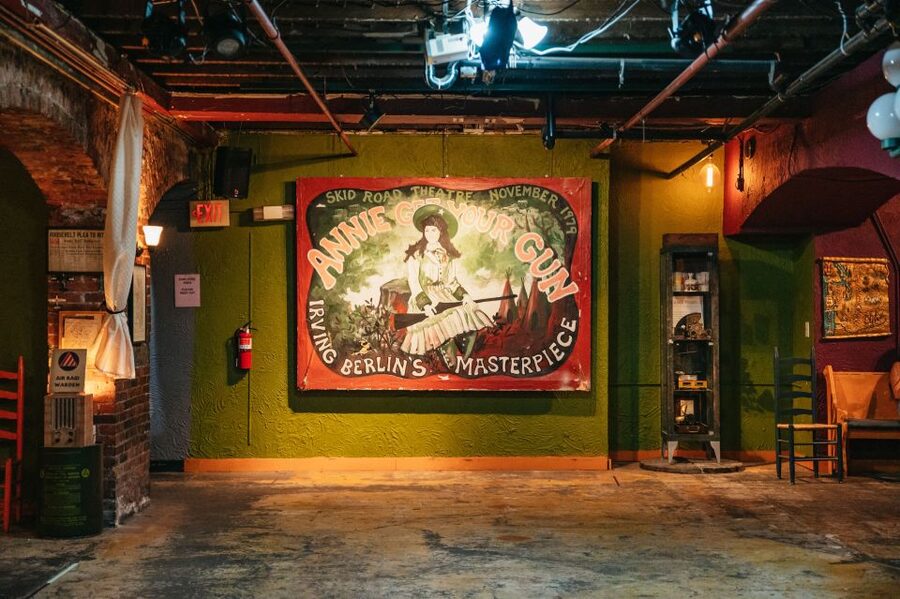
The Great Fire of 1889 is the historical center of the walk. Your guide explains how much of Seattle was destroyed and how the disaster shaped the city’s next phase.
The fire is not treated as an isolated tragedy. It becomes the turning point in a larger story about development. Seattle had to rebuild quickly, and the decisions made during that process affected the streets, retaining walls, buildings, and underground spaces you see today.
This is where the tour offers more than a spooky look beneath the sidewalks. The buried areas are the result of civic engineering, not a planned underground attraction. Their existence tells you how cities adapt when land, drainage, construction, and public safety create competing demands.
I like this part because it gives you a better way to read Pioneer Square afterward. Once you understand that the current streets were raised over the old ones, the neighborhood’s architecture gains another layer. You begin to look at doors, walls, and changes in ground level with more curiosity.
The guide also covers Seattle’s early settlement and development, along with colorful details about the people and events connected to the city’s beginnings. The balance of personalities, construction, disaster, and quirky facts keeps the talk from becoming a dry building lecture.
What the guide adds to the experience
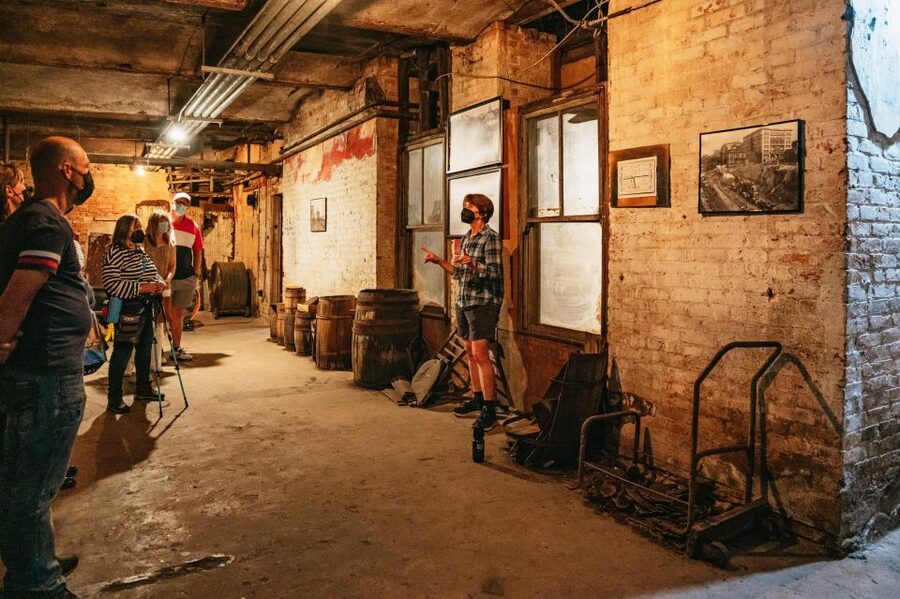
A self-guided walk could show you old walls and low passageways, but it would not necessarily explain why they are there. The guide supplies the missing link between each physical feature and the city’s story.
This is the most highly praised part of the experience. Guides are repeatedly described as energetic, funny, engaging, and well informed. That matters because one hour is a short time to cover Seattle’s settlement, the fire, the rebuilding, and the underground structures.
Expect a mix of serious history and humor. Some guides use dry jokes, dad jokes, or a light comic touch to keep the group attentive. That style will suit you if you like history presented as a conversation rather than a formal lecture.
The tour can also work well for local residents. You do not need to be new to Seattle to learn something here. The underground levels are easy to overlook, even if you have lived in the area for years, and the explanations connect familiar streets with a less familiar past.
Families can enjoy the format, though parents should consider the stairs and walking surface. The tour keeps moving, and children who need a stroller may have to carry it up and down the stairs or store it at the ticket office during the walk.
Is $31 a fair price for one hour?
At $31 per person, this is not the cheapest possible way to spend an hour in Seattle. You can walk through Pioneer Square on your own for nothing. The question is what you receive beyond access to the neighborhood.
The price pays for entry to the underground areas and, more importantly, a live explanation of what you are seeing. Without a guide, the old passageways may look like disconnected pieces of masonry. With the history of the fire and street raising in place, they become part of a clear story.
The value is strongest if you are interested in Seattle’s origins, architecture, engineering, or unusual city history. It is also useful near the beginning of a Seattle visit because it gives you context for Pioneer Square and the streets around it.
The one-hour length helps the value. You get a focused experience without giving up half a day. Several people find the time frame just right for a morning activity or a compact stop between other plans.
On the other hand, do not book it expecting a large museum or a long underground expedition. The passageways are historic, but the experience is compact and guide-centered. If you want extensive exhibits, staged rooms, or a broader tour of Seattle, this will feel limited.
Practical limits: stairs, weather, and access
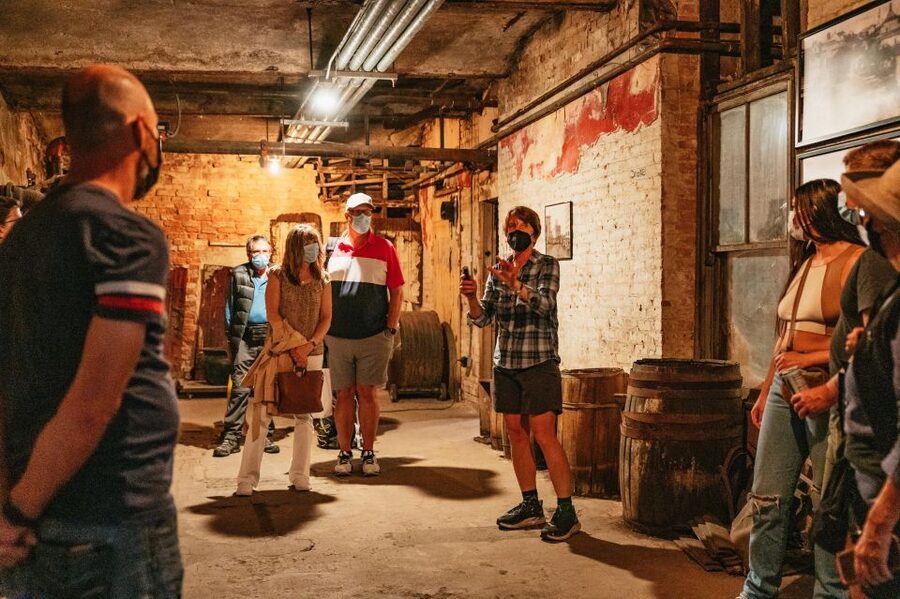
The tour includes six flights of stairs and has no elevator access. That is the most important limitation, and it is more significant than the one-hour duration. The experience is not suitable for people with mobility impairments.
You should also expect uneven ground. Comfortable shoes are specifically recommended, and that advice is worth following. The walk is both outside and underground, so weather can affect the outdoor portions even though much of the tour takes place below street level.
Pets are not allowed. Strollers may be carried up and down the stairs or stored in the ticket office for the duration of the tour.
The pace is generally manageable, but the guide must cover a lot of material in a short period. If you like to linger over every architectural detail, you may find the hour moves quickly. If you prefer a tight introduction with a clear beginning and end, the timing works well.
You can cancel up to 24 hours in advance for a full refund, and the reserve-now, pay-later option keeps the booking flexible. Those terms are useful if your Seattle plans depend on weather or changing schedules.
Who should book the Beneath the Streets tour?
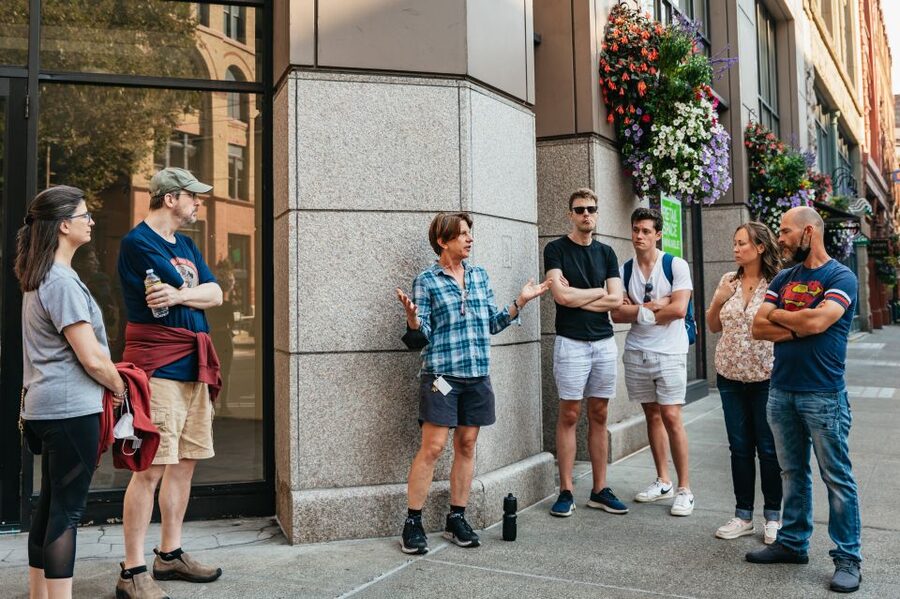
I would choose this tour if you want a short, unusual introduction to Seattle that combines physical places with a strong local story. It suits first-time visitors, history fans, architecture enthusiasts, families able to manage the stairs, and Seattle residents who want to see a part of the city they may have missed.
It is also a good choice if you prefer a guide who talks with the group rather than simply reciting dates. The repeated praise for guides such as David, Dave, Eowyn, Jim, and others points to a consistent strength: the presentation is lively, personal, and often funny.
I would skip it if stairs are difficult for you, if you dislike uneven surfaces, or if you want a long, atmospheric underground adventure. It may also disappoint anyone expecting fully staged historic rooms. The reward comes from understanding the real structures and the decisions that put them below today’s streets.
For most visitors, $31 is fair for a one-hour guided experience with access to three historic passageways. Book it if you want Seattle’s past explained through the actual streets and structures that remain, not just through a museum panel.
FAQ
How long is the Seattle Underground Walking Tour?
The tour lasts one hour.
How much does the tour cost?
The price is $31 per person.
Where does the tour meet?
The meeting point is beneath Cherry Street Coffee. Look for the black and purple Beneath the Streets sign and take the stairs down to the reception desk.
What does the tour include?
It includes a live English-speaking guide and the walking tour.
How many underground passageways will I see?
You will walk through three historic passageways that date from the 1890s.
How much of Pioneer Square does the tour cover?
The route explores more than four city blocks of historic Pioneer Square.
How many stairs are on the route?
There are six flights of stairs, and there is no elevator access.
Is the tour suitable for someone with mobility impairments?
No. The tour is not suitable for people with mobility impairments because of the stairs and uneven ground.
Can I bring a stroller?
You may carry a stroller up and down the stairs or store it in the ticket office for the duration of the tour.
Can I bring a pet?
No. Pets are not allowed.
Newly added caves around the USA
- Niagara Falls Walking Tour with Maid of the Mist & Cave★ 4.1 · 24 reviews
- Niagra Falls, USA Side: Boat, Cave and Shuttle pass Tour★ 4.6 · 653 reviews
- Niagara Falls, USA: Maid of Mist & Cave of Winds Combo Tour★ 4.7 · 443 reviews
- Niagara Falls, USA: Guided Tour With Boat, Cave & More★ 4.5 · 239 reviews
- Niagara Falls USA: Cave of the Winds & Maid of the Mist Ride★ 4.8 · 550 reviews
- New York City: Catacombs by Candlelight★ 4.4 · 536 reviews
- NYC: History of Slavery & Underground Railroad Walking Tour★ 4.7 · 87 reviews
- Nā Pali Coast Zodiac Raft Sea Caves Expedition on Kauai★ 4.6 · 15 reviews
USA Cave Tours worth comparing.

Half-Day Emerald Cave Kayak Tour with Optional Hotel Pickup
Read our review →

Emerald Cave Kayak Tour: Scenic Paddle with Optional Shuttle
Read our review →

Emerald Cave Express Kayak Tour with Scenic & Historic Stops
Read our review →
Kona Snorkel Tour: Captain Cook Reef Snorkel, Dolphin & Sea Caves
Read our review →
Delicious Donuts & City Sights: Chicago’s Original Donut Tour
Read our review →Lists this cave tour appears in