
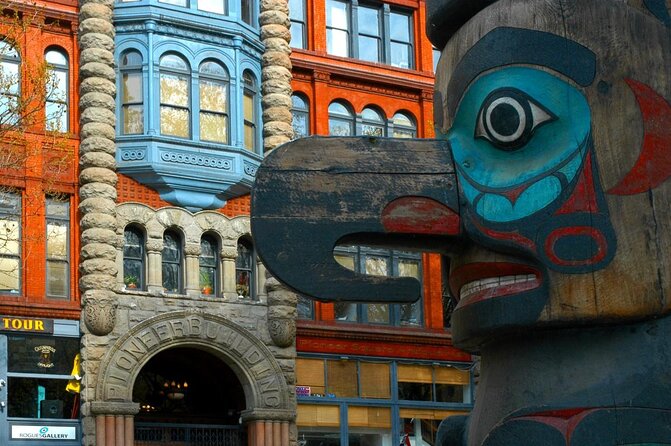
Review · THE USA
Beneath The Streets Underground History Tour
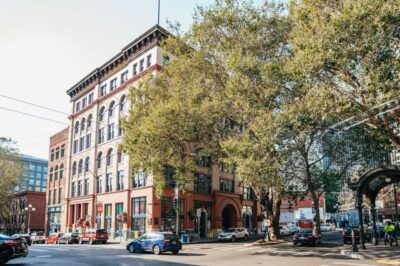
Seattle’s Pioneer Square has a second street level, built after the city raised its roads and rebuilt following the Great Fire. Beneath The Streets takes you through three remaining passageways and connects them to Seattle’s early days, from Coast Salish settlement to the Klondike Gold Rush.
I like the small maximum group of 20 and the fact that guides such as David, Patti, Sarah, and Imogen bring their own humor and stories rather than delivering a stiff, memorized speech. I also like the short, useful format: one hour, about half a mile, and several tour times. The catch is simple: this is not an hour spent entirely below ground. You walk above street level between the three separate underground spaces.
Key points to know before booking
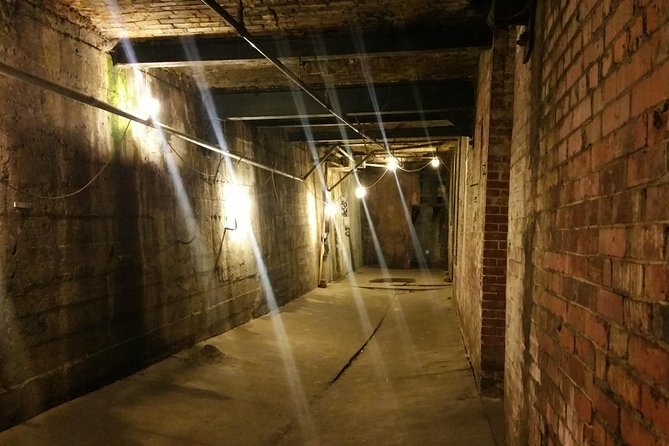
- Three separate underground passageways: The spaces are not connected, so the tour moves between them above ground.
- Seattle’s early story in one hour: Expect the Great Fire, 1890s rebuilding, the Yukon Gold Rush, Skid Row, and Coast Salish history.
- Lively, guide-led storytelling: David, Patti, Sarah, Imogen, Jim, and other guides are praised for humor, energy, and personal delivery.
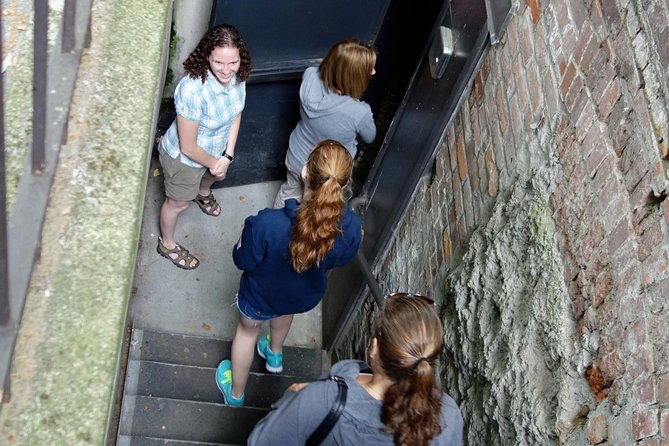
- Four blocks and three flights of stairs: You cover about half a mile at an easy pace, with stairs and uneven surfaces along the way.
- A good family and local activity: Children as young as seven have enjoyed it, and locals can still pick up new details.
- Good value at $29.03: The price is fair if you want a compact history lesson with physical access to old Seattle spaces, but less so if you expect a large subterranean city.
Why Seattle’s hidden lower level matters
The underground is not a fantasy city buried beneath Seattle. It is the leftover street level of early Pioneer Square, covered or cut off when the city rebuilt and raised its roads in the 1890s.
That distinction matters. You are not walking through one long tunnel. You are visiting three historic spaces spread across roughly four blocks, with the guide explaining how they once fit into the working city above.
This arrangement gives the tour its main strength. You do not just look at old walls and storefronts. You compare the present-day neighborhood with the street level where Seattle’s first businesses operated. The story becomes easier to follow because the guide keeps pointing out how the old and new levels relate.
I find this more useful than a tour that treats the underground as a novelty alone. The passageways are the hook, but Seattle’s growth is the real subject.
History tours around the USA:
- Emerald Cave Express Kayak Tour with Scenic & Historic Stops
★ 5.0 · 1,522 reviews - Delicious Donuts of Boston: A Sweet History Walking Tour
★ 5.0 · 1,038 reviews - NYC: History of Slavery & Underground Railroad Walking Tour
★ 4.7 · 87 reviews
Starting at 102 Cherry Street
The tour begins at 102 Cherry Street in Pioneer Square. Confirmation arrives when you book, and a mobile ticket makes it easy to keep the details on your phone.
At the start, your guide sets up the basic story of Seattle’s birth in the 1890s. You learn about the original neighborhood, the architecture of the period, and the events that changed a small settlement into a major American city.
This opening is important because the underground spaces make little sense without context. The guide explains why the city rebuilt, why the old street level was left below, and how Pioneer Square changed over time.
The best guides give this material personality. David has been praised for tying the above-ground story to what you see below. Patti brings humor and energy. Imogen is known for creating vivid pictures of earlier Seattle through storytelling. You may have a different guide, but the company’s approach is deliberately unscripted, allowing each guide to shape the presentation.
That can be a plus or a minus. A warm, experienced guide can make the hour fly by. A less engaging guide may leave you wishing for more time underground. The historical material is solid, but the delivery carries a lot of the experience.
Three passageways from 1890s Seattle
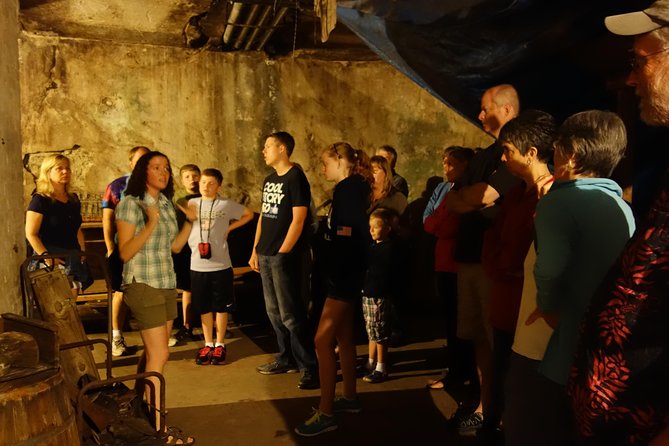
The central part of the tour covers three underground passageways originally built in the 1890s. You see old architectural details and the spaces connected with businesses and daily life at Seattle’s first street level.
Expect a mix of walking, stops, and explanation. This is not a museum where you move independently through rooms. The guide controls the pace and uses each location to explain how Pioneer Square worked in its early years.
The spaces are described as cleaner and less unpleasant than some people expect from the word underground. One important practical point: the tour does not require you to squeeze through tight tunnels. A person with claustrophobia found the experience comfortable, but the supplied information does not promise that every visitor will feel the same.
The old surfaces are uneven in places. There are three flights of stairs, with the route going up and down each flight during the hour. None are described as daunting, but you should wear comfortable shoes and take care on the steps.
You should also keep your expectations in check. If your main goal is to see as much underground Seattle as possible, the amount of talking above ground may surprise you. The tour spends time on the surface because the three sections are not interconnected.
The Great Fire and the rebuilt city
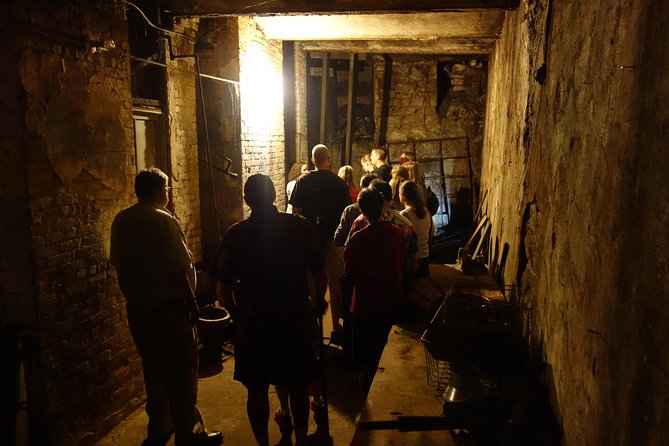
Seattle’s Great Fire is one of the key turning points covered on the tour. The fire led to a major rebuilding effort and helped create the city level you see today.
The guide uses Pioneer Square to show how urban decisions leave physical traces. A raised sidewalk or street is not just an odd detail. It reflects the practical effort to rebuild, improve drainage, and reshape the young city.
This is where the tour works best for people who enjoy seeing history in place. Instead of memorizing dates in a gallery, you stand in the neighborhood and hear why its streets and structures developed as they did.
The tour also covers 1890s architecture. You will not get a full architectural survey in an hour, but you do get enough background to notice the age and purpose of the buildings around Pioneer Square.
Same rock, a different way in:
- Best Niagara Falls US Tour W/Boat Ride, Cave & More Wonders!
★ 5.0 · 8,372 reviews - Half-Day Emerald Cave Kayak Tour with Optional Hotel Pickup
★ 5.0 · 4,978 reviews - Niagara Falls USA: Maid of the Mist & Cave Adventure
★ 5.0 · 3,924 reviews - New York Catacombs by Candlelight
★ 4.5 · 2,863 reviews
Coast Salish history deserves attention
Seattle’s story did not begin with settlers in the 1890s. The tour includes the Coast Salish peoples, the related Indigenous communities who first inhabited the area.
The guides take part in workshops on cultural traditions and history with special historians and Native Tribal members as part of their ongoing preparation. That detail matters because it shows an effort to place Seattle’s founding within a longer timeline rather than presenting the city as if it appeared from nowhere.
You should listen closely during this part. The tour has many subjects to cover, and this section is one of the most valuable for putting the rest of the story in perspective.
For locals, it can provide a useful correction to the familiar city origin story. For visitors, it gives you a better sense of the place before the streets, businesses, and gold rush crowds arrived.
The Klondike Gold Rush connection
Seattle’s role in the Yukon gold rush is another major part of the hour. The city became a crucial outfitting and shipping point for people heading north in search of gold.
The tour explains how the rush affected Seattle’s growth and public image. The city did not simply sit near the action. It used its location and business network to benefit from the surge of people and money moving toward the Yukon.
This is a good example of the tour’s wider method. It links a local street corner to a much larger North American event. Pioneer Square becomes more than an old district. It becomes a place shaped by ambition, risk, commerce, and sudden population growth.
If you have extra time after the tour, the Klondike Gold Rush museum in the neighborhood is a useful follow-up. The tour guides may point you toward it, and a museum visit can add more detail to the short introduction you receive here.
Skid Row and the changing face of Pioneer Square
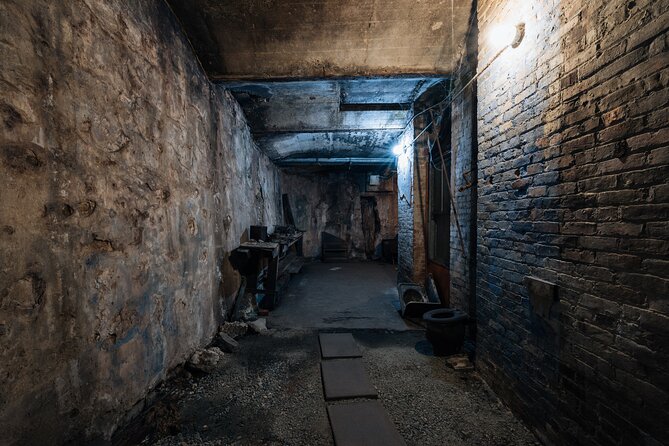
The tour also covers Skid Row, the rough urban district that once served as a main street in Pioneer Square. This part helps explain why the neighborhood has had such different reputations over time.
Pioneer Square is not presented as a frozen historic district. You see the current streets while hearing about earlier periods of business, decline, and change. That contrast is one of the more useful features of the route.
You should expect discussion rather than a dramatic set piece. The guide’s job is to explain how the area functioned and how its reputation developed. The tour does not promise a full social history of every decade, but it gives you a framework for understanding the neighborhood as you walk through it afterward.
I especially like this above-ground portion when it is tied directly to what surrounds you. It helps you look at modern Pioneer Square with more awareness, rather than treating the underground as a separate attraction.
How much time is actually below street level?
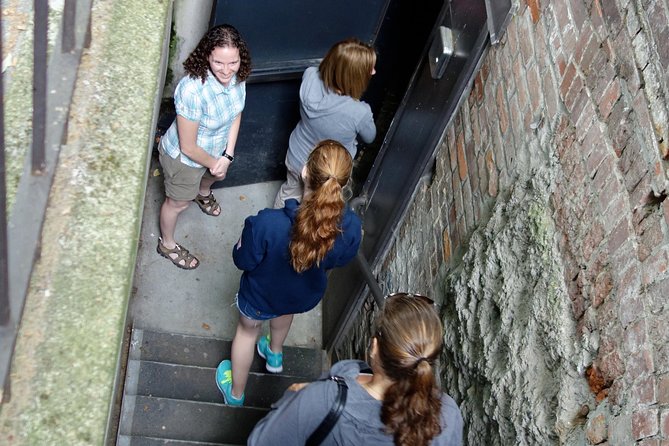
This is the main point to consider before you pay. The title and premise can make you picture a long underground walk. In practice, you visit three underground spaces and spend part of the hour above ground moving between them.
One dissatisfied visitor expected more time below street level and felt the experience offered too much walking and talking. That criticism is fair if your priority is maximum underground access.
The company explains that the underground areas are not connected. That is why the surface sections are necessary, not filler added at random. Still, you should book this as a history walking tour with underground access, not as a continuous underground expedition.
The route covers about four blocks, or roughly half a mile, at a leisurely pace. The stated duration is about one hour, though one itinerary detail lists a 15-minute section followed by a one-hour Pioneer Square section. Plan around the advertised one-hour experience and allow extra time if you want to explore the neighborhood afterward.
Group size, pace, and guide style
The maximum group size is 20. That is small enough for a guide to keep the group together and answer questions, while still large enough that you should not expect a private tour.
The pace is leisurely. You will stop often for explanations, and the route is manageable for most people who can handle stairs and uneven surfaces.
Guide quality is central here. The most effective guides make the material funny and personal. David has been singled out for connecting the above and below street levels. Patti is praised for enthusiasm. Sarah brings long experience, and Imogen combines historical detail with a lively performance style. Jim is also known for a strong command of the subject.
The company does not use a rigid script. That gives the guide room to answer questions and add related material, but it also means the exact emphasis can vary. One group may hear more about the underground spaces, while another may get more city history.
That flexibility suits curious people who enjoy conversation. If you want a tightly timed, identical presentation every visit, this may feel less predictable.
Is $29.03 a fair price?
At $29.03 per person, the tour is reasonably priced for a professional guide, a one-hour walking route, and access to historic spaces that you cannot fully understand by strolling past them.
The value depends on what you want. You are paying for interpretation more than for a large number of underground rooms. If the guide is engaging, the stories about the Great Fire, the Coast Salish peoples, the Klondike Gold Rush, and Skid Row make the hour worthwhile.
The price may feel high if you expect an attraction with extensive underground exhibits or a long route below street level. You do not receive a full-day experience. You receive a compact introduction to Seattle’s beginnings, with physical access to three old passageways.
For a first morning in Seattle, the tour can be a smart way to get your bearings in Pioneer Square. It also works well for locals who want a clearer explanation of the neighborhood’s older street level.
Who should book this tour?
I would recommend it to:
- First-time visitors who want Seattle history tied to real streets and buildings
- Locals who know Pioneer Square but have never seen the lower street level
- Families with older children who can manage stairs and uneven floors
- History fans interested in the Great Fire, 1890s city building, or the Klondike Gold Rush
- People who enjoy guides with humor and room for questions
- Visitors looking for a short activity that fits around other plans
I would be more cautious if you have limited mobility, dislike stairs, or want to spend nearly the entire time underground. Most people can participate, and service animals are allowed, but the route includes three flights of stairs and uneven surfaces.
The tour runs in English and is offered in several time slots. It operates rain or shine, so dress for Seattle weather. Poor weather can lead to cancellation with a different date or full refund, while cancellations made at least 24 hours ahead receive a full refund. Within 24 hours, no refund is provided.
Final call: book it for the story, not just the tunnels
Beneath The Streets is a good buy if you want to understand how Seattle was built and why Pioneer Square looks the way it does. The underground spaces are memorable, but the guide’s explanation of fire, rebuilding, Indigenous history, gold rush commerce, and neighborhood change gives the tour its real value.
Book it if you enjoy a lively guide and can accept a mix of surface walking and underground stops. Skip it if you want a long, continuous passage beneath the city or prefer a self-guided museum. For most visitors, the one-hour format, manageable price, and strong guide tradition make it a useful introduction to Seattle’s oldest neighborhood.
FAQ
Where does the tour begin?
The tour begins at 102 Cherry Street, Seattle, Washington 98104.
Where does the tour end?
The tour ends at the Union Truast Building at 119 South Main Street in Seattle.
How long is the tour?
The tour lasts approximately one hour.
How far do you walk?
You cover four blocks, or about half a mile, at a leisurely pace.
How many underground areas will I visit?
The tour includes three underground passageways originally constructed in the 1890s.
Is the underground route continuous?
No. The three underground spaces are not interconnected, so you walk above ground between them.
Are there stairs?
Yes. There are three flights of stairs, with each flight used going up and down during the tour. Some surfaces are uneven.
Is the tour suitable for children?
Most people can participate, and children as young as seven have enjoyed the experience. Everyone should be comfortable walking about half a mile and using stairs.
What happens if I need to cancel?
You receive a full refund if you cancel at least 24 hours before the start time. Cancellations within 24 hours are not refunded.
Newly added caves around the USA
- Niagara Falls Walking Tour with Maid of the Mist & Cave★ 4.1 · 24 reviews
- Niagra Falls, USA Side: Boat, Cave and Shuttle pass Tour★ 4.6 · 653 reviews
- Niagara Falls, USA: Guided Tour With Boat, Cave & More★ 4.5 · 239 reviews
- Niagara Falls USA: Cave of the Winds & Maid of the Mist Ride★ 4.8 · 550 reviews
- Niagara Falls, USA: Maid of Mist & Cave of Winds Combo Tour★ 4.7 · 443 reviews
- New York City: Catacombs by Candlelight★ 4.4 · 536 reviews
- NYC: History of Slavery & Underground Railroad Walking Tour★ 4.7 · 87 reviews
- Nā Pali Coast Zodiac Raft Sea Caves Expedition on Kauai★ 4.6 · 15 reviews
USA Cave Tours worth comparing.

Half-Day Emerald Cave Kayak Tour with Optional Hotel Pickup
Read our review →

Emerald Cave Kayak Tour: Scenic Paddle with Optional Shuttle
Read our review →
Emerald Cave Express Kayak Tour with Scenic & Historic Stops
Read our review →
Kona Snorkel Tour: Captain Cook Reef Snorkel, Dolphin & Sea Caves
Read our review →
Delicious Donuts & City Sights: Chicago’s Original Donut Tour
Read our review →Lists this cave tour appears in