
Review · THE USA
NYC: History of Slavery & Underground Railroad Walking Tour
New York’s financial district was also a center of slavery, resistance, abolition, and escape. This walking tour brings that difficult past into view at the African Burial Ground National Memorial, Wall Street, Trinity Church, Fraunces Tavern, and former Underground Railroad locations. I like the way it connects famous sights with the people whose stories are often left out. I also like that the guides, including Maia, Maya, Ludie, and Sean on different tours, are praised for making hard history clear and human.
The main drawback is that this is a serious, emotionally demanding subject, not a light sightseeing stroll. You will walk for about 150 minutes, often outdoors, and the $49 price is fair if you want guided interpretation, but less attractive if you only want quick photo stops.
Key points to know before you go
- Begin at the African Burial Ground: Start with an archaeological site and memorial honoring enslaved Africans in colonial America.
- Walk through famous Lower Manhattan: See Fraunces Tavern, Trinity Church, Wall Street, and other places with strong links to New York’s past.
- Follow the Underground Railroad: Learn how secret routes, safe houses, and trusted helpers supported escapes to free states and Canada.
- Hear about resistance: The tour covers revolts, kidnappings, abolition, and the risks taken by people who helped others flee slavery.
- Expect a thoughtful guide-led experience: English-speaking guides such as Maia, Maya, Ludie, and Sean have been singled out for clear storytelling and thoughtful answers.
- Plan for outdoor walking: Wear comfortable shoes and clothing suited to the weather, with no hotel pickup included.
Why Lower Manhattan tells a different New York story
Most first-time visitors come to Lower Manhattan for skyscrapers, the New York Stock Exchange, Trinity Church, or a quick look at Wall Street. This tour asks you to pause and read the streets differently. Beneath the polished business district is a long story of forced labor, Black community life, resistance, and organized escape.
The tour focuses on African American contributions to the foundations of New York City. That means you are not simply hearing about slavery as a distant national issue. You are looking at the city itself and considering how enslaved people and free Black New Yorkers helped build its early economy and society.
I appreciate this local focus. You may have visited New York before and still know very little about this part of its past. One lifelong New Yorker said the tour revealed facts that had never been covered in school. That is a useful measure of the experience: it adds context to familiar places rather than sending you to a separate museum and leaving the city unchanged.
The subject is handled as history with human consequences. You will hear about bravery, but also about exploitation, family separation, violence, and the danger faced by anyone who tried to resist the system. The guide’s job is not just to list dates. It is to help you understand why each location matters.
History tours around the USA:
- Beneath The Streets Underground History Tour
★ 4.5 · 8,006 reviews - Emerald Cave Express Kayak Tour with Scenic & Historic Stops
★ 5.0 · 1,522 reviews - Delicious Donuts of Boston: A Sweet History Walking Tour
★ 5.0 · 1,038 reviews
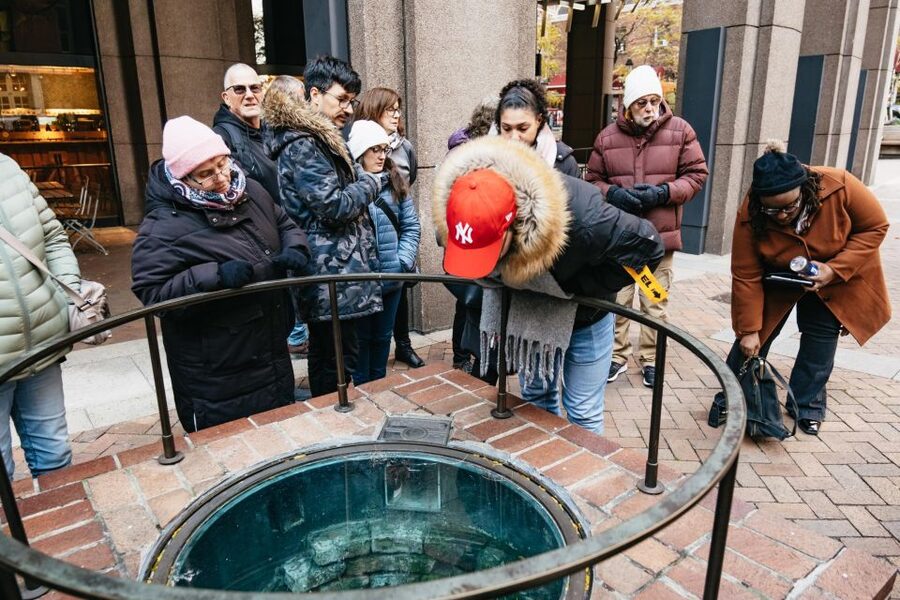
Starting at the African Burial Ground National Memorial
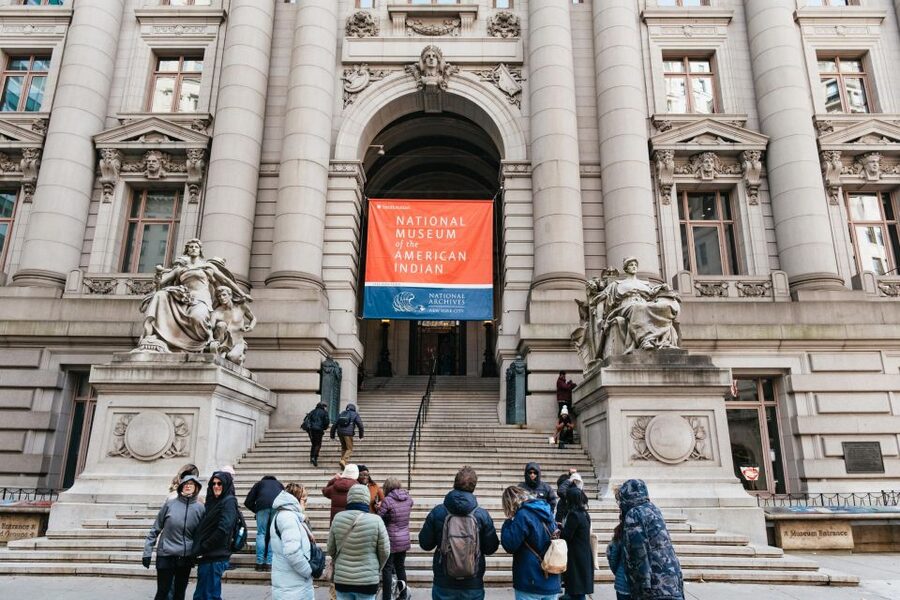
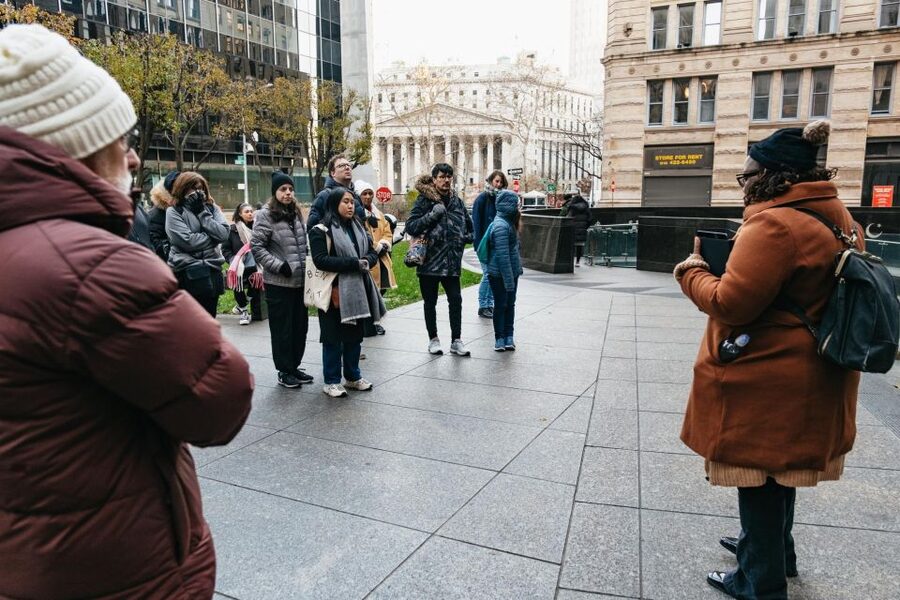
The tour meets in front of the American Indian Museum, then moves to an archaeological site and memorial dedicated to enslaved Africans in colonial America. The African Burial Ground National Memorial is the emotional anchor of the walk.
Beginning here is a wise choice. It places the lives and deaths of enslaved people at the center before the route reaches more familiar monuments and commercial streets. The memorial honors people who were buried in a cemetery used by New York’s early African community. The stop gives you time to think about who lived in the city, who worked there, and who was excluded from the official stories later attached to its buildings.
Do not expect a long museum visit as part of the tour. The experience is a guided walk, and the guide supplies the interpretation while you move through the area. That makes the memorial a starting point for the wider story rather than a full indoor attraction.
This opening stop also helps explain why archaeology matters. Physical evidence can restore names, lives, and presence to people whose experiences were ignored or poorly recorded. You are not only hearing about an abstract institution. You are standing at a place connected to real people who lived and died in New York.
Fraunces Tavern and the city’s colonial foundations
From there, the route takes you toward historic Lower Manhattan, including Fraunces Tavern. The building is famous for its connection to the Revolutionary era, but this tour uses it to widen the picture of colonial New York.
You will learn how African Americans shaped the city from its earliest days and how slavery was tied to the growth of New Amsterdam and later New York. The exact stories shared can vary by guide, but the purpose is consistent: to show that Black New Yorkers were present in the city’s formation, not added to its story at a later date.
Fraunces Tavern is a useful stop because it sits in the middle of a familiar patriotic narrative. A conventional sightseeing tour might focus on military leaders and political events. Here, you are encouraged to ask who cooked, carried, built, cleaned, served, traded, and struggled within that society.
The route also gives the guide room to discuss other New York subjects on the way between stops. That matters because the walk is not a string of isolated monuments. You get a developing account of the city, with streets and buildings acting as prompts for stories about power, labor, race, and freedom.
Trinity Church and Wall Street through a wider lens
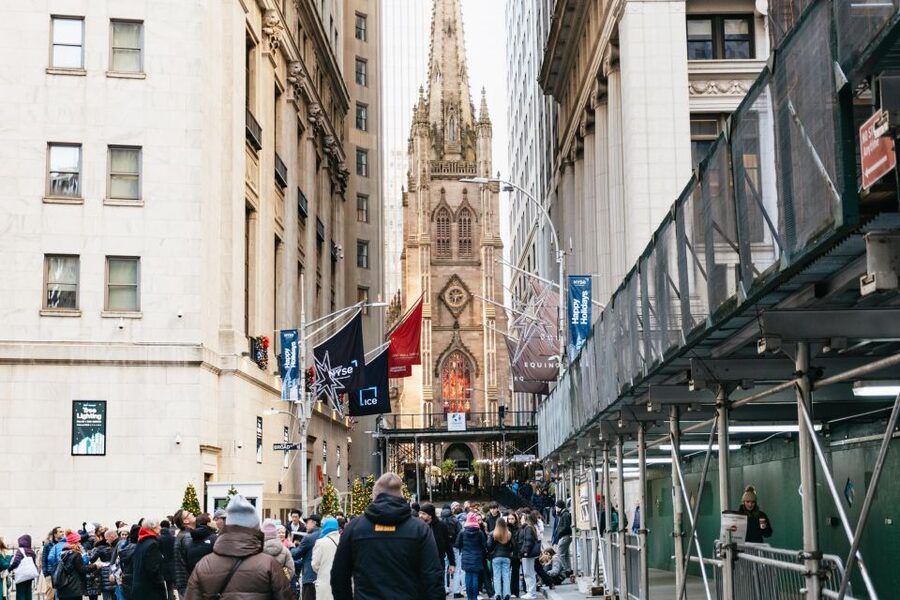
Trinity Church and Wall Street bring the tour into the heart of New York’s financial and civic identity. These are places many people photograph without considering their connection to slavery and early Black life.
The guide explains how the economy of the city developed and how enslaved labor formed part of that story. You will also hear about the revolts, kidnappings, and other dangers that shaped the lives of enslaved people. The value of this section is the contrast between the grand public image of Lower Manhattan and the personal cost behind its growth.
Wall Street can be noisy and crowded, so this is not the sort of tour where you should expect silence or long periods of private reflection. The reward is seeing the district while the guide supplies a layer of meaning that is easy to miss on your own.
Trinity Church adds another historic setting and helps place the story in a city of institutions, wealth, and religious power. The guide connects the surroundings to the people who challenged slavery and to the systems that protected it. If you enjoy tours that question the official version of a famous place, this part should hold your attention.
Same rock, a different way in:
- Best Niagara Falls US Tour W/Boat Ride, Cave & More Wonders!
★ 5.0 · 8,372 reviews - Half-Day Emerald Cave Kayak Tour with Optional Hotel Pickup
★ 5.0 · 4,978 reviews - Niagara Falls USA: Maid of the Mist & Cave Adventure
★ 5.0 · 3,924 reviews - New York Catacombs by Candlelight
★ 4.5 · 2,863 reviews
How the Underground Railroad actually worked
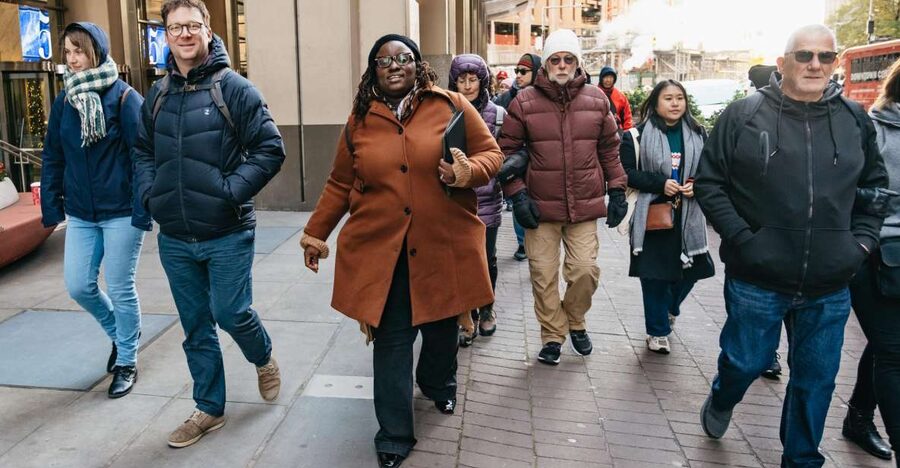
The Underground Railroad was not a literal railroad, and this tour makes clear how the network operated. You will learn about clandestine routes, safe houses, trusted contacts, and the movement of enslaved African Americans toward free states and Canada.
The important point is that escape depended on people. Someone needed to offer shelter, provide food, share directions, arrange transport, or take the risk of hiding a person who was being pursued. The network had no single headquarters and no simple map. It relied on secrecy, courage, and quick decisions.
The tour visits former locations connected with the Underground Railroad and explains how these places functioned within the larger network. The buildings may look ordinary today. That is part of the lesson. A safe house did not need to look dramatic. Its value came from the people willing to use a home, business, church, or other location to help someone reach safety.
You will also hear about New Yorkers who risked property and personal security to help people escape slavery. That keeps the story from becoming a vague tale of heroes. The guide shows the danger involved, including the possibility of kidnapping, punishment, and financial loss.
I find this section especially useful for visitors who know the phrase Underground Railroad but have never learned how it worked. The tour turns a familiar term into a network of choices and risks. It also shows that New York was connected to the national struggle over slavery, even though it was a northern city.
Revolts, abolition, and stories of resistance
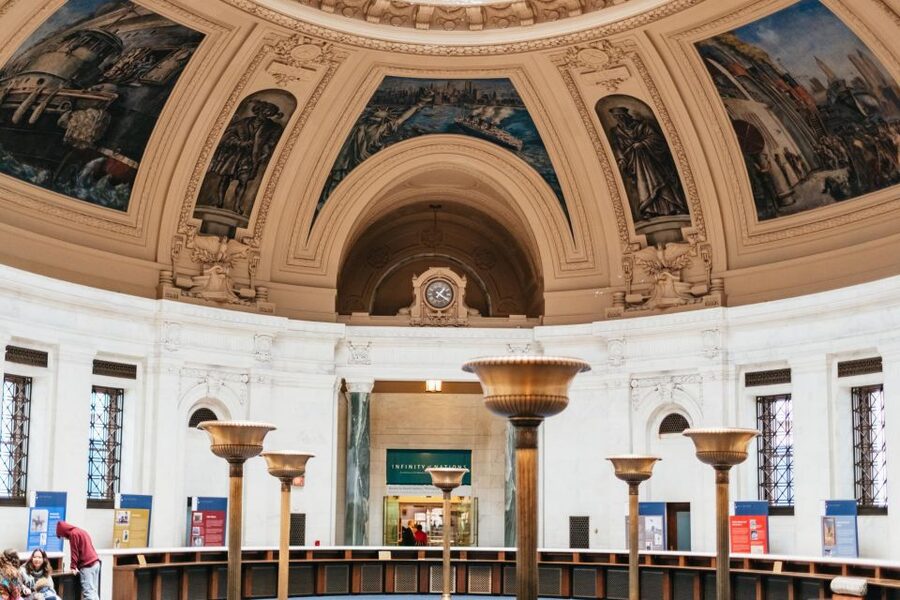
The tour does not present enslaved people only as victims. It also covers brave uprisings and acts of resistance. That balance matters. People fought back in many ways, from open revolt to escape, refusal, mutual aid, and helping others reach freedom.
The stories of abolition add another layer. You will hear about real New Yorkers who challenged slavery and assisted people fleeing bondage. Their actions were not always safe or popular, and the guide explains the tension between public ideals and private conduct.
This can be a challenging part of the walk. The subject includes kidnapping and the threat of people being captured and forced back into slavery. If you prefer light entertainment on a vacation, this is not the right activity. If you want a clearer understanding of how freedom was pursued and defended, the difficult material is exactly why the tour has value.
Past guides have been praised for treating the subject with grace and empathy, while still asking direct questions about the role that ordinary people and their ancestors played in the slave trade. The tone is serious, but it is not meant to shut down discussion. You should have a chance to ask questions, including awkward ones, and receive a thoughtful answer.
The guide makes or breaks this 150-minute walk
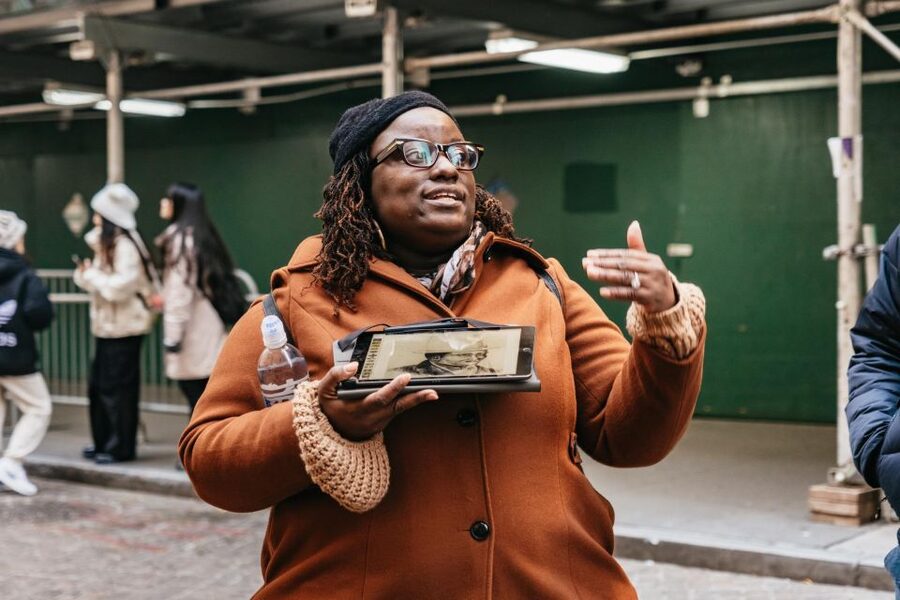
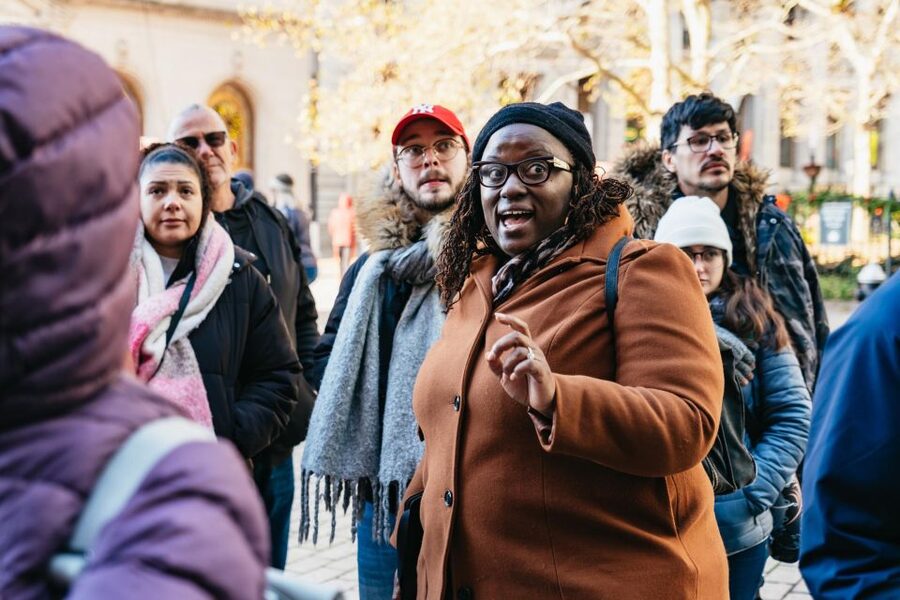
A history walk depends heavily on the person leading it. Here, the guide is the main source of detail, explanation, and connection between the stops.
Names associated with past tours include Maia, Maya, Ludie, Sean, Shaun, and Loudy. The feedback consistently singles out guides for clear delivery, enthusiasm, patience, and the ability to answer questions. One small-group walk had only three people, which made the discussion feel especially personal, though group size can vary.
The best guides do more than recite information. They ask questions that make you examine the streets around you. They also keep the pace moving with extra stories between the main stops, so the walk does not feel like a series of lectures.
The tour is in English. If you need a guide in another language, this experience will not meet that need. The guide’s style may also vary, so you should book this for the subject and route rather than expecting a particular named guide on your date.
Walking pace, weather, and practical comfort
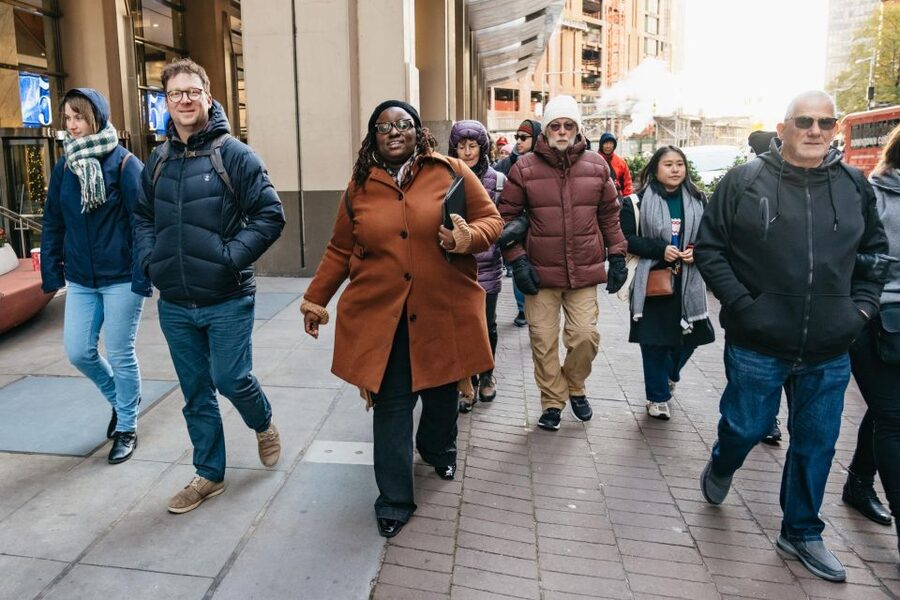
The activity lasts 150 minutes and takes place on foot. One useful point from the tour description is that the walk is substantial but not excessive. You should still wear comfortable shoes, especially because the route includes several stops across Lower Manhattan.
There is no hotel pickup or drop-off. You need to reach the meeting point in front of the American Indian Museum on your own. Build in a little extra time so you are not rushing into a serious tour after navigating the area.
Weather matters. Much of the experience takes place outdoors, so wear suitable clothing and prepare for rain, heat, or cold as appropriate. A past tour continued successfully in rainy weather because the guide delivered much of the information in sheltered spots, but you should not rely on perfect cover.
This is not mainly a walking workout. The guide stops to explain sites, and the purpose is learning rather than covering a large number of miles. Still, anyone who has difficulty standing or walking for two and a half hours should consider the physical demands before booking.
Is $49 a fair price?
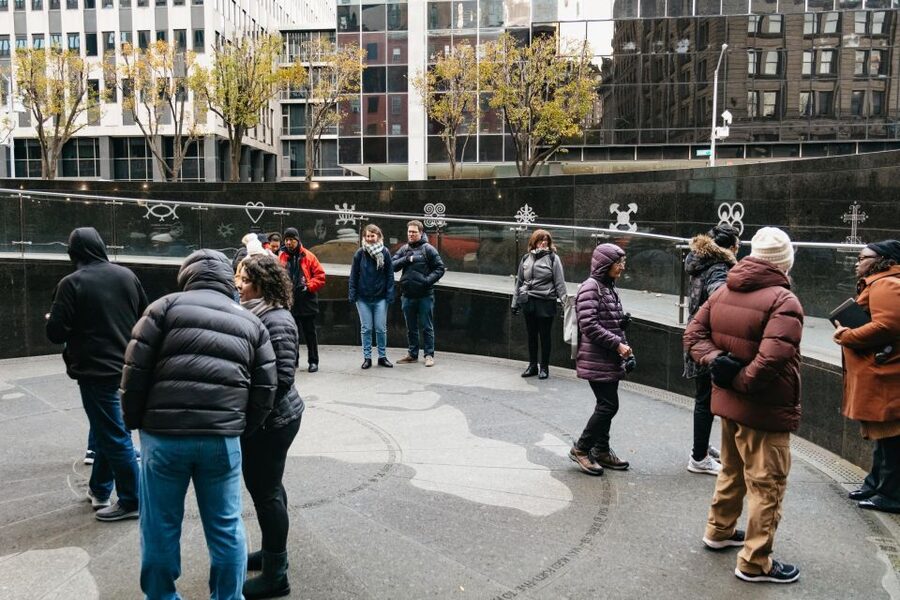
At $49 per person, the tour sits in the middle range for a guided New York activity. You are paying for a 150-minute walk with a licensed New York tour guide, not for admission to a large attraction or a private tour.
The value depends on what you want. If you would otherwise pass these sites without understanding their connection to slavery and Black New York, the guide adds something you cannot get from photographs alone. You are also getting several major locations in one focused route, including the African Burial Ground National Memorial, Fraunces Tavern, Trinity Church, Wall Street, and Underground Railroad sites.
The price is less compelling if you already have a strong grasp of New York’s early African American history and mainly want free time to explore the financial district. You could see the exterior of several landmarks on your own, but you would miss the connected explanation and the stories of resistance, escape, and abolition.
Flexible booking helps. You can reserve now and pay later, and cancellation is free up to 24 hours before the tour for a full refund. Those terms are useful when your New York schedule is still changing.
Who should book this experience?
I would recommend this walk to first-time visitors who want more than the usual New York checklist, as well as longtime residents who want to understand the city more honestly. It suits history students, families with older children, educators, and anyone interested in slavery, abolition, or the Underground Railroad.
It is also a good choice for people who enjoy asking questions. Several guides have been praised for welcoming discussion and handling difficult subjects without avoiding them. If you want a quiet, self-directed stroll, choose a different activity.
Give yourself mental space after the tour. The route covers painful events as well as courage and achievement. You may want to continue exploring Lower Manhattan afterward, but you may also prefer a slower break before another major attraction.
Should you book the Lower Manhattan history walk?
Yes, if you want a focused and thoughtful way to learn how African Americans helped shape New York from the colonial period through the struggle for abolition. The route links major sights with stories of enslaved people, resistance, safe houses, and the risks taken by those who helped others escape.
Book it knowing that the experience is serious, outdoors, and guide dependent. Wear good shoes, dress for the weather, and arrive ready to listen. At $49, it offers solid value for anyone who wants the city’s famous streets to carry more meaning.
FAQ
How long does the tour last?
The walking tour lasts 150 minutes, or two and a half hours.
Where does the tour meet?
The meeting point is in front of the American Indian Museum.
What language is the tour offered in?
The tour is conducted in English with a live English-speaking guide.
Which sights are included?
The route includes the African Burial Ground National Memorial, Fraunces Tavern, Trinity Church, Wall Street, former Underground Railroad locations, and other significant sites in Lower Manhattan.
Does the tour include hotel pickup?
No. Hotel pickup and drop-off are not included.
What should I bring?
Bring comfortable shoes and clothing suitable for the weather, since the experience is an outdoor walking tour.
Can I cancel the booking?
Yes. You can cancel up to 24 hours in advance for a full refund. You can also reserve now and pay later.
Newly added caves around the USA
- Niagara Falls Walking Tour with Maid of the Mist & Cave★ 4.1 · 24 reviews
- Niagra Falls, USA Side: Boat, Cave and Shuttle pass Tour★ 4.6 · 653 reviews
- Niagara Falls, USA: Maid of Mist & Cave of Winds Combo Tour★ 4.7 · 443 reviews
- Niagara Falls, USA: Guided Tour With Boat, Cave & More★ 4.5 · 239 reviews
- Niagara Falls USA: Cave of the Winds & Maid of the Mist Ride★ 4.8 · 550 reviews
- New York City: Catacombs by Candlelight★ 4.4 · 536 reviews
- Nā Pali Coast Zodiac Raft Sea Caves Expedition on Kauai★ 4.6 · 15 reviews
- Las Vegas: Colorado River to Emerald Cave Half-Day Kayak★ 4.9 · 241 reviews
USA Cave Tours worth comparing.

Half-Day Emerald Cave Kayak Tour with Optional Hotel Pickup
Read our review →

Emerald Cave Kayak Tour: Scenic Paddle with Optional Shuttle
Read our review →


Emerald Cave Express Kayak Tour with Scenic & Historic Stops
Read our review →
Kona Snorkel Tour: Captain Cook Reef Snorkel, Dolphin & Sea Caves
Read our review →Lists this cave tour appears in