
Review · ITALY
Rome: Catacomb of St. Callixtus and Appian Way Guided Tour
The most striking part of this outing is the change of setting. In a single morning, you move from Rome’s traffic to the quiet Appian Way, then below ground into the burial tunnels of the Catacombs of St. Callixtus. The Crypt of the Popes and the early Christian drawings give the ancient city a very different face from the Colosseum or Vatican.
I like the combination of places, especially the chance to walk on an old section of the Appian Way and then see the huge aqueduct arches in open countryside. I also like the small-group feel, the comfortable minibus transport, and guides such as Catia, Marije, Francesca, and Lara, who have been praised for making the history clear and lively.
The main drawback is physical. The catacombs require stairs and narrow underground passages, and the outdoor sections involve walking on old, uneven surfaces. You also cannot take photographs inside, and the tour is not suitable for wheelchair users or anyone with severe claustrophobia.
Key points at a glance
- St. Callixtus Catacombs: Walk through ancient underground burial chambers and see the Crypt of the Popes and early Christian art.
- The original Appian Way: Step onto one of Rome’s oldest roads and picture the traffic, soldiers, and pilgrims who once used it.
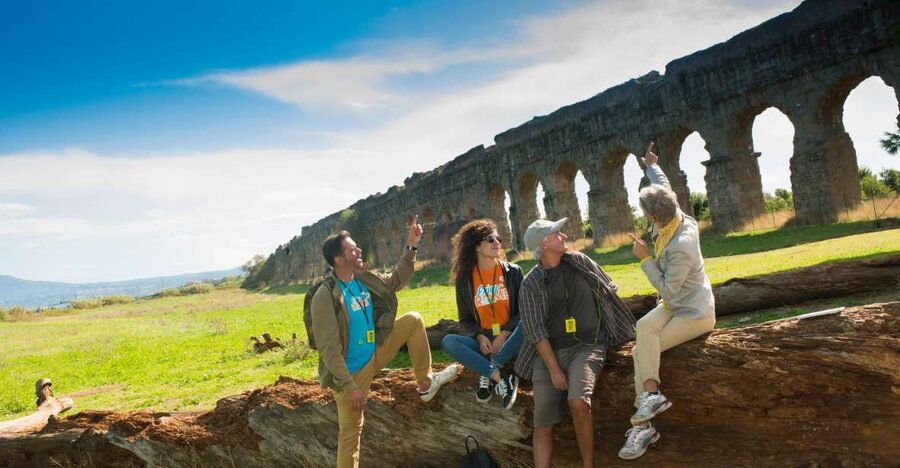
- Aqueduct Park: See Roman engineering on a grand scale, with a peaceful walk beneath ancient arches.
- A useful escape from central Rome: The route gets you away from the crowds around the Colosseum and Vatican.
- Transport between scattered sights: A minibus handles the connections, leaving you more time and energy for the sites.
- Bring the right clothes: Shorts, short skirts, and sleeveless tops are not permitted at the catacombs.
Why this Rome outing feels different
Rome can fill every hour with famous ruins, busy piazzas, and long walks between major sights. This excursion gives you a calmer half-day beyond the old city center, where the attractions are spread along the ancient road south of Rome.
The three-hour route works because each stop offers a different kind of history. Underground, you see how ordinary Christians were buried. Outside, you walk along a road built for the Roman world’s largest empire. At the aqueducts, you see the practical side of Roman power: water carried over long distances by carefully measured channels and massive arches.
I would not book this as your only history tour in Rome. It does not replace the Colosseum, Roman Forum, or Vatican Museums. But after a day or two of crowded central sights, I find this a welcome change of pace. The open air, quieter roads, and countryside setting help you understand that ancient Rome was much larger than the monuments in the center.
The tour is conducted in English and includes headsets. That matters when the guide is explaining details while the group is spread along a road or path. Guides have also been praised for adding useful advice about other Roman sights and restaurants, which can make the outing helpful beyond its scheduled stops.
More Catacombs and Underground City Tours in Italy
- Naples: Catacombs of San Gennaro Entry Ticket & Guided Tour
★ 4.6 · 7,941 reviews - Rome: Capuchin Crypts and Catacombs Tour with Transfers
★ 4.6 · 6,456 reviews - The Original Roman Crypts and Catacombs Tour with Transfers
★ 4.5 · 4,896 reviews
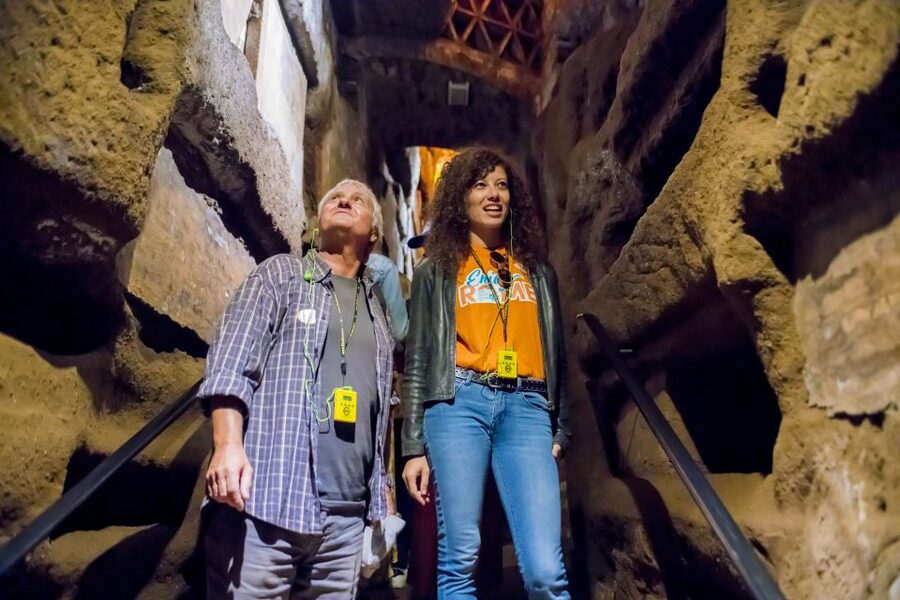
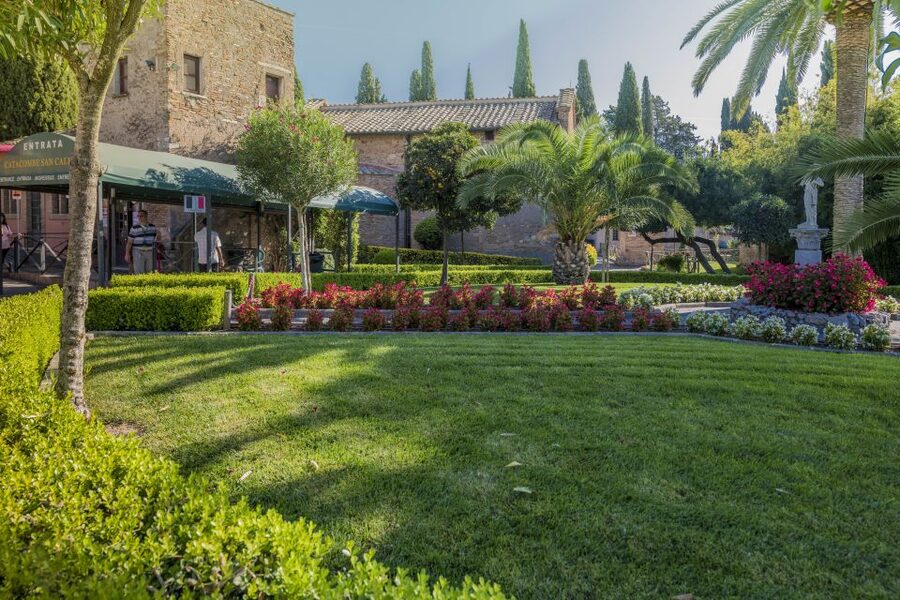
Entering the Catacombs of St. Callixtus
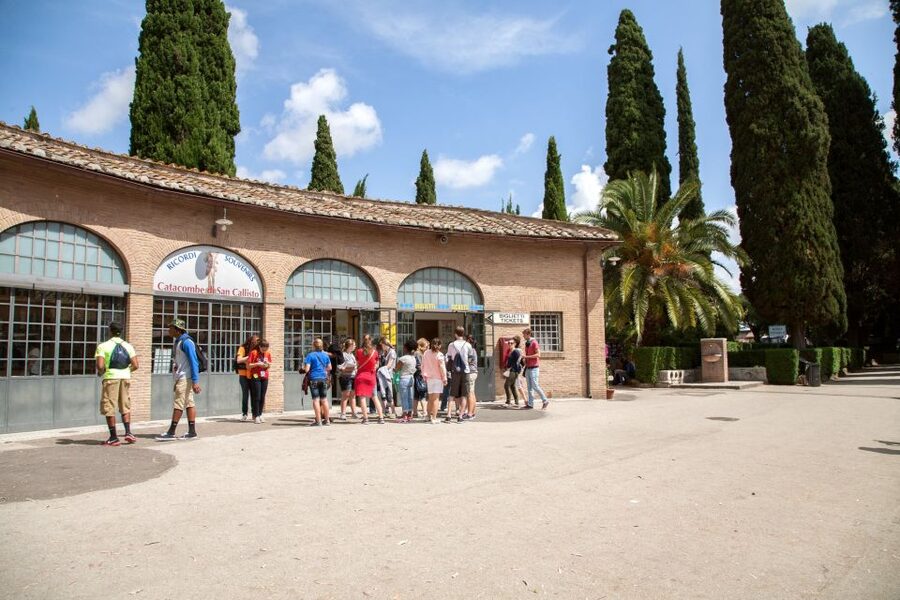
The Catacombs of St. Callixtus are the heart of the experience. These underground burial chambers were cut into the soft tufa rock around Rome from roughly the second through fifth centuries, when Christianity was growing and many families could not afford large above-ground tombs.
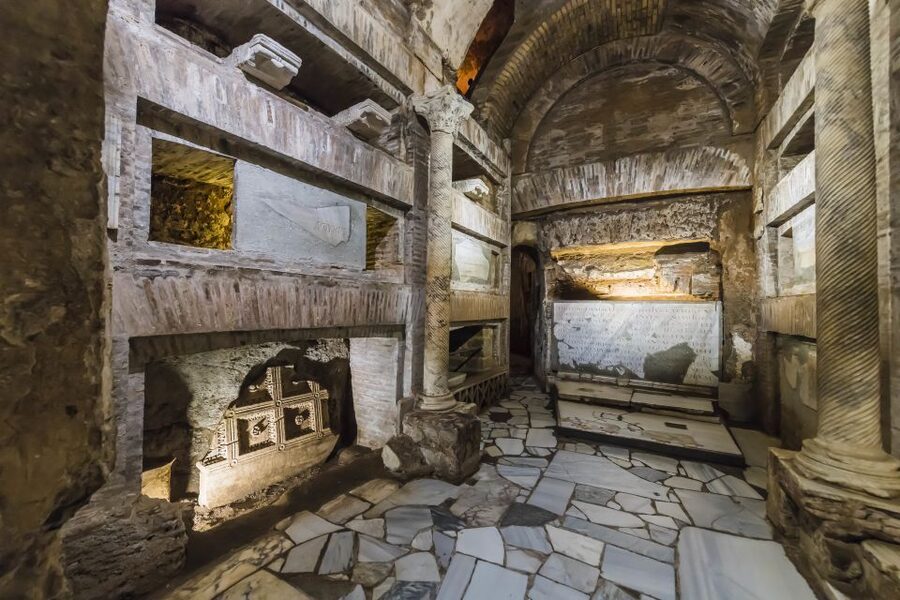
Instead of one grand mausoleum, the catacombs offered a way to bury large numbers of people in an organized setting. The tunnels run through several levels, with burial niches cut into the walls. You may see sarcophagi, simple religious marks, mosaics, and drawings connected with the first centuries of Christian worship.
This is not a theatrical attraction. The power comes from the plainness of the place. You are looking at the practical burial system of a community that lived under Roman rule and gradually became more visible and influential. The narrow passageways also make the scale hard to grasp. The catacomb complexes around Rome cover a huge underground network, though only a small number are regularly open to the public.
At St. Callixtus, the Crypt of the Popes is a major focus. Several early church leaders were buried there, and the space helps explain why this catacomb became so important to Christian history. The tour also includes some of the earliest examples of Christian art, so pay attention to the guide’s explanation rather than expecting a long stop for independent viewing.
You cannot take photographs in the catacombs. That may disappoint you if you like to document every stop, but it also keeps the visit quiet and focused. I recommend thinking of this as a place for careful looking and listening, not for collecting pictures.
The catacombs are underground, cool, and enclosed. That can be a relief on a hot Roman day, but it can also feel tight. If narrow corridors or confined spaces make you uncomfortable, skip this outing or choose a different Rome tour. The physical setting is not a minor detail here.
What you see in the burial tunnels
The burial niches are perhaps the clearest reminder that the catacombs were working cemeteries, not just sacred monuments. Many are modest, and the arrangement shows how practical the early Christian burial system had to be.
The religious drawings and symbols offer a glimpse into early Christian belief. The art is not presented in the polished form of a Renaissance chapel. It is older, simpler, and closely tied to burial and faith. I find that this makes the stop feel more personal than a visit to a grand church filled with later decoration.
A separate guide working at the catacombs leads the underground portion, while the main tour guide handles the wider outing. This arrangement is useful because the catacomb guide can focus on the site itself. Previous tours have included clear English explanations, an important point when the subject matter is detailed and the tunnels can make it hard to hear.
Expect stairs and some walking. The tour is not wheelchair accessible, and one person who used a cane found the visit possible but noted the steps. Your comfort level with stairs should guide your decision.
Cecilia Metella and the old Appian Way
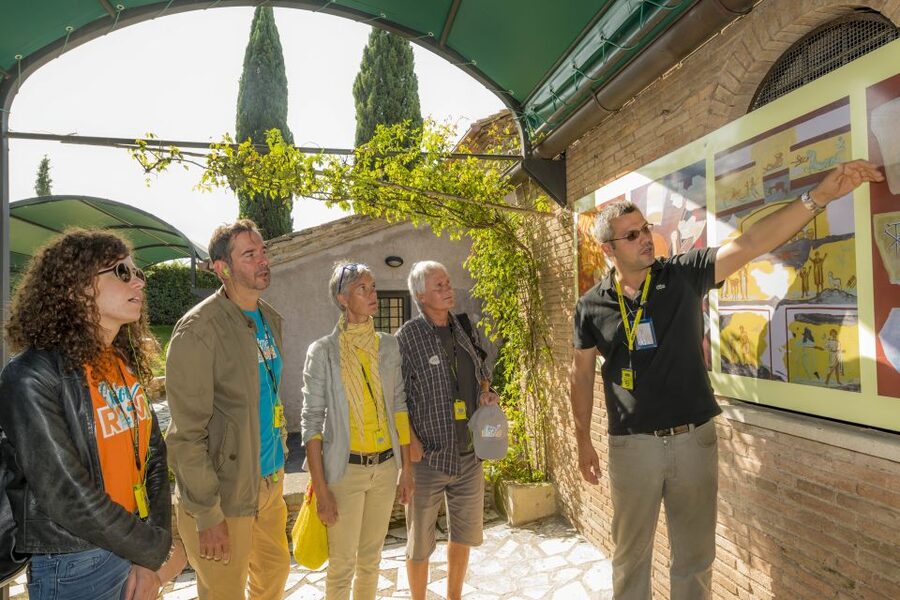
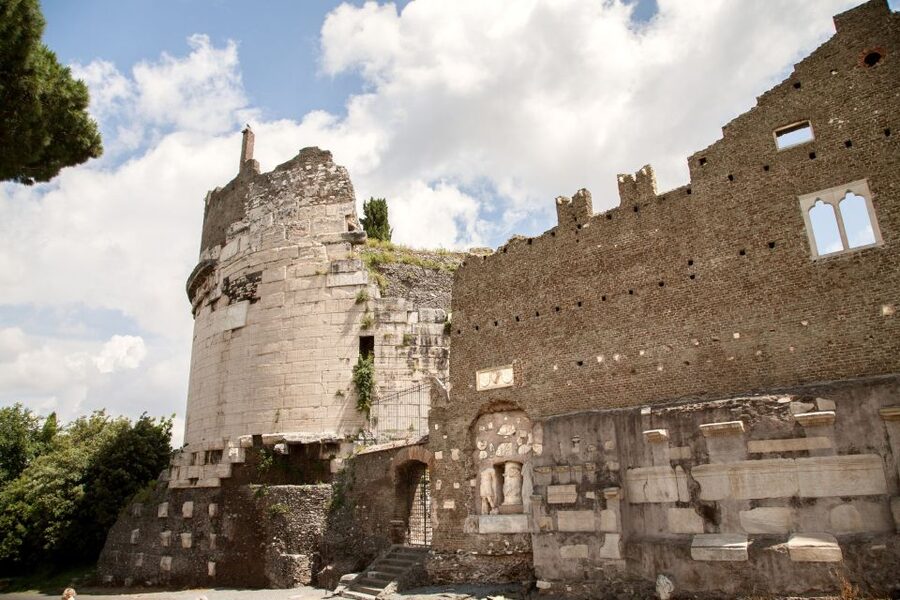
After the catacombs, the minibus continues toward the Appian Way. You see the exterior of the Mausoleum of Cecilia Metella, a large ancient tomb beside the road. The tour does not promise an interior visit, so think of this stop as a chance to understand how important Romans marked their burial places along major roads.
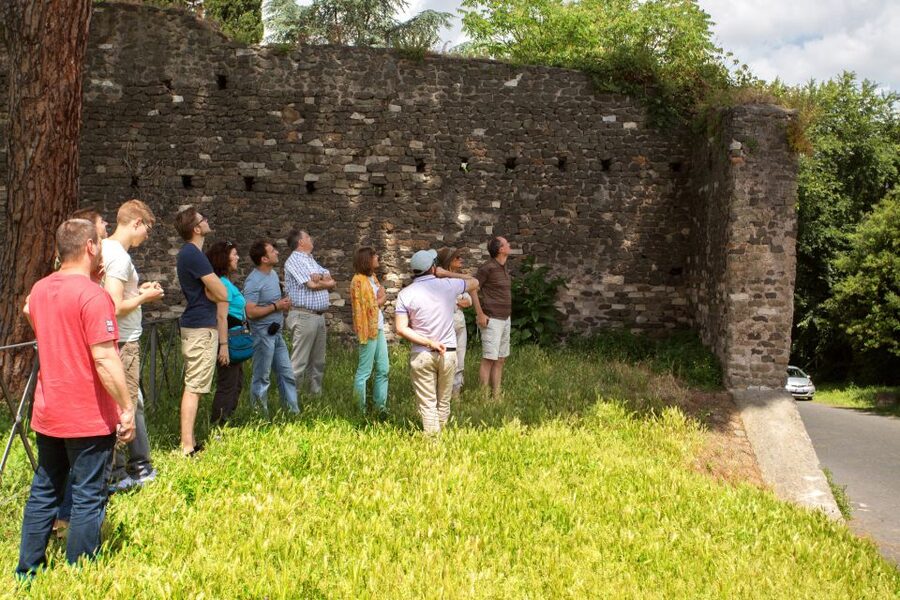
The Appian Way was one of Rome’s great roads, and a short walk on its old stones gives you a direct physical link to ancient transport. You are not just looking at a road behind a barrier. You are walking on part of the route itself, though the surface can be uneven and the exact walking distance may vary with the group and weather.
This section is one of the best reasons to choose the tour. Rome’s center is packed with monuments, but the Appian Way gives you space to picture the wider Roman system. The road carried people, goods, officials, and armies. The guide may also connect the route with other events and places in Roman history as you walk.
Do not expect a long hike across the countryside. The tour spends only part of its three hours on foot, with transport between locations. That makes it manageable after several days of sightseeing, but it also means you get an introduction rather than a full-day walk along the Appian Way.
Weather matters here. On a warm, sunny day, the road and surrounding countryside can be a welcome break from stone streets. In cold rain, the walk is less inviting. One previous group had people remain on the bus while others walked, so ask the guide about the current conditions if the weather is poor.
Same rock, a different way in:
- Naples: Naples Underground Entry Ticket and Guided Tour
★ 4.4 · 21,781 reviews - Colosseum: Underground and Ancient Rome Tour
★ 4.7 · 12,691 reviews - Matera: Sassi Tour with Cave House and Rupestrian Church
★ 4.7 · 6,618 reviews - Naples: Spanish Quarters Underground Guided Tour
★ 4.8 · 5,064 reviews
Roman aqueducts in an open park
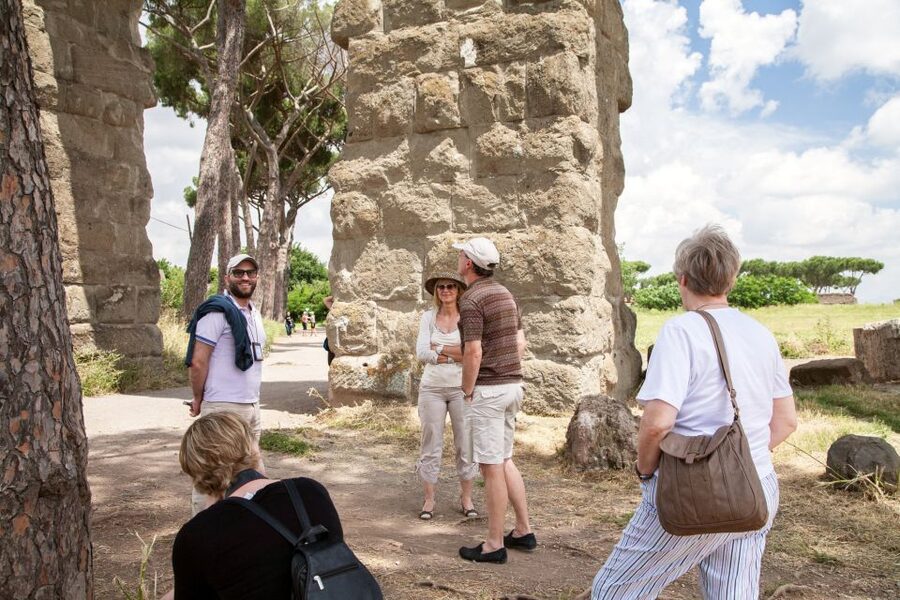
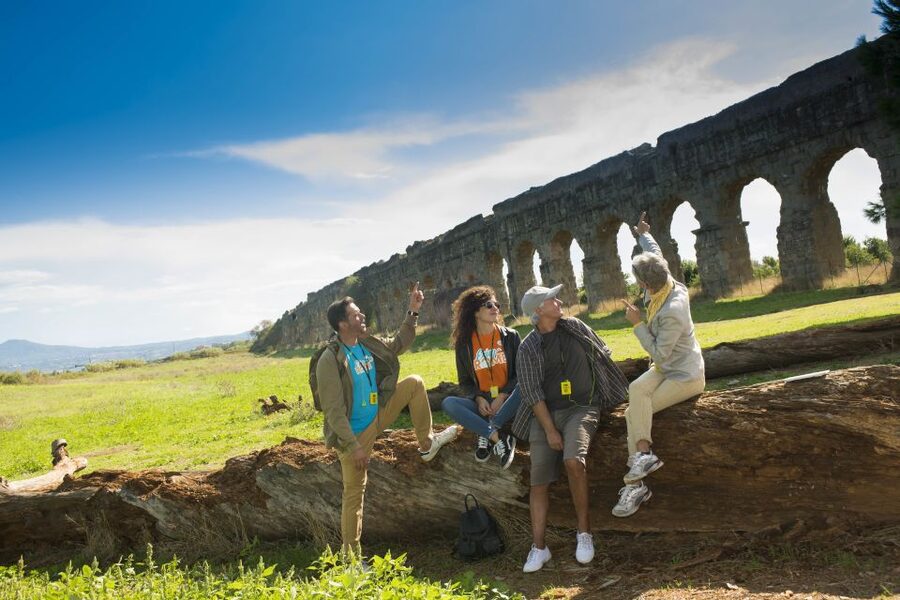
The final major stop is the park containing the ancient aqueducts. Here, the mood changes again. You leave the enclosed catacomb and walk through open space beneath or near the tall arches.
The aqueducts show a different kind of Roman achievement from the tombs and roads. They were built to move water across long distances, using a steady gradient and carefully planned construction. Their scale is impressive even before you know the engineering details, but the guide’s explanation helps you see why the arches were needed and how they fit into the city’s water supply.
I especially like this part for the contrast. You have spent time below ground among burial chambers, then walked an ancient road, and now you are looking up at huge structures built for public utility. It is a simple reminder that Roman power depended not only on emperors and temples, but also on roads, water, and infrastructure.
The aqueduct park is also the quietest part of the route. Several people have valued the chance to get away from Rome’s crowds and enjoy a peaceful walk. You may have time for photographs here, unlike in the catacombs, and the open views make this a good place to pause.
The walk is not completely effortless. Paths may be uneven, and you should wear firm walking shoes. Still, the outdoor sections are usually less demanding than a full day spent crossing central Rome on foot.
The minibus ride and group experience
Transport is included from the meeting point near Via Cavour 224, close to the Cavour Metro station on Line B. You need to arrive 25 minutes before departure. Hotel pickup is not included, so allow time to reach the meeting point from your accommodation.
The drive is not just dead time. A good guide may point out sights along the way and explain how the ancient road network fits into modern Rome. Guides including Catia, Marije, Francesca, and Lara have been praised for adding stories and practical suggestions during the rides, not only at the official stops.
The vehicles are generally small and comfortable, with air conditioning noted on some outings. The tradeoff is visibility. One person found the windows on the smaller vans poor for looking out, and a higher bus would have offered better views. If you care about seeing Rome from the road, choose a seat near a window when possible, but do not book the tour mainly for sightseeing from the vehicle.
Group size can vary. Some outings have been very small, while others have included around 14 people. A minimum of five participants is required, so the operator can reschedule or cancel if that number is not reached. You are informed in advance in that situation.
The use of headsets is helpful when the guide is walking ahead or when the group spreads out along the Appian Way. It also lets you keep looking at the ruins instead of crowding around the guide.
Is $80 good value for three hours?
At $80 per person, this is not the cheapest way to see the Appian Way area. You are paying for a guide, transport, catacomb entry, booking fees, and the convenience of combining three sites that are spread beyond central Rome.
That convenience matters. Reaching the catacombs, Appian Way, and aqueduct park independently can take planning, and public transport does not make every connection simple. The minibus also saves you from dealing with Rome traffic, route changes, and separate admission arrangements.
The value is strongest if you want context. The catacombs can feel confusing without explanation, and the aqueducts are more meaningful when someone points out what you are seeing. The guides have often added history about places passed on the road, which helps turn the ride into part of the experience.
The value is weaker if you prefer long independent visits. Three hours moves quickly, and each stop is an introduction. You will not have unlimited time at the catacombs, a full walk of the Appian Way, or an extended exploration of the aqueduct park.
I would compare the price with the cost of transport and entry fees you would pay separately, then consider how much you value a live English guide. For most first-time visitors with only a few days in Rome, the package is reasonable because it removes the hardest logistical work.
Who should book this tour?
I would choose this for anyone spending at least three days in Rome who wants a quieter outing after the major central sights. It suits people interested in archaeology, early Christianity, Roman engineering, and old roads.
It is also a good match for families who need some flexibility. A guide such as Catia has been praised for allowing breaks for children, and the minibus means you are not walking continuously between distant sites. Still, children must be comfortable with dark, narrow passages and stairs.
History-minded visitors will get the most from it, but you do not need specialist knowledge. The guides explain the setting in an approachable way, often mixing solid historical detail with stories and practical information about Rome.
I would not recommend it to wheelchair users, anyone with severe claustrophobia, or people who dislike uneven walking. Dress modestly: shorts, short skirts, and sleeveless shirts are not allowed. Women need to cover their shoulders, and skirts or trousers should fall below the knee.
Book only if you are comfortable with the possibility that the exact day may change if fewer than five people reserve. Free cancellation is available up to 24 hours before departure, and you can reserve now and pay later, which helps if your Rome schedule is still taking shape.
Should you book the St. Callixtus and Appian Way tour?
Book it if you want to see a side of Rome beyond the famous center, and if underground history interests you. The strongest parts are the catacomb art, the Crypt of the Popes, the old road surface, and the aqueducts. The route has variety, and the transport makes the scattered sites practical.
Skip it if you want a long Appian Way walk, extensive free time, or a photo-focused visit. The catacombs are narrow, photography is forbidden, and three hours gives you a well-guided introduction rather than a slow exploration.
For the right visitor, this is one of Rome’s most worthwhile half-day breaks. You get burial chambers, ancient roads, and monumental engineering in one compact outing, with enough open air to reset after the crowds of central Rome.
FAQ
Where does the tour meet?
The meeting point is at the bus stop at Via Cavour 224. The nearest Metro station is Cavour on Line B. You should arrive 25 minutes before departure.
How long does the tour last?
The scheduled duration is three hours. Some past outings lasted about three and a half hours, but you should plan around the stated three-hour duration.
Is the tour offered in English?
Yes. The tour includes a live English-speaking guide and headsets.
Can I take photographs inside the catacombs?
No. Photography is not permitted inside the Catacombs of St. Callixtus.
Is the tour suitable for wheelchair users?
No. The tour is not wheelchair accessible and includes stairs and underground passages. It is also not recommended for people with severe claustrophobia.
What clothing is required?
Shorts, short skirts, and sleeveless shirts are not permitted. Shoulders must be covered, and skirts or trousers should fall below the knee for entry into places of worship.
Newly added caves around Italy
- Perugia: Entry Ticket and Guided Tour of Perugia Underground★ 4.6 · 579 reviews
- Palermo Experience: Monreale, Catacombe e Mondello con Cibo★ 5.0 · 31 reviews
- Palermo: Boat Tour With Aperitif Snorkeling And Cave Tour★ 4.8 · 381 reviews
- Palinuro: Boat Trip along the Coast & Blue Grotto Visit★ 4.4 · 63 reviews
- Orvieto: 2-Hour Cathedral and Underground Tour★ 4.8 · 24 reviews
- Naxos: Isola Bella, Blue Grotto, & Mazzarò Bay Boat Tour★ 4.6 · 568 reviews
- Narni: Guided underground Experience★ 4.6 · 66 reviews
- Naples Top Sights & Underground small group tour★ 4.7 · 59 reviews
Italy Cave Tours worth comparing.
Naples: Naples Underground Entry Ticket and Guided Tour
Read our review →
Colosseum: Underground and Ancient Rome Tour
Read our review →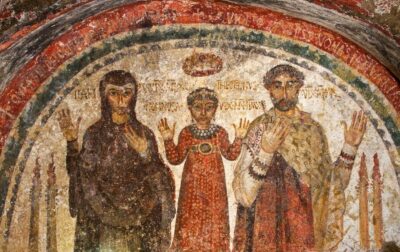
Naples: Catacombs of San Gennaro Entry Ticket & Guided Tour
Read our review →
Matera: Sassi Tour with Cave House and Rupestrian Church
Read our review →
Rome: Capuchin Crypts and Catacombs Tour with Transfers
Read our review →
Naples: Spanish Quarters Underground Guided Tour
Read our review →
Expert Guided Tour of Colosseum Arena OR Underground, and Forum
Read our review →
Lists this cave tour appears in