
Review · ITALY
Narni: Guided underground Experience
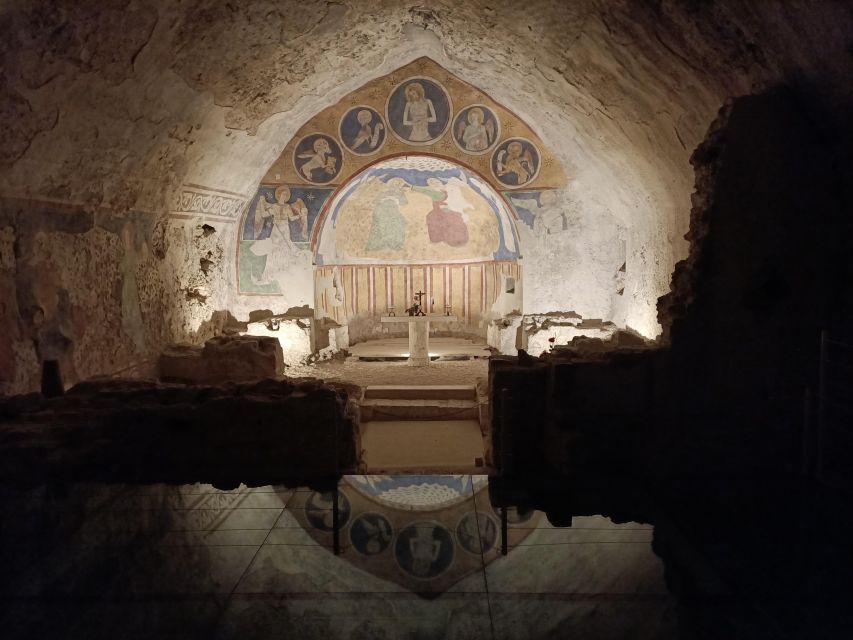
Narni’s underground tour begins in a place that feels made for a fantasy novel: a 13th-century church below a former Dominican convent, reached through an ancient underground entrance. You move from frescoes and medieval worship to Roman water tunnels, an intact prison cell, and Narni’s first cathedral above. The C.S. Lewis connection gives the setting extra storybook appeal, but the real draw is the physical evidence left behind by centuries of local life.
I like two things here. First, the tour lets you see history in layers rather than as a string of disconnected rooms. Second, the multimedia displays and aqueduct video help explain spaces that can otherwise be hard to read. The main consideration is language: the live tour is only in Italian, while other languages use an audio guide. Some visitors may also find the theatrical guide style a bit much.
Key things to know before going
- A church sits beneath the old Dominican convent: See the former worship space dedicated to Archangel Michael, with frescoes slowly emerging from limestone deposits.
- Roman Narnia appears through an interactive tunnel: A video lets you follow the engineering behind ancient aqueduct excavation without entering every narrow passage yourself.
- One Holy Office cell remains intact: Graffiti on the walls helps reveal the lives of prisoners held there.
- The upper church completes the story: Look for the Byzantine mosaic and remains linked to Narni’s first cathedral.
- Italian is the live-tour language: English, French, German, and Spanish are available through audio guides, with texts in additional languages.
- The price is modest: At $11 per person, the tour offers a lot of historical material, though the exact visit length needs attention because the booking details list one hour while the wider itinerary describes about 1.5 hours.
Starting beneath Narni’s former Dominican convent
You meet at Via S. Bernardo, 12, in Narni. The visit centers on the basement of the former Dominican convent of Santa Maria Maggiore and the upper church that served as the city’s first cathedral.
That setup matters. You are not simply viewing an underground attraction built for modern tourism. The rooms were part of working religious and civic buildings, and the tour moves through spaces that changed purpose over time. Six young Narnese cavers found the site in 1979. Since then, volunteers have cleared, repaired, and presented it for the public.
The entrance sets the tone. You go down into an ancient church rather than beginning with a broad introduction outdoors. For me, that is one of the strongest parts of the experience. Narni’s streets may give you a medieval hill-town atmosphere, but underground you see the less polished side of the past: damp walls, old stone, damaged paintings, and rooms that were reused for very different reasons.
The experience is advertised as lasting one hour, while the route description gives Narni, including the visit and walk, about 1.5 hours. Allow at least the longer amount so you are not rushing to your next plan. The exact time may depend on the format of your visit and the language support you use.
Guided tours around Italy:
- Naples: Naples Underground Entry Ticket and Guided Tour
★ 4.4 · 21,781 reviews - Naples: Catacombs of San Gennaro Entry Ticket & Guided Tour
★ 4.6 · 7,941 reviews - Naples: Spanish Quarters Underground Guided Tour
★ 4.8 · 5,064 reviews
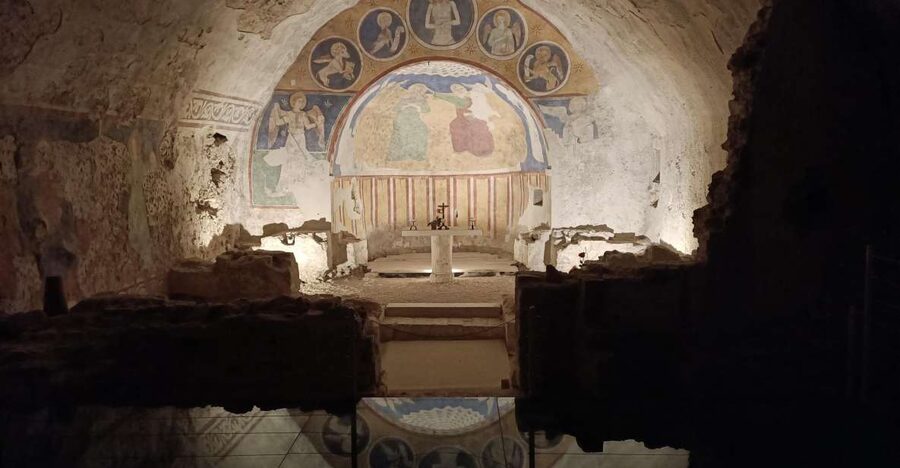
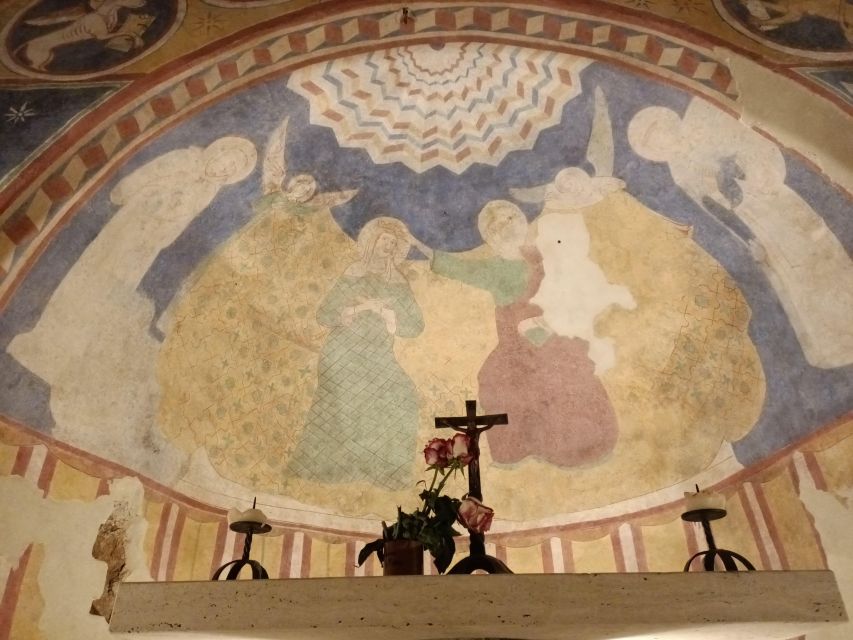
The Archangel Michael church and its damaged frescoes
The first major stop is the underground church dedicated to Archangel Michael. It was probably built over older structures and later became part of the Dominican convent around the 14th century.
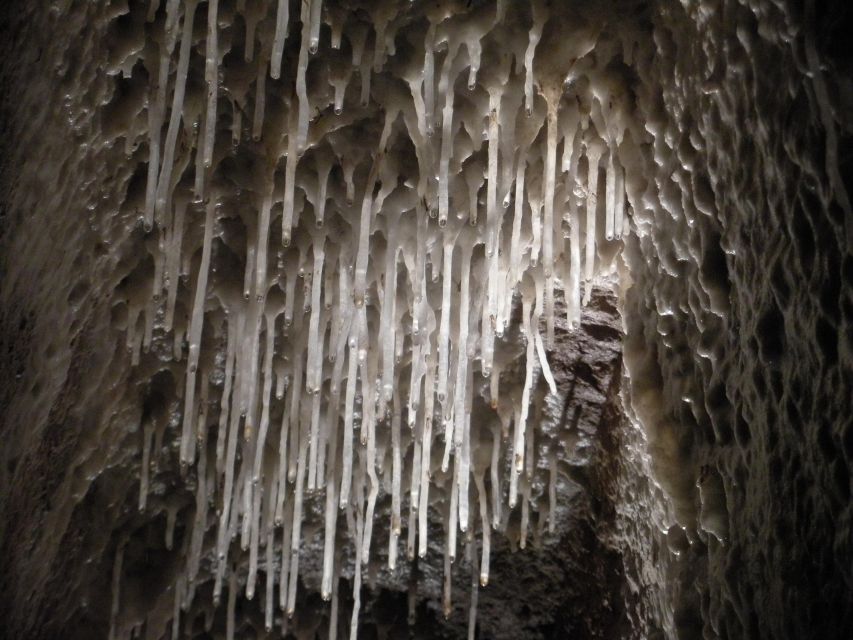
The church has had a rough life. The entire complex was looted in 1860 and damaged during World War II. Later, while the rooms were abandoned, rainwater covered many of the frescoes with limestone. Restoration is now bringing sections of those paintings back into view.
That damage gives the church much of its character. You should not expect a perfectly restored medieval interior with every image clear and complete. Instead, you see fragments, surfaces, and layers. The partly obscured paintings make the restoration process visible. It is a good reminder that preservation often means revealing just enough without pretending the past survived untouched.
A multimedia system explains the church’s different periods. This is useful because the room can otherwise seem visually confusing. You may see a wall, a painted trace, and a later alteration without knowing which came first. The presentation helps you connect those pieces.
The church was reconsecrated in 2000 under the name St. Mary of the Cliff. That name was used because the original dedication had not yet been identified. The earlier dedication to Archangel Michael is now part of the site’s recovered story.
I like this part best if you enjoy archaeology and restoration. If you prefer bright, complete interiors, the church may feel subdued. The appeal lies in the clues, not in polished decoration.
Multimedia history instead of a standard lecture
This is not a quiet walk through empty ruins. The tour uses videos and multimedia material to explain what you are seeing. That can make the history easier to follow, especially for visitors who do not already know Narni’s Roman and medieval past.
The approach also changes your role. You are shown how the rooms functioned and how the site was found, rather than being left to guess from a few labels. The presentation aims to make you part of the story, with historical episodes connected to the rooms around you.
The tone depends partly on your guide. Letizia has been singled out for expressive storytelling, strong gestures, and an ability to hold the group’s attention. That style will appeal to you if you like a guide who performs the story rather than simply reciting dates.
There is a tradeoff. One Italian-language visit was criticized for being too theatrical and for using some videos that felt unnecessary. That is useful to keep in mind. The guide’s energy can make the hour memorable, but if you want a restrained archaeological talk, the presentation may feel overdone.
The audio guide changes the experience for non-Italian speakers. You can follow in English, Spanish, French, or German, and written material is available in other languages. You will not receive the same live interaction as an Italian-speaking visitor, but you can still follow the major stages of the site.
Roman aqueducts through a virtual tunnel
In an adjoining room, an interactive video explains how Roman aqueducts were excavated in ancient Narnia. You virtually enter the tunnel and learn about the systems used to cut through the ground and carry water.
This stop is valuable because Roman engineering is easy to admire in the abstract and harder to picture in practice. A virtual passage gives you a sense of the confined work involved without requiring you to crawl through a full underground network.
The video also keeps the tour from becoming only a religious history visit. You move from church art and convent life to infrastructure that served the Roman city. That shift shows how Narni’s underground spaces preserve more than one period.
If interactive displays are not your thing, this may be the least compelling section. The video is explanatory rather than a substitute for exploring an actual aqueduct tunnel. Still, it gives useful context and breaks up the sequence of stone rooms.
Same rock, a different way in:
- Colosseum: Underground and Ancient Rome Tour
★ 4.7 · 12,691 reviews - Matera: Sassi Tour with Cave House and Rupestrian Church
★ 4.7 · 6,618 reviews - Rome: Capuchin Crypts and Catacombs Tour with Transfers
★ 4.6 · 6,456 reviews - Expert Guided Tour of Colosseum Arena OR Underground, and Forum
★ 4.5 · 5,041 reviews
The Holy Office cell and graffiti on the walls
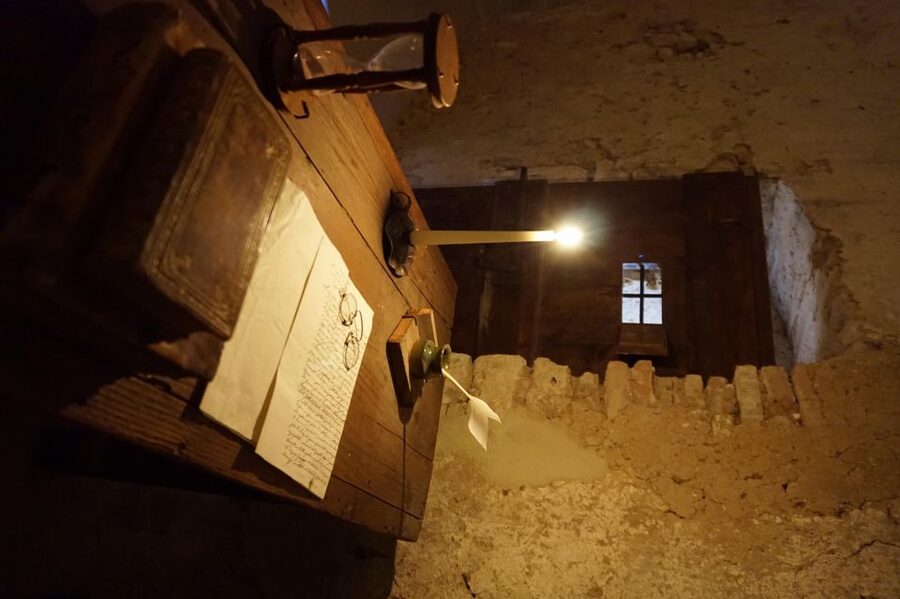
The most sobering part of the tour is the area connected with the Holy Office, established to combat heresy. One cell remains intact.
The room is narrow, and the graffiti left by prisoners is the key detail. With help from the Vatican Archives, the history of some of those prisoners has been reconstructed. Their marks on the wall turn a broad account of religious authority into something personal and immediate.
You should take your time here. The cell is not impressive because of its size or decoration. Its force comes from the fact that people were held there and left signs of their presence. The graffiti offers a direct link between the institution described by the guide and the individuals caught inside it.
This section may be uncomfortable, and that is appropriate. It is not presented as a decorative curiosity. The setting asks you to consider how religious enforcement worked at a local level and what it meant for the people imprisoned there.
The narrow space may be difficult for anyone uncomfortable in confined areas. Large bags are not allowed, which is sensible in an underground route with tight rooms. Pack lightly and leave luggage elsewhere before arriving.
The upper church and Narni’s first cathedral
The route continues upward to the upper church, identified with Narni’s first cathedral. After the low underground rooms, this change in scale helps you understand how the complex fit together.
The most important feature here is the precious Byzantine mosaic. It gives the final section a different visual language from the later frescoes below and points to Narni’s place within wider religious and artistic networks.
You will also see other remains and frescoes. The upper church helps tie the underground rooms to the city above, so the tour does not end as a disconnected visit to a basement. It returns you to the religious center that once shaped this part of Narni.
The route is described as a walk with a photo stop, visit, and guided tour. The upper church is a good place to pause for photographs, but remember that this is still an active heritage site rather than a large museum gallery. Your time in each room may be controlled by the group’s pace.
How much value do you get for $11?
At $11 per person, this is a strong-value history visit if you have an interest in archaeology, religious buildings, or unusual underground sites. The price covers access to several different types of evidence: a medieval church, restored frescoes, Roman engineering, an old prison cell, graffiti, and a Byzantine mosaic.
That range is what makes the cost worthwhile. You are not paying only to look at one underground room. The tour gives you a connected story about Narni from ancient infrastructure through medieval worship, religious authority, war damage, abandonment, and restoration.
The price is also low enough to fit easily into a day of exploring Umbria. The main value question is language. Italian speakers get a live guide, while other visitors use audio guides. If a personal guide is important to you, check the schedule for a reserved English or Spanish tour. Guided tours in English and Spanish are available for groups of at least 20 people by reservation, but the standard visit should be treated as Italian with multilingual audio support.
A card offering discounts at restaurants in Narni is included. That adds a small practical benefit if you plan to eat in town after the visit.
Who will enjoy this underground tour?
I would recommend it to you if you like:
- Archaeology that shows real damage, repair, and reuse
- Religious art and medieval architecture
- Roman water systems and engineering
- Small, atmospheric spaces
- Guided storytelling and multimedia interpretation
- Unusual stops beyond the usual Italian church visit
Families with older children may also find the underground setting and virtual aqueduct interesting, though the historical material about the Holy Office may need explanation. The C.S. Lewis reference adds a fantasy flavor for readers who enjoy imaginative settings, but this is still a serious heritage visit rather than a literary attraction.
You may want to skip it if you dislike confined rooms, prefer self-guided museums, or need full physical access. The information is contradictory on accessibility: reserved Italian guided access is described as available for wheelchair users, but the activity is also marked as unsuitable for people with mobility impairments. Contact the site directly before booking if you use a wheelchair or have difficulty with stairs, narrow passages, or uneven surfaces.
Language, timing, and practical planning
The meeting point is Via S. Bernardo, 12. There is a separate entrance for booked visitors, which can help you avoid waiting in the regular line.
Large bags and luggage are not allowed. Bring only what you need for the visit. Food and drinks are not included, and there is no hotel pickup or drop-off, so plan your own way to Narni and your own meal.
The booking information gives a one-hour duration and also describes a 1.5-hour visit around Narni. Check the available starting time and keep a little extra room in your day. The underground church, multimedia sections, Holy Office cell, and upper church are worth seeing without watching the clock.
Cancellation is flexible up to 24 hours before the start time for a full refund. You can also reserve and pay later, which helps if your Umbrian plans are still shifting.
The average rating is 4.6 from 66 reviews, and the strongest praise centers on the guides’ ability to tell the story with energy. Pelliccia described a young, friendly guide, while Alessandro praised Letizia’s expressive delivery. Sara also valued the enthusiasm and involvement of the guide. Those comments point to the experience’s greatest strength: a good guide can turn a complicated set of rooms into a clear human story.
The one recurring caution is style. If you want a measured, academic presentation, you may prefer the audio guide or a reserved language-specific tour. If you enjoy animated storytelling, the live Italian visit may be the most engaging option.
Should you book Narni Underground?
Book this tour if you want a short, inexpensive way to see a side of Umbria that is easy to miss from street level. The underground church, prison cell, and Roman aqueduct presentation give the visit real variety, and the upper church adds a strong finish.
I would make it a priority for history-minded visitors and anyone drawn to atmospheric places with visible layers of use and damage. Italian speakers get the fullest guide experience, while English, French, German, and Spanish speakers can follow with audio support.
Skip it only if narrow spaces, stairs, or theatrical guiding would spoil the visit for you. For most others, $11 buys a thoughtful hour, or possibly 1.5 hours, in one of Narni’s most unusual historic sites.
FAQ
Where does the Narni Underground experience begin?
The starting location is Via S. Bernardo, 12, in Narni.
How long does the experience last?
The activity information gives a duration of one hour. The itinerary describes the visit, walk, and photo stop as lasting about 1.5 hours, so allow extra time.
Is the guided tour available in English?
The live guided visit is only in Italian. Audio guides are available in English, French, German, and Spanish.
Can I book a guided tour in English or Spanish?
Guided tours in English and Spanish are available by reservation for groups of at least 20 people. The standard visit uses an Italian guide with audio support in other languages.
What does the tour include?
It includes reserved access, a guided visit in Italian, multilingual audio guides, texts in other languages, and a card offering discounts at restaurants in Narni.
Are food, drinks, or hotel transfers included?
No. Food and drinks are not included, and hotel pickup and drop-off are not provided.
Can I bring luggage or a large bag?
No. Luggage and large bags are not allowed inside the experience.
Is the tour suitable for people with mobility impairments?
The information is mixed. Reserved Italian guided access is described as available for wheelchair users, but the activity is also marked as unsuitable for people with mobility impairments. Contact the provider before booking to confirm whether the route meets your needs.
Newly added caves around Italy
- Perugia: Entry Ticket and Guided Tour of Perugia Underground★ 4.6 · 579 reviews
- Palermo Experience: Monreale, Catacombe e Mondello con Cibo★ 5.0 · 31 reviews
- Palermo: Boat Tour With Aperitif Snorkeling And Cave Tour★ 4.8 · 381 reviews
- Palinuro: Boat Trip along the Coast & Blue Grotto Visit★ 4.4 · 63 reviews
- Orvieto: 2-Hour Cathedral and Underground Tour★ 4.8 · 24 reviews
- Naxos: Isola Bella, Blue Grotto, & Mazzarò Bay Boat Tour★ 4.6 · 568 reviews
- Naples Top Sights & Underground small group tour★ 4.7 · 59 reviews
- Naples: City Walking Tour w/ Underground Roman Ruins Ticket★ 4.6 · 284 reviews
Italy Cave Tours worth comparing.
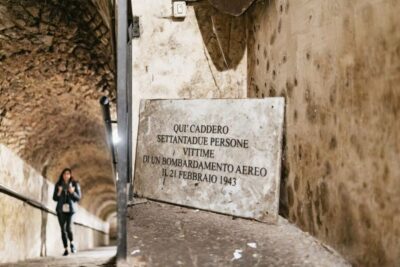
Naples: Naples Underground Entry Ticket and Guided Tour
Read our review →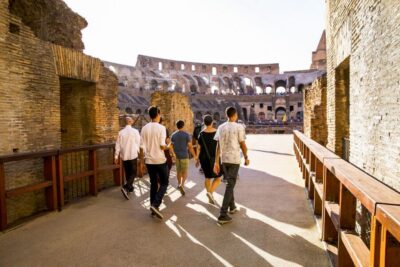
Colosseum: Underground and Ancient Rome Tour
Read our review →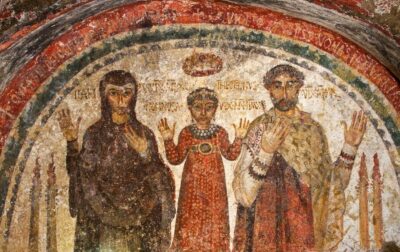
Naples: Catacombs of San Gennaro Entry Ticket & Guided Tour
Read our review →
Matera: Sassi Tour with Cave House and Rupestrian Church
Read our review →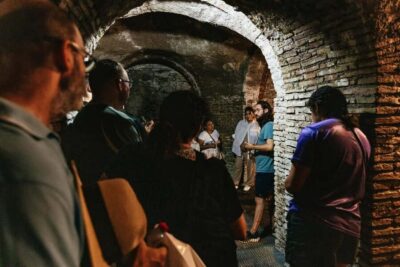
Rome: Capuchin Crypts and Catacombs Tour with Transfers
Read our review →
Naples: Spanish Quarters Underground Guided Tour
Read our review →
Expert Guided Tour of Colosseum Arena OR Underground, and Forum
Read our review →
Lists this cave tour appears in