
Review · MATERA
Matera: Caves and Rock Churches Walking Tour in English
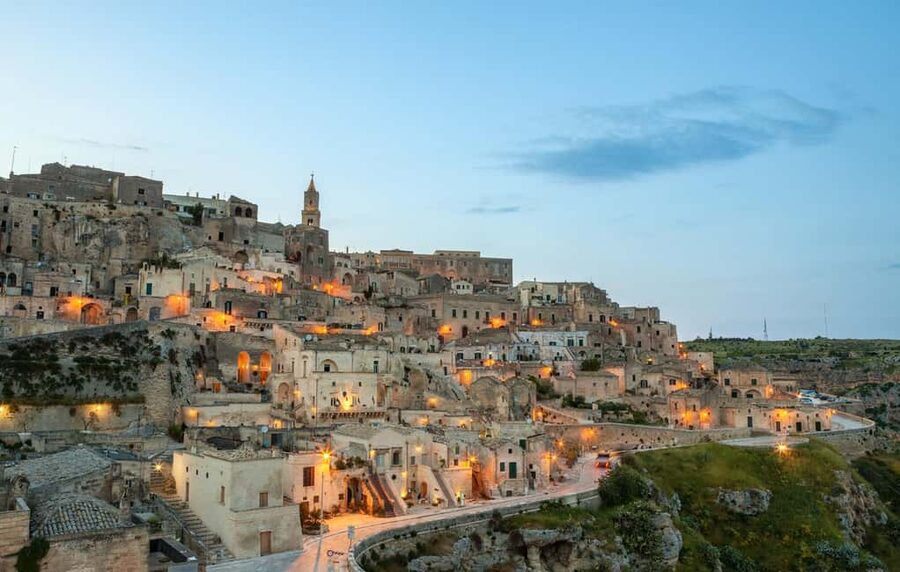
Matera makes the strongest impression when you understand how people once lived inside its stone walls. This 2.5-hour walk with local guide Gaetano Campanile brings you into the Sassi, the old cave districts, and explains the practical details behind those dramatic views, including homes carved into rock and cisterns that collected rainwater.
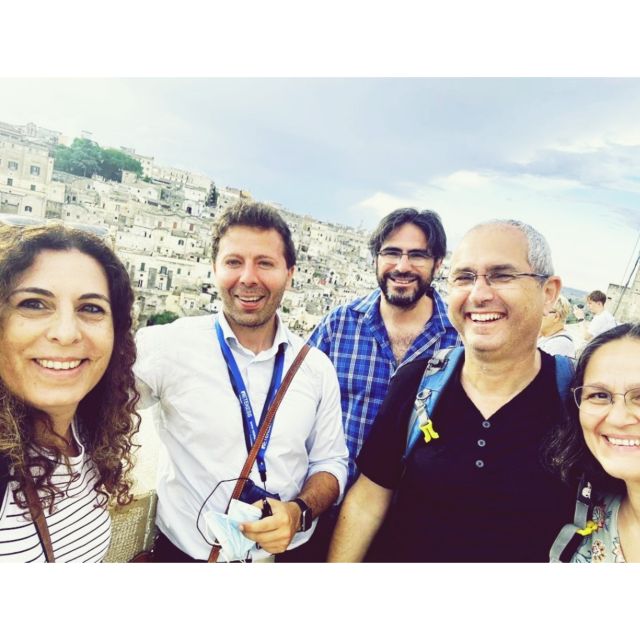
I like two things here: the tour focuses on daily life, not just pretty viewpoints, and Gaetano connects official history with stories passed down by families from the Sassi. The relaxed pace also helps if your group includes different ages or walking abilities.
The main consideration is the terrain. Matera sits on a hill, so you will climb stairs and walk over uneven streets. You need comfortable shoes, and this is not the best choice if you want a flat, effortless stroll.
Key points to know before you book
- See inside a cave home: Learn how families shared space and managed daily life in rooms cut from the rock.
- Understand water survival: Hear how Matera’s rainwater collection system helped support people in a dry, stone-built city.
- Visit St. Mary of Idris: Enter one of Matera’s famous rock churches and put the city’s religious past into context.
- Start at Piazza S. Pietro Caveoso: Meet directly in front of the church, in one of the most scenic parts of the Sassi.
- Get a local guide’s view: Gaetano uses local stories, humor, history, and practical tips to explain Matera beyond its postcard views.
- Allow for stairs: The walk is leisurely, but the old city’s hills and stairways are part of the experience.
Why Matera makes more sense on foot
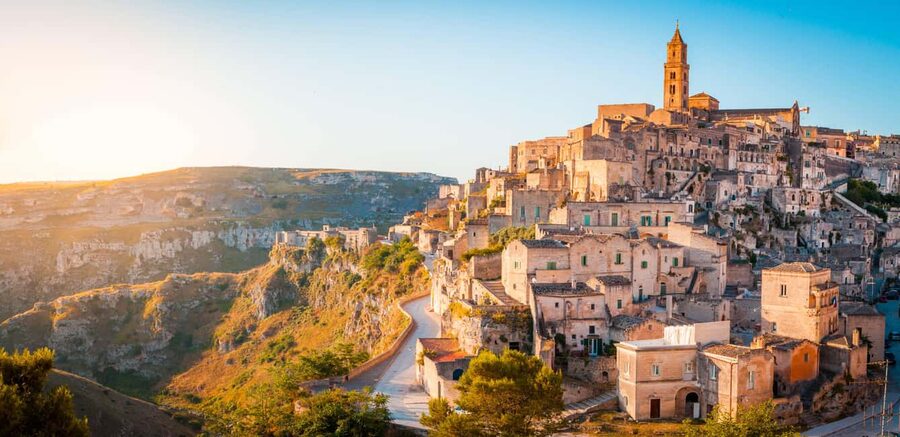
Matera is easy to photograph and harder to understand from a map. The Sassi appear to be a jumble of stone houses, churches, steps, lanes, and ravines. A guide helps you read that jumble as a working city rather than a striking set of walls.
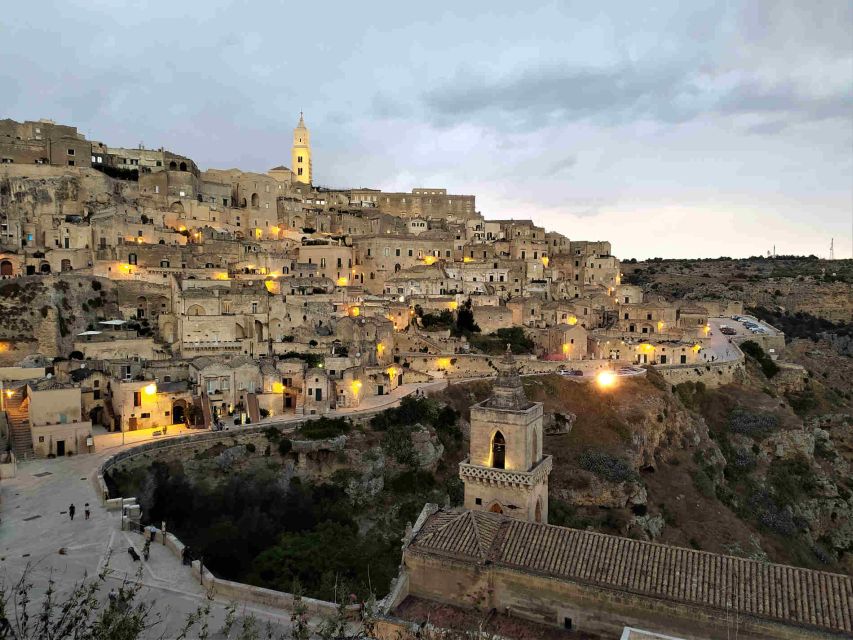
The tour begins in Piazza S. Pietro Caveoso, beside the church of the same name. This is a useful starting point because you are already in the old part of Matera, rather than beginning in a modern neighborhood and spending time walking toward the main sights.
From here, you move through the Sassi at a leisurely pace. The route includes broad viewpoints, quieter corners, and passages that are easy to miss when you are walking alone. I find that this mix matters. Matera is not just about one sweeping panorama. Its character comes from the change between open views and close, shadowy lanes.
You will also hear how the city changed over time. Matera was once described as the shame of Italy, a phrase tied to poverty and poor living conditions in the old cave districts. Today, the Sassi are recognized by UNESCO and form one of Italy’s most unusual cultural sites.
That change is central to the tour. You are not simply looking at old caves as charming relics. You are learning about homes that were once occupied by families, then became a symbol of hardship, and later became an important part of Italy’s heritage.
More cave tours around Italy:
- Matera: Sassi Tour with Cave House and Rupestrian Church
★ 4.7 · 6,618 reviews - Capri: Island Boat Trip with Grottos
★ 4.3 · 4,923 reviews - Polignano a Mare: Speedboat Cruise to Caves with Aperitif
★ 4.8 · 3,382 reviews
Inside the cave homes of the Sassi
The cave houses are the heart of this experience. From the outside, a cave dwelling may look like a rough opening in the rock. Inside, it becomes easier to picture the way a family used limited space for living, working, and storing supplies.
The tour explains how people adapted to the stone around them. You learn about the design of the homes and the practical choices required when rooms were carved into rock. This makes the caves more meaningful than a quick visit for photographs.
The most useful part is the focus on ordinary life. You are shown how families once lived, rather than hearing only dates and names. Details about household routines and the use of space help you understand why Matera’s caves were not simply shelters. They formed part of a wider neighborhood system.
Some tours of historic cities rush from monument to monument. This one gives more attention to how people managed life within the old districts. That is especially valuable in Matera, where the architecture can distract you from the people who built and occupied it.
The cave interiors may also feel more confined than you expect. If you dislike enclosed spaces, take that into account. The old districts also involve steps and changing ground levels, so you should expect an active walk even though the pace is not hurried.
The rainwater system that kept the city alive
One of the most useful subjects on the walk is Matera’s rainwater collection system. Water was essential to survival, and the city’s residents developed ways to collect and store it within the rock.
This detail gives you a better sense of the city’s ingenuity. The Sassi were not randomly carved homes. Their design reflected the local climate, available materials, and the need to make every useful resource last.
You will learn how rainwater was directed and collected in underground cisterns. That system is easy to overlook when you are admiring the stone facades, yet it tells you a great deal about the practical intelligence of the people who lived here.
The tour may also include an old cistern among its historic stops. That adds a useful second layer to the cave-house visit. First you see where families lived, then you understand one of the systems that made life there possible.
For me, this is the sort of detail that justifies taking a guided walk instead of wandering alone. You can see the stone, steps, and openings by yourself. You are much less likely to understand what lies beneath or behind them without someone explaining how the system worked.
St. Mary of Idris and Matera’s rock churches
The visit to St. Mary of Idris adds a religious side to the tour. This rock church is carved into the stone and forms part of Matera’s distinctive network of cave churches.
The setting is memorable because the church is not placed beside the rock. It is part of the rock itself. That helps you see how religious life and domestic life developed within the same unusual environment.
The church visit also gives the walk a change of mood. The viewpoints show Matera on a grand scale, while the cave homes reveal daily routines. Inside St. Mary of Idris, the focus shifts toward worship, art, and the spiritual life of the old communities.
You should not expect a long church-focused excursion. The wider tour is about the Sassi, their homes, history, and transformation. Still, St. Mary of Idris is an important stop because it shows that Matera’s caves served more than one purpose.
The tour can also include other old churches, depending on the route and conditions. That makes the experience broader than a simple cave-house visit, though the listed highlight is St. Mary of Idris.
Same rock, a different way in:
- Naples: Naples Underground Entry Ticket and Guided Tour
★ 4.4 · 21,781 reviews - Colosseum: Underground and Ancient Rome Tour
★ 4.7 · 12,691 reviews - Naples: Catacombs of San Gennaro Entry Ticket & Guided Tour
★ 4.6 · 7,941 reviews - Rome: Capuchin Crypts and Catacombs Tour with Transfers
★ 4.6 · 6,456 reviews
Gaetano’s approach to Matera
The guide is a major part of the experience. Gaetano Campanile is a licensed local guide with a background in history, and he speaks English clearly. His style combines serious explanation with humor, which helps keep a long history lesson from becoming dry.
He is also a native resident of Matera. That matters because some of his material comes from oral accounts shared by people whose families lived in the Sassi. You get the formal story of the city, along with personal details that make the past easier to picture.
I would choose this tour for someone who likes to ask questions. Gaetano’s approach is conversational, and the information can adjust to the group’s interests and ability. Questions about the city, local life, or what to see afterward fit naturally into the walk.
He also gives practical suggestions for the rest of your stay. That can include places to eat and other parts of Matera to visit. One particularly useful tip from the experience is a recommendation for a local bread shop, a small detail that can turn a history walk into a better day in town.
The guide’s energy may be more than you want if you prefer long quiet stretches. He has a lot to explain, and the tour is talkative. For most people booking an English history walk, that is a benefit, but it is worth knowing that this is not a silent photo walk.
Pace, stairs, and the physical side
The walk lasts about two and a half hours. That is long enough to cover the main ideas without trying to explain all of Matera in a rushed hour.
The pace is described as leisurely, and the guide can work with a mixed-age group. That does not remove the physical demands of the Sassi. You will climb stairways, walk uphill, and move over old streets with uneven surfaces.
Comfortable shoes are essential. Sandals with little support or smooth soles could make the steps less pleasant. Bring water if you normally need it during a two-hour walk, although the supplied information does not specify refreshment stops.
The tour can suit people in their 60s and older if they are comfortable with stairs. It has also worked well for a participant with two relatively new knee replacements, but you should judge your own ability rather than treat that as a guarantee.
There is no need to race. The value of a leisurely pace is that you can pause at viewpoints, listen to explanations, and manage the changing levels of the old city. If someone in your group has limited mobility, mention it when arranging the experience and be realistic about the stairways.
The activity begins and ends at Piazza S. Pietro Caveoso. Returning to the starting point is handy if you leave a car nearby or want to continue exploring from the same part of the Sassi.
Meeting point and parking
Look for the guide directly in front of the church in Piazza S. Pietro Caveoso. This is the stated meeting point, so arrive with enough time to locate the square without rushing.
If you are driving, two multi-level car parks are listed nearby: one on Via Pasquale Vena and another on Via Rocco Scotellaro. The tour itself does not provide transport, so you need to handle parking before the walk begins.
Starting in the Sassi is more convenient than beginning far away, but the old districts can still involve slopes and steps from the parking areas. Wear your walking shoes from the moment you leave the car.
The activity ends where it starts. That makes planning simple. You can continue sightseeing, return to your car, or use the tour as an introduction before visiting other parts of Matera on your own.
Is $28 a fair price?
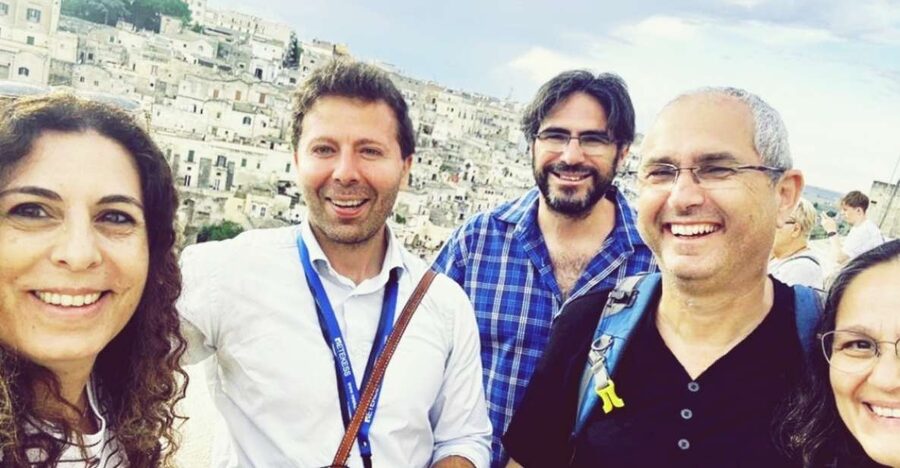
At $28 per person, this is a sensible price for a 2.5-hour guided walk in one of Italy’s most unusual historic cities. The fee covers the walking tour and guide, while the real value comes from having the cave homes, water system, churches, and social history explained in one connected story.
I would find the price especially worthwhile at the start of a stay. Once you understand the Sassi, your later walks become more rewarding. You notice cisterns, carved rooms, church entrances, and viewpoints that might otherwise blend into the stone.
The tour also offers free cancellation up to 24 hours before the start, and you can reserve now and pay later. Those terms are useful if your plans through Basilicata are still shifting.
The price is less appealing if you want only photographs or if you have already taken a detailed tour of the same districts. It is also not a substitute for spending extra time alone in Matera. Think of it as a strong introduction, then use the rest of your visit to explore at your own speed.
Who should book this Matera walk?
I would recommend it to first-time visitors who want context before exploring the city alone. It suits history-minded visitors, curious families with older children, and anyone who wants to understand how the Sassi changed from poor housing districts into a UNESCO site.
It is also a good match for people who value local knowledge over a polished performance. Gaetano’s connection to Matera and its families gives the tour a personal angle, while his historical training keeps the story organized.
You may want to skip it if your priority is a flat route, private transport, or a fast list of major sights. The walk involves stairs and plenty of explanation. It works best when you are willing to listen, look closely, and let the city’s practical details shape your understanding.
Should you book it?
Book this tour if you want Matera to become more than a beautiful collection of caves and viewpoints. The combination of cave homes, rainwater engineering, St. Mary of Idris, and local stories gives you a useful framework for the rest of your visit.
I would schedule it early in your stay, wear supportive shoes, and arrive ready for stairs. At $28, it is a good-value introduction, especially if you want clear English explanations and a guide who can answer questions about both Matera’s past and your time in the city.
FAQ
How long does the Matera walking tour last?
The tour lasts 2.5 hours. Starting times vary, so you need to check availability when booking.
Is the tour conducted in English?
Yes. The tour includes a live English-speaking guide.
Where does the tour begin?
The meeting point is in Piazza S. Pietro Caveoso, directly in front of the church.
Where does the activity finish?
The tour ends back at the meeting point in Piazza S. Pietro Caveoso.
Will I enter a cave house?
Yes. The tour includes a visit inside Matera’s ancient cave houses, where you learn how families lived.
Does the tour visit a rock church?
Yes. St. Mary of Idris is one of the listed highlights, and the tour focuses on Matera’s rock churches as part of its history.
Are there stairs on the route?
Yes. Matera’s old city lies on a hill, so you will climb stairways. The walk proceeds at a leisurely pace, but comfortable shoes are important.
What is included in the price?
The price includes the walking tour and guide. It does not list transportation or other inclusions.
Newly added caves around Italy
- Perugia: Entry Ticket and Guided Tour of Perugia Underground★ 4.6 · 579 reviews
- Palinuro: Boat Trip along the Coast & Blue Grotto Visit★ 4.4 · 63 reviews
- Palermo Experience: Monreale, Catacombe e Mondello con Cibo★ 5.0 · 31 reviews
- Palermo: Boat Tour With Aperitif Snorkeling And Cave Tour★ 4.8 · 381 reviews
- Orvieto: 2-Hour Cathedral and Underground Tour★ 4.8 · 24 reviews
- Naxos: Isola Bella, Blue Grotto, & Mazzarò Bay Boat Tour★ 4.6 · 568 reviews
- Narni: Guided underground Experience★ 4.6 · 66 reviews
- Naples Top Sights & Underground small group tour★ 4.7 · 59 reviews
Matera Cave Tours worth comparing.
Matera: Sassi Tour with Cave House and Rupestrian Church
Read our review →
Guided Tour, Historic Center Sassi Rock Churches and Cave House
Read our review →
Sassi di Matera: Guided Walking Tour with Cave House/Church
Read our review →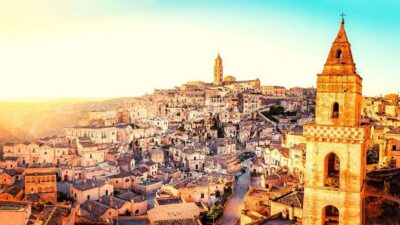
Matera: Guided City Center Tour with Cave Churches & Houses
Read our review →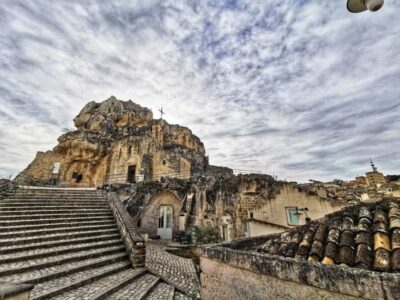
Matera: Walking tour with entries in Cave House and Church
Read our review →
Matera: Sassi Tour and Exclusive Underground Site
Read our review →Lists this cave tour appears in