
Review · SPAIN
Gran Canaria: Red Gorge, Cave, Oasis Adventure Tour & Picnic
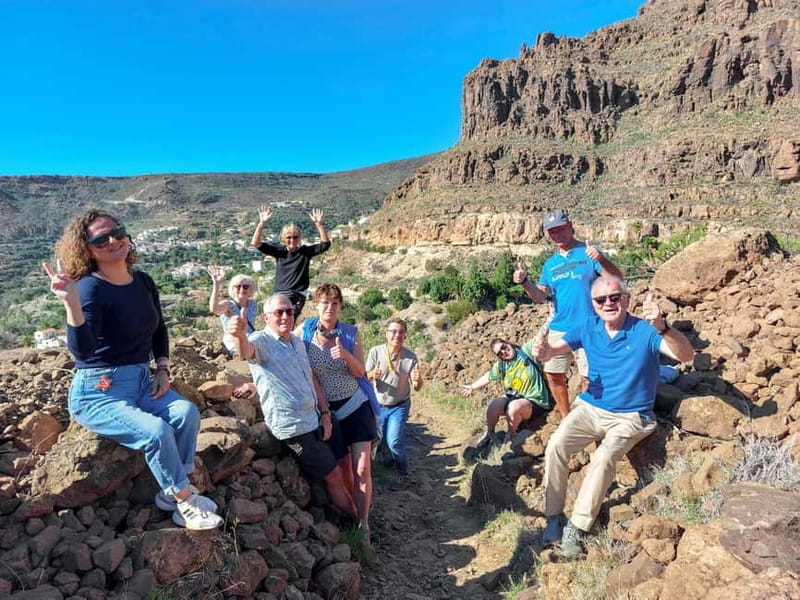
The striking part of this Gran Canaria day tour is the mix of places that feel far removed from the island’s beach resorts: a red tuff gorge, ancient Aboriginal caves, quiet olive-growing villages, and a palm oasis near a reservoir. Laszlo and Estefanía keep the group small, usually no more than seven people, so the day feels personal rather than bus-like.
I like the short, manageable walks, which let you see rugged scenery without signing up for a full hiking day. I also like the homemade picnic, local fruit, chilled drink, and photography help from Laszlo. The main consideration is that some cave paths are rocky, the roads curve sharply, and the tour is not suitable for people with mobility limits or a fear of heights.
Key points to know before booking
- Barranco de las Vacas gives you a dramatic red gorge without a long hike.
- Aboriginal caves add a real sense of Gran Canaria’s early human history.
- Laszlo and Estefanía lead a warm, small-group outing in English or German.
- The Canarian picnic includes homemade tapas, local fruit, and a chilled soft drink.
- The walking is brief but not always smooth, especially around the caves and oasis.
- The tour does not operate from June through September because of the summer heat.
Why this tour feels different from a resort excursion
Gran Canaria is easy to experience from a pool, promenade, or organized beach outing. This trip takes you inland, where the pace changes. The south becomes dry, rocky, and surprisingly quiet, with small settlements, palms, olive trees, ravines, and broad mountain views.
You spend about 7.5 hours on the full outing, though pickup from Las Palmas makes the day closer to nine hours. The route includes roughly 50 minutes in the van at the beginning and again at the end, plus shorter drives between stops. That is a fair amount of road time, but it allows you to reach places that are not practical to visit together by public transport.
The group limit of seven matters. Laszlo can switch between English and German, explain things with photographs on a tablet, and offer individual photography tips. Estefanía handles the driving and prepares the picnic. The result is more like a day out with two attentive local hosts than a large coach tour.
You should still expect a structured day. This is not a slow village holiday with hours to wander. You move from one stop to the next, with walks generally lasting 15 to 20 minutes. The appeal is variety: you see several sides of inland Gran Canaria in one outing.
More cave tours around Spain:
- Porto Cristo: Caves of Hams Entry Ticket
★ 4.2 · 6,548 reviews - Mallorca: Caves of Drach Day Trip & Optional Caves of Hams
★ 4.3 · 2,720 reviews - From Málaga: Caves of Nerja, Nerja and Frigiliana Day Tour
★ 4.7 · 2,187 reviews
Barranco de las Vacas and the red tuff walls
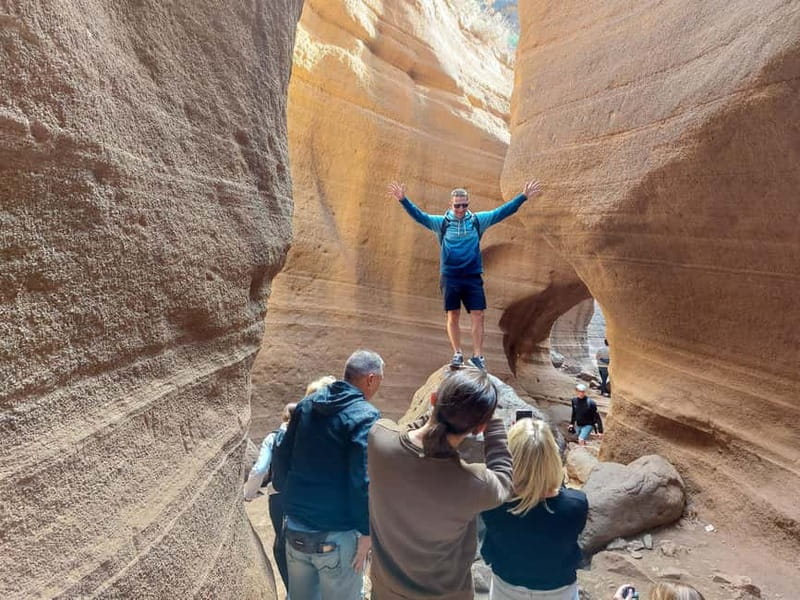
The first major stop is Barranco de las Vacas, often called the Red Gorge. Its smooth, reddish walls were shaped by water and time, creating a narrow ravine with a very different appearance from the dry hills around it.
The walk is short, listed at around 40 minutes including the visit and explanation. It is not a serious hike, but reaching the gorge can involve uneven access. You should wear shoes with a firm sole, not sandals or smooth-soled trainers. One person with limited confidence on the rough approach needed help from other members of the group, so do not assume that every part of the route is paved.
The reward is visual. The red rock makes a strong first stop, and the enclosed gorge gives you a close look at the power of water in an otherwise dry part of the island. Laszlo also uses the setting to talk about how natural forces reshape the world, rather than treating it as just a quick photo stop.
If you are looking for long walks, this section may feel too brief. If you want an impressive natural feature without spending half the day on a trail, the length works well.
Temisas and the quiet side of island life
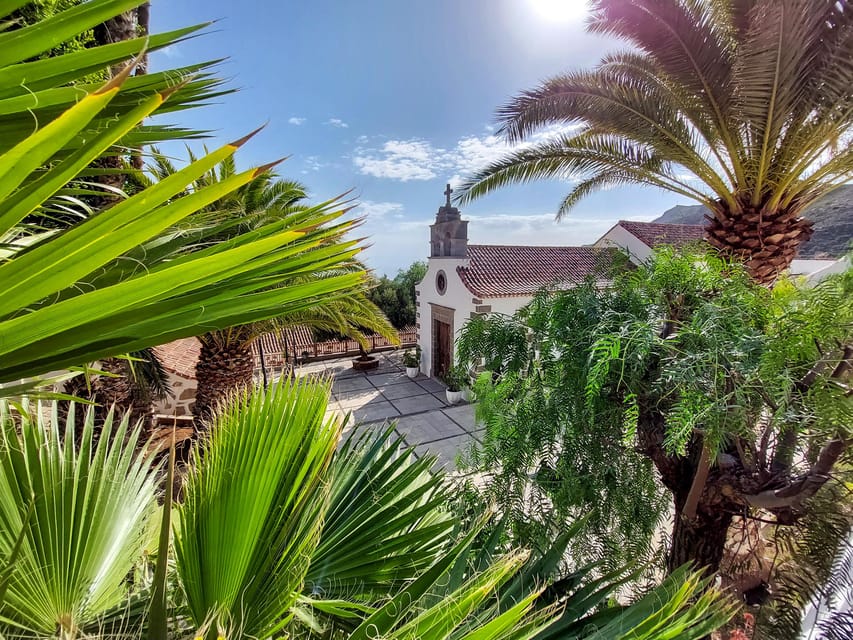
The route continues to Temisas, a traditional Canarian town surrounded by olive trees. This is where the tour shifts from rock formations to everyday island life.
Temisas is presented as a place of calm rather than spectacle. You get time for a guided visit, a short walk, and photographs. The point is not a long list of monuments. It is the chance to see a small settlement where the pace is slower, the buildings have a local character, and olive cultivation remains part of the setting.
I like this stop because it gives the day some balance. Gran Canaria is often sold through beaches and dramatic viewpoints, but the island’s smaller towns explain how people live between those attractions. The quiet can feel almost startling if you have been staying in Maspalomas or Playa del Inglés.
Do not expect a busy café district or a full free hour in the village. The visit lasts about 40 minutes, and the atmosphere is deliberately peaceful. Some of the charm comes from the fact that there is not much rush or commercial activity.
Aboriginal caves and a glimpse of life 1,500 years ago
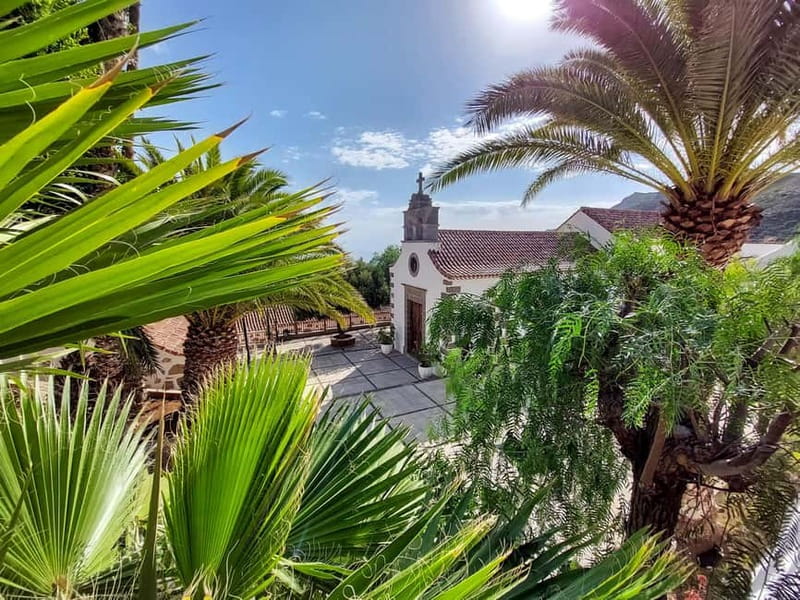
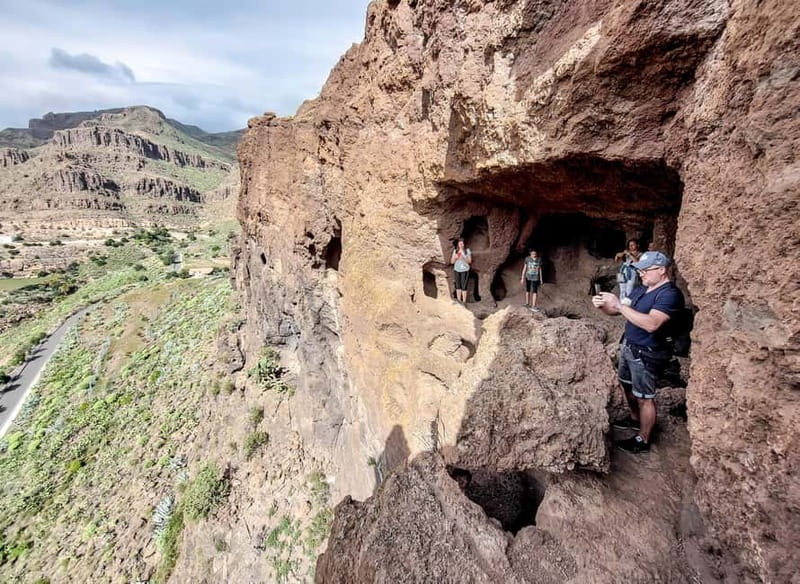
The cave visit is the most adventurous section of the day. You follow rocky paths to Aboriginal caves associated with the native people of Gran Canaria and get a better sense of how island communities lived around 1,500 years ago.
This is not a museum visit with polished floors and display cases. The setting itself does much of the explaining. You see how natural rock shelters could be used for daily life, storage, or protection, while the guide adds context about the people who lived on the island before the Spanish conquest.
The scheduled visit and hike take about 80 minutes, making it one of the longer stops. You will need moderate walking fitness, though no previous hiking experience is required. The paths can be rocky and may include exposed sections. People who are afraid of heights should skip this tour, and anyone with mobility problems may find this stop difficult.
The cave section is valuable because it gives the day more depth. You are not simply collecting scenic photographs. You are connecting the rock formations and dry valleys with the people who adapted to them. Still, the amount of background information can vary depending on your interests and the guide’s explanations. If you want a detailed archaeological lecture, you may find the presentation fairly light. If you prefer history tied to a real place, the format works well.
Same rock, a different way in:
- From Valencia: Caves of San José Guided Excursion and Ticket
★ 4.6 · 1,717 reviews - Nerja: Caves of Nerja Entry Ticket with Audio Guide
★ 4.6 · 1,616 reviews - Mallorca: Kayaking, Sea Cave, Cliff Jumping & Snorkel Tour
★ 4.8 · 1,447 reviews - Ibiza: Snorkeling and SUP Paddle, Beach and Cave Tour
★ 4.7 · 1,264 reviews
Santa Lucía, local products, and a homemade picnic
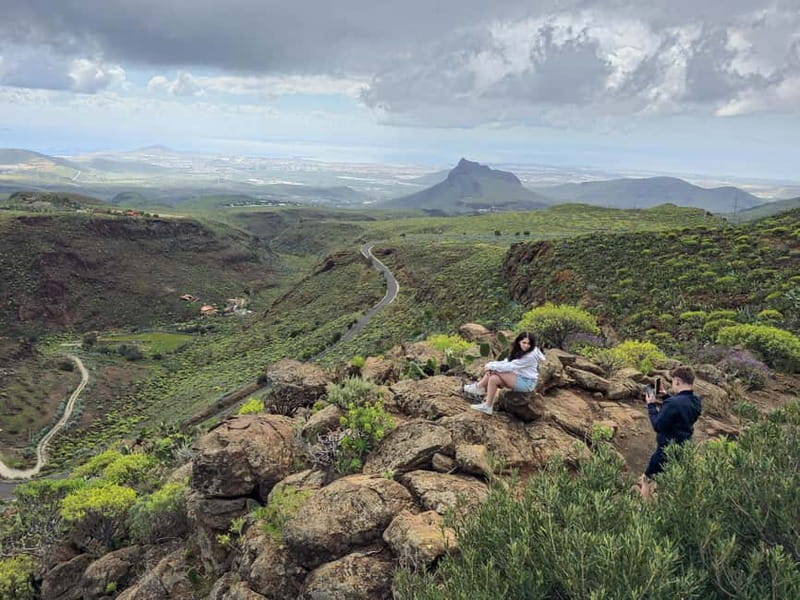
Santa Lucía de Tirajana brings another change of pace. There is a photo stop, a short visit, and an opportunity to buy coffee or local products before the picnic. This pause is useful because the morning includes several walks, even if none is very long.
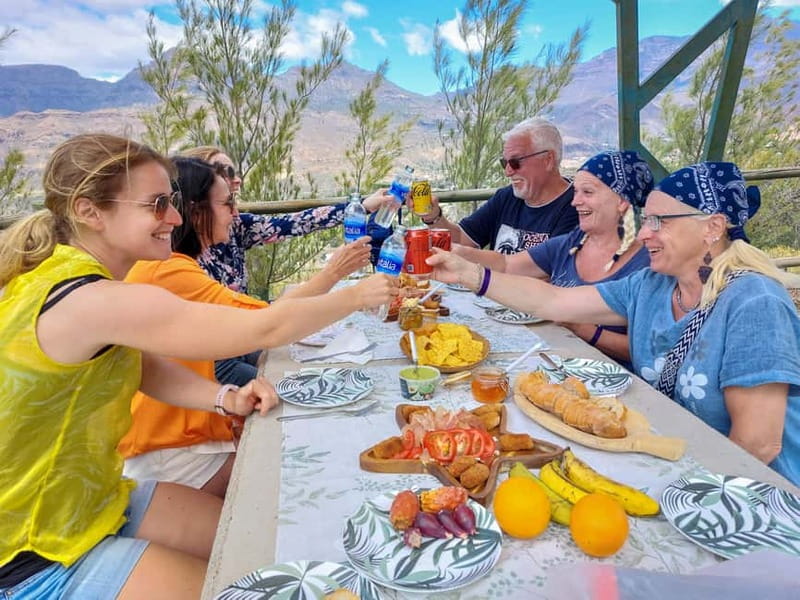
The picnic is one of the strongest reasons to consider this outing. Estefanía prepares homemade Canarian food, and the meal is served outdoors in a pleasant natural setting. You can expect local tapas, fruit, and one chilled soft drink per person. The food is more than a token tasting. It is intended as a proper shared meal, prepared with the personal touch of a home kitchen.
That detail changes the feel of the tour. A packed sandwich eaten beside a parking area would simply keep the schedule moving. A homemade meal gives you time to sit, talk, and enjoy the surroundings. It also lets you taste local food without arranging a separate restaurant visit.
The picnic is not designed for a particular dietary need in the information provided, so you should ask the operator before booking if you have allergies or strict food requirements. The tour includes one soft drink and local fruit, but extra purchases at the coffee stop are your responsibility.
The palm oasis and reservoir trails
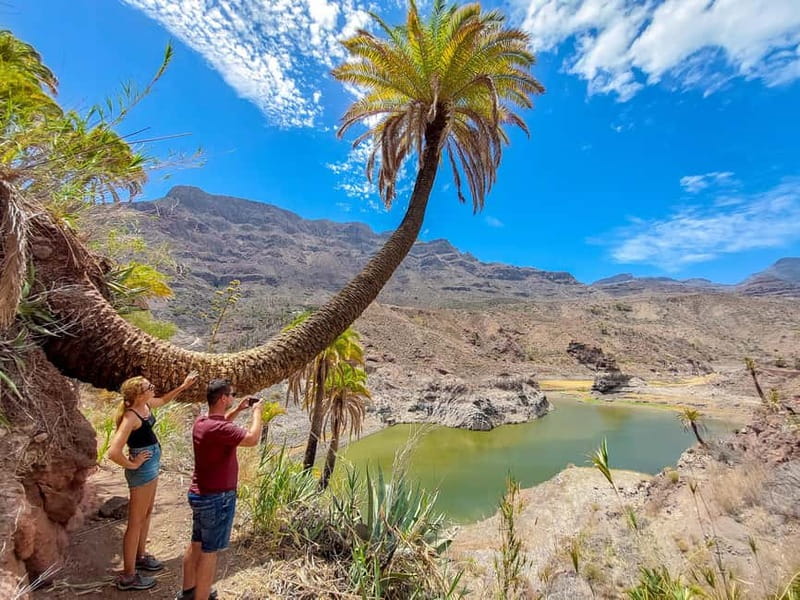
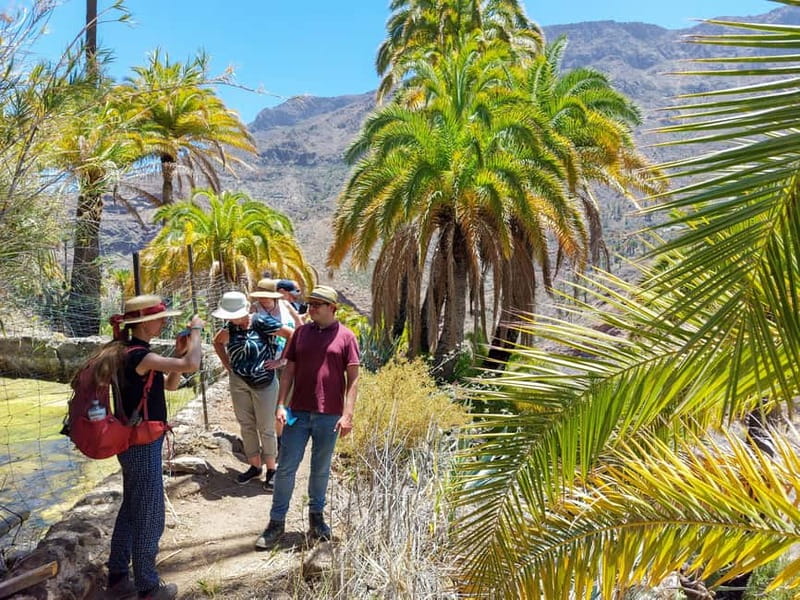
After the food, the route heads to an adventurous path through a small oasis near the reservoir area around La Sorrueda. This section combines palms, agriculture, and water management, which are important subjects on a dry island.
The walk lasts about an hour in the schedule, although the actual walking is described as short sections rather than one continuous hike. You may move along narrow or uneven paths, so good shoes remain important. The setting should appeal to you if you want more than viewpoints and village streets. It offers a closer look at how greenery survives in an area where water cannot be taken for granted.
The guide also explains agriculture and the importance of water on Gran Canaria. That is a useful layer of context. The palms are not simply decorative, and the oasis is not just a place for holiday photographs. It reflects the work needed to support farming and settlement on the island.
This is also one of the parts where the tour’s accessibility limits matter most. The path may feel adventurous rather than difficult, but uneven ground and some exposure can be uncomfortable if you are unsteady on your feet.
Mountain views and the final photo stop
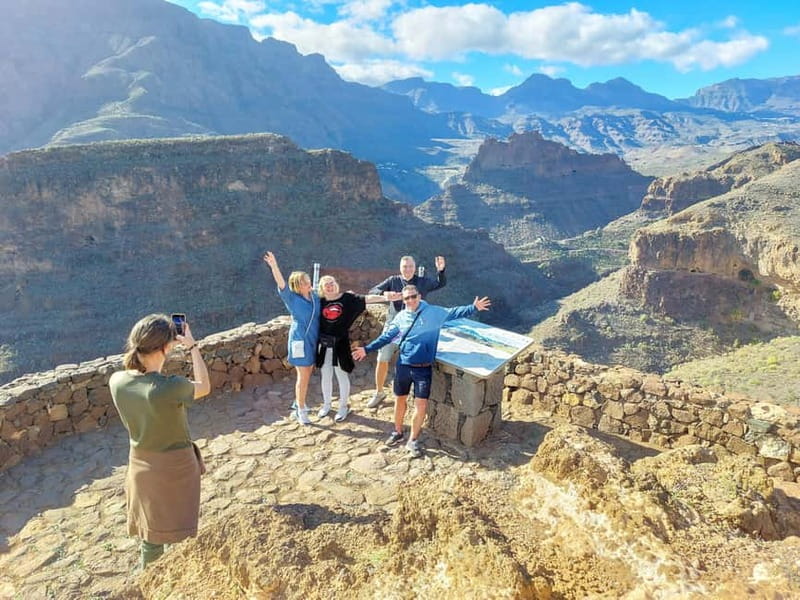
The final stop is a viewpoint over the southern mountains. It is a short photo stop of about 20 minutes, giving you time to take in the wider scene before returning to the van.
This last pause works as a clean finish. Earlier stops give you close views of rock, caves, palms, and village life. The viewpoint lets you step back and see the scale of the island’s interior. Laszlo also takes photographs during the day, and 15 digital landscape pictures are included in the price.
The photo service is a useful bonus if you are often the person left out of group pictures. It also adds value for anyone interested in improving holiday photography, since Laszlo has shared practical tips about framing and viewpoints. You should not expect a professional photo shoot with unlimited edited images, but the included set gives you a good visual record of the day.
Transport, timing, and comfort
Pickup is included directly outside your accommodation in Maspalomas, Playa del Inglés, Las Palmas, San Agustín, Playa del Águila, Bahia Feliz, Sonnenland, and the Port of Las Palmas. Pickup in Maspalomas is around 9 a.m., while Las Palmas pickup is around 8:20 a.m. The exact time is provided the day before.
The vehicle is a new, air-conditioned van. That matters in Gran Canaria, where inland roads can be hot and exposed. It also makes the small group easier to manage than a large coach.
The roads can be twisty, particularly as you move through the island’s hilly interior. If you suffer from motion sickness, bring suitable tablets and sit where you are most comfortable. Estefanía is praised for careful driving, but no driver can remove the curves from the route.
Routes can change because of weather or road conditions. The main promise is the style of experience, short nature walks, villages, caves, food, and views, rather than a guaranteed sequence of every stop.
Is $107 good value?
At $107 per person, this is not the cheapest way to spend a day in Gran Canaria. The value comes from the amount bundled into the price: hotel pickup and return, air-conditioned transport, a licensed guide, insurance, a homemade Canarian tapas picnic, local fruit, a soft drink, and 15 digital photographs.
You are also paying to reach several inland places in one day without arranging a rental car or navigating narrow roads yourself. A self-drive visit could cost less for a couple, but you would need to plan the route, find each stop, manage parking, and provide your own food and photos.
The strongest value is for solo visitors and couples who want a small group. With only up to seven participants, the cost buys personal attention as well as transport. It is less compelling if you mainly want a long hike, a full archaeological tour, or several hours in one town.
Free cancellation up to 24 hours before departure and the option to reserve without paying immediately make the booking less rigid. The most important seasonal point is that the tour does not operate from June through September because of summer heat, so check dates carefully.
Who should book this Gran Canaria day tour?
I would choose this trip if you want inland scenery but do not consider yourself a serious hiker. You need moderate walking fitness, comfortable shoes, a hat, and sunscreen, but you do not need technical equipment or previous hiking experience.
It suits you especially well if you value:
- Small groups instead of coach tours
- Quiet villages and less familiar parts of southern Gran Canaria
- A mixture of nature, local culture, food, and photography
- Short walks with regular changes of scenery
- English or German guiding
- A relaxed picnic prepared by the guides
I would choose another outing if you have reduced mobility, are uncomfortable on rocky paths, dislike heights, or get badly carsick on winding roads. Families with children under six cannot join, and older children should still be comfortable walking over uneven ground.
Should you book it?
Book this tour if you want a friendly, varied day away from the resort strip. The red gorge, Aboriginal caves, palm oasis, quiet villages, homemade picnic, and mountain views give you a broad introduction to Gran Canaria’s interior without demanding a full day of hiking.
The best features are the small group, careful organization, personal guiding from Laszlo and Estefanía, and the food. Go with sensible expectations: some paths are rough, the roads curve, and the historical information may not satisfy a serious archaeology enthusiast. For most visitors who want authentic scenery, local food, and manageable walks, the $107 price is reasonable.
FAQ
How long does the tour last?
The tour lasts about 7.5 hours. If you are picked up in Las Palmas, the total day is about nine hours because of the longer transfer time.
Is hiking experience required?
No previous hiking experience is needed, but you should have moderate walking fitness. Walks are generally short, though the cave and oasis sections include rocky or uneven paths.
What languages are available?
The live tour is available in English and German.
What food is included?
The tour includes a Canarian tapas picnic, local fruit tasting, and one chilled soft drink per person. You can also buy coffee or local products during a short break before the picnic.
Is hotel pickup included?
Yes. Pickup and drop-off are included from selected locations, including Maspalomas, Playa del Inglés, Las Palmas de Gran Canaria, San Agustín, Playa del Águila, Bahia Feliz, Sonnenland, and the Port of Las Palmas.
Does the tour operate all year?
No. The tour does not operate between June and September because of the summer heat. Routes can also change because of weather or road conditions.
Newly added caves around Spain
- Palma: Caves of Genova Ticket & Digital Audio Guide★ 3.9 · 820 reviews
- Calasparra: Almadenes Canyon Rafting with Caves and Rock Art★ 4.7 · 558 reviews
- Mogán: Guided Kayak to Caves and Snorkeling Tour★ 4.6 · 329 reviews
- MENORCA: Kayak cave route + photo session.★ 4.8 · 300 reviews
- Maspalomas: Barranco de las Vacas & Caves with Sky Rebels★ 4.9 · 144 reviews
- Mallorca Marine reserve: Visit caves, cliffs and snorkeling★ 4.5 · 15 reviews
- Mallorca: Aquatic Cave Exploration Guided Tour★ 4.9 · 119 reviews
- Mallorca: Half-day of Natural Wonders at the Drach Caves★ 3.8 · 90 reviews
Spain Cave Tours worth comparing.
Mallorca: Caves of Drach Day Trip & Optional Caves of Hams
Read our review →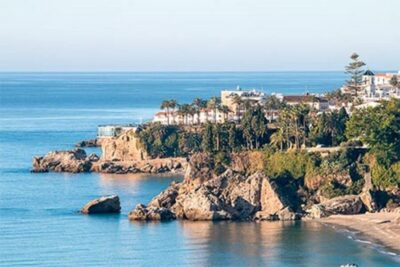
From Málaga: Caves of Nerja, Nerja and Frigiliana Day Tour
Read our review →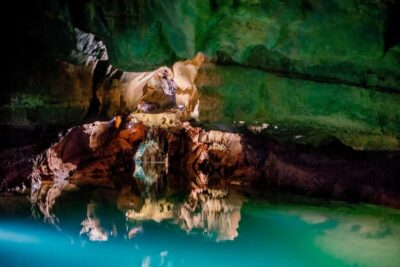
From Valencia: Caves of San José Guided Excursion and Ticket
Read our review →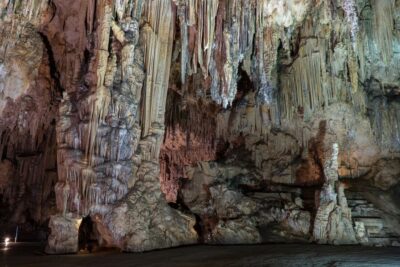
Nerja: Caves of Nerja Entry Ticket with Audio Guide
Read our review →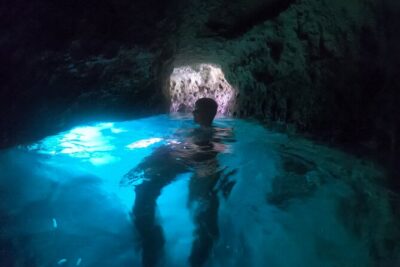
Mallorca: Kayaking, Sea Cave, Cliff Jumping & Snorkel Tour
Read our review →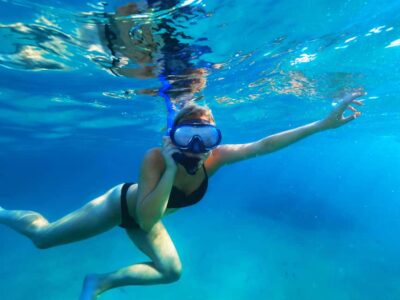
Ibiza: Snorkeling and SUP Paddle, Beach and Cave Tour
Read our review →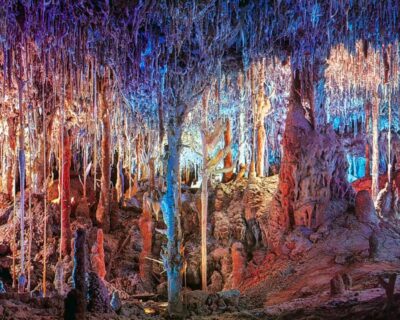
Mallorca: Dinosaurland and Caves of Hams Combined Ticket
Read our review →Lists this cave tour appears in