
Review · ITALY
Catania: Morning Jeep Tour of Mount Etna and Lava Flow Caves
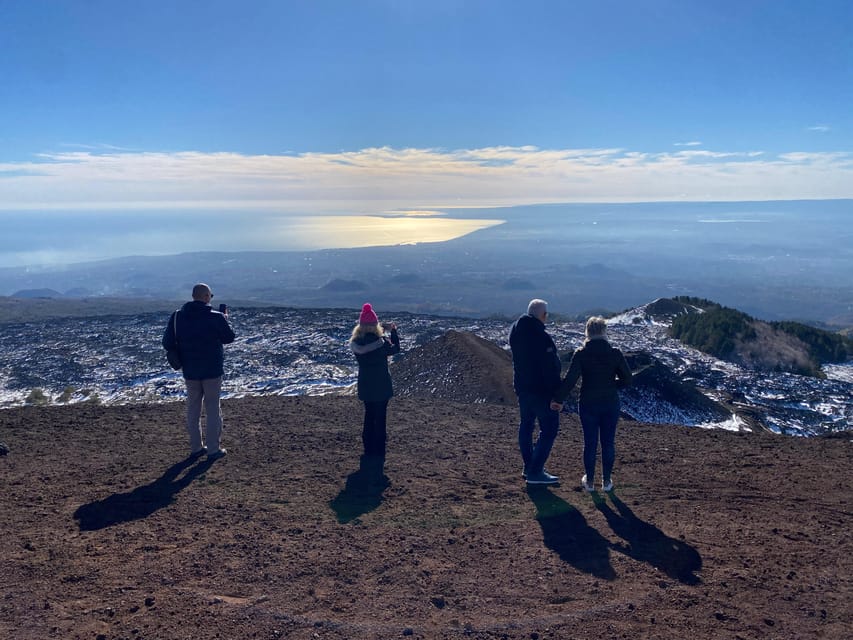
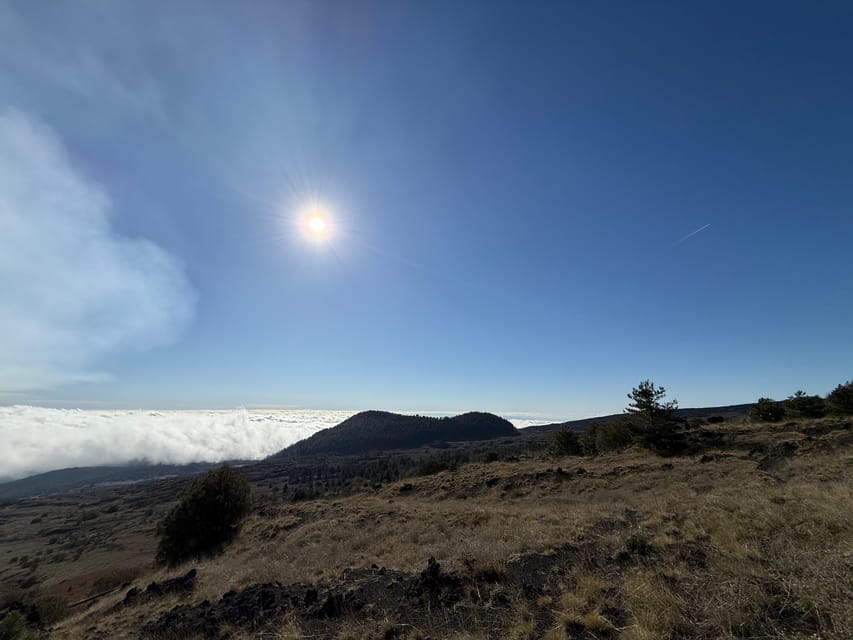
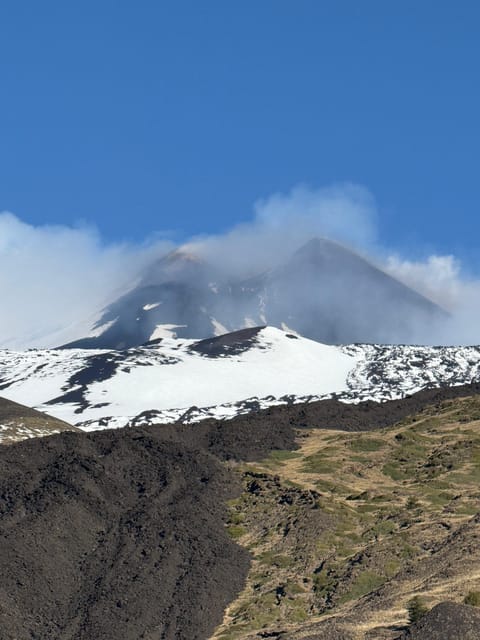
Mount Etna is best understood from the ground, not from a coach window. This morning trip takes you to about 2,000 meters, where old craters, black lava flows, ash, and wide views show how the volcano has shaped eastern Sicily. You also enter a lava cave with a helmet and flashlight, a small but memorable bit of real volcanic adventure.
I like two things here. First, the guides do more than point at scenery. Guides such as Kevin, Gaetano, Andrea, Orazio, and Enrico are praised for explaining eruptions, geology, Sicilian life, and the risks of living beside Etna. Second, the tour mixes driving with short walks, so you see a lot without signing up for a hard mountain trek.
The main caution is that the vehicle may be a van rather than a Jeep, and a full vehicle can feel cramped. The cave also has a narrow entrance and exit, so anyone with knee trouble should think carefully before going inside.
Key points to know before booking
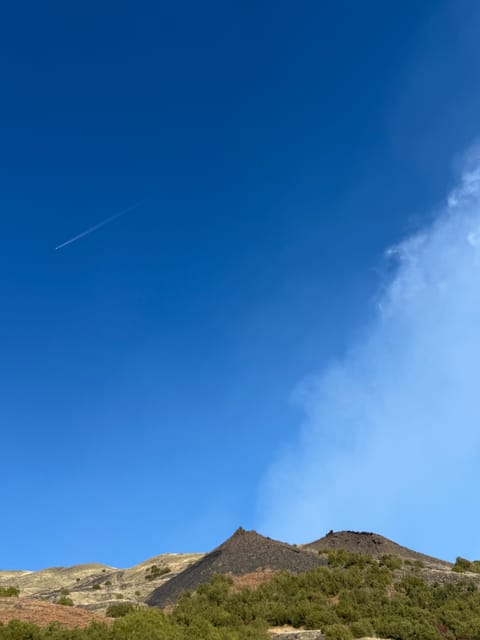
- You reach 2,000 meters, not Etna’s summit: This is a half-day visit to the upper park, not a summit climb.
- The lava cave is a hands-on stop: Helmets and flashlights are supplied, but getting in and out can be awkward.
- Small groups make the guide matter: The best part of the outing is often the live explanation from guides such as Kevin, Gaetano, or Andrea.
- The Valle del Bove viewpoint is the visual centerpiece: Its broad lava desert gives you the clearest sense of Etna’s scale.
- The tour stays away from the busiest visitor areas: You may walk on quieter paths and old lava flows.
- Zafferana adds a local food stop: Expect tastings of products such as wine, honey, olives, and olive oil, with extra food and drinks at your own cost.
Why this Etna morning tour works well from Catania
At $67 per person, this is a sensible way to see Mount Etna if you do not have a car. The price covers transport, a guide, the walking portions, cave equipment, and tastings. You are not paying for a cable-car ride or a summit permit, because those are not part of the outing. Instead, you get a guided introduction to the volcano and several stops that would be difficult to link together on your own.
The trip lasts about five and a half to six hours. That timing suits a morning in Catania: you can spend the afternoon in the city, visit the fish market, or continue to another Sicilian sight. The early start also helps you avoid spending the whole day on the mountain, where weather can change quickly.
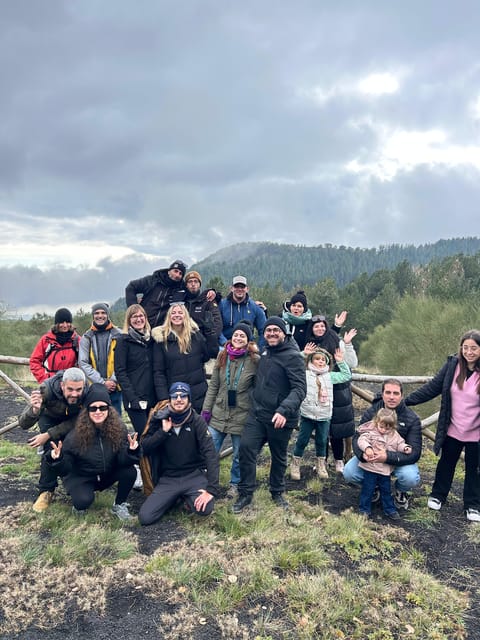
I would choose this for a first look at Etna, especially if you want explanation and scenery more than strenuous walking. It also suits solo visitors. One person traveling alone was made to feel part of the group, and the small-group setup gives you a better chance to ask questions than a large bus tour would.
More Cave ATV and Buggy Tours in Italy:
- Catania: Sunset Jeep Tour of Mount Etna and Lava Flow Caves
★ 4.8 · 2,113 reviews - Etna Jeep Tour: Explore Craters and Lava Caves, Etna Wine Brunch
★ 4.9 · 17 reviews - Aruba UTV, ATV Adventure to Secret Beach and Cave Pool
★ 5.0 · 7,730 reviews
The ride from Catania to Etna Park
You meet at one of the listed points in Catania, including Etna and Sea Excursions on Via Cristoforo Colombo or Piazza dei Martiri. The ride to the mountain takes about 40 minutes each way. Transport is in an air-conditioned vehicle, described as a Jeep, SUV, or van depending on the group and vehicle used.
This detail matters. Some outings use a genuine Jeep-style vehicle, while others use a small van. A full Jeep with seven passengers can feel tight, especially if you are tall or carrying a day bag. The benefit is that the group stays together in the same vehicle, rather than changing transport during the day.
Your guide begins explaining Etna during the drive. The strongest guides make the ride useful by connecting the volcano to local towns, past eruptions, roads, farms, and buildings affected by lava. Kevin is often praised for his humor and care for the group. Gaetano is noted for answering questions and explaining what it is like to live near the volcano. Andrea receives particular praise for his geology, eruption knowledge, and confident driving.
The tour runs in English, Italian, Spanish, Portuguese, and French. Since groups can be mixed, the guide may repeat information in several languages. That can make the commentary less fast, but it helps keep the outing inclusive.
Walking among the old craters at about 2,000 meters
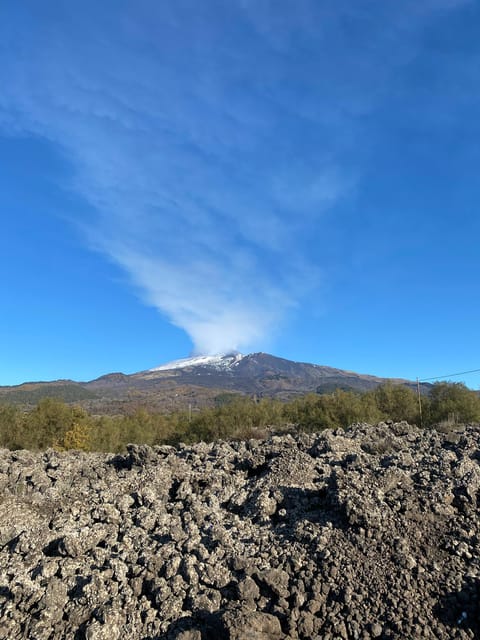
The main Etna Park portion takes up much of the morning. You walk away from the most crowded tourist areas and see old craters, ash-covered ground, lava rock, and plant life that has adapted to the volcanic setting. The paths are not presented as a demanding trek. Several people with different ages and fitness levels found the walking manageable, and guides adjusted the pace for families and older members of the group.
You should still wear proper shoes. Sandals and flip-flops are a poor choice on loose volcanic ash, where it is easy to slip. Shoes can get dirty, and the black grit works its way into almost everything. Trekking shoes are available on request, but it is wise to ask for them when booking rather than count on having a particular size at the meeting point.
At this height, conditions can differ sharply from Catania. The city may feel warm while Etna is cool, windy, cloudy, or foggy. A jacket is useful even in summer. Fog can hide the distant views, but it can also make the mountain feel stark and unusual. Clear weather gives you the better panorama, yet the tour still has plenty of interest when the summit is shrouded.
The walking stops are also a good chance to ask about volcanic resources and local life. Guides explain how lava flows redraw roads and fields, how eruptions affect nearby communities, and why Etna remains both a danger and a source of fertile land and tourism.
Hornitos and the marks left by explosive activity
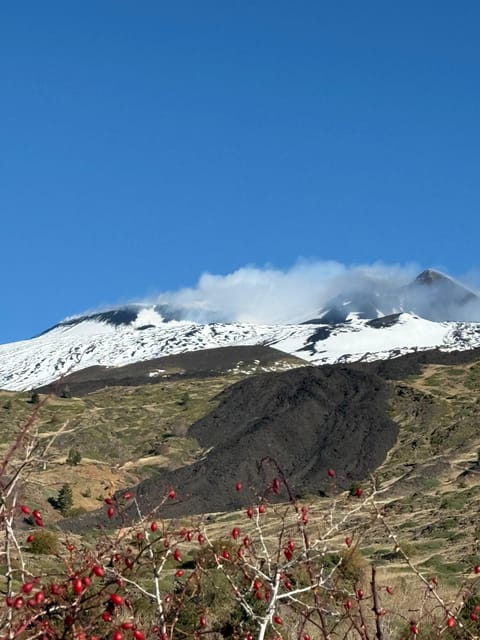
The tour includes an area linked to old explosive activity, including hornitos. These are small volcanic formations created around openings in a lava flow. The point is not simply to photograph another black rock. Your guide helps you read the ground and see how pressure, gas, and flowing lava shaped the formations.
This is one reason a guided visit is more useful than a quick stop at a roadside viewpoint. Without an explanation, the craters and rough lava can look like a field of dark stones. With context, you begin to see the mountain as a record of repeated eruptions.
The tour also includes several photo stops. Guides often help with pictures, and some are especially attentive to making sure everyone gets a good view. That is a small service, but it matters in a group setting where one person may be traveling alone or may not want to ask another visitor for a photograph.
Early starts around Italy:
- Early morning Chichen Itza Tour: Cenote and Tequila Tasting
★ 5.0 · 6,657 reviews - Morning Small group to Marble Mountains – Am Phu Cave – Monkey Mountain
★ 5.0 · 1,097 reviews - Algarve: Benagil Cave Sunrise Kayak Tour with Shower Use
★ 4.8 · 533 reviews - Half Day Mekong Cruise to Pak Ou Caves (Morning / Afternoon)
★ 4.6 · 290 reviews
Entering Grotta Cassone and Grotta del Gatto
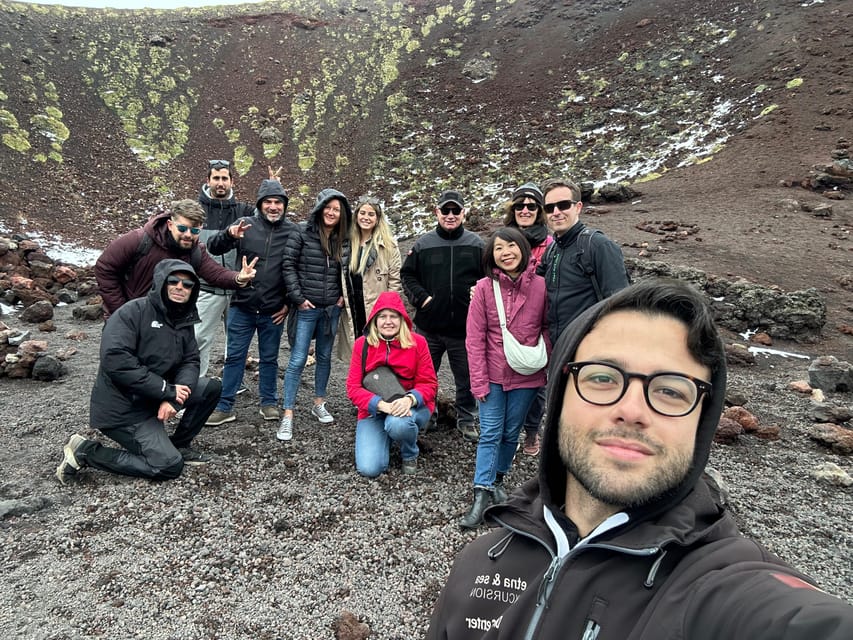
The cave section is the most unusual part of the day. Grotta Cassone and Grotta del Gatto are listed as separate stops, each with time for a visit and explanation. You receive a helmet and flashlight before entering. These are lava-flow caves, formed as the outside of a lava flow cooled while hotter material continued moving inside.
Do not expect a large cavern with wide paths. One of the caves is described as narrow, and getting in and out can be the hardest physical part of the tour. You may need to bend low or manage uneven ground. If you have knee problems, limited mobility, or dislike confined spaces, you can skip the cave and still take part in the rest of the outing.
The cave equipment is included, which is helpful. You do not need to bring a helmet or torch. Bring shoes with grip, however, and keep your hands free. A bulky backpack will make a tight entrance more annoying.
This stop gives the tour a welcome change of pace. The open views at 2,000 meters are grand, while the cave is close, dark, and tactile. You get a sense of how the same lava that forms dramatic distant flows can also create small underground passages.
Rifugio Casa del Vescovo and the higher mountain views
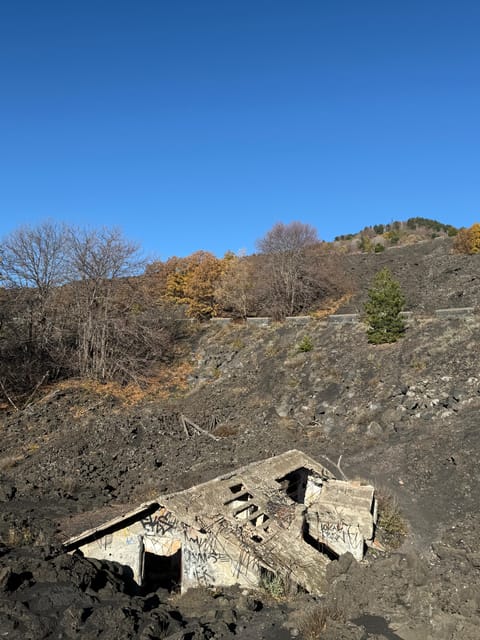
Rifugio Casa del Vescovo is another photo and information stop during the park visit. The itinerary allows about 30 minutes here, though exact timing can vary with traffic, weather, and the pace of the group.
The value of this stop is its position within the morning. By this point, you have seen volcanic formations and walked over old flows. The guide can connect those details to the wider mountain, helping you understand that Etna is not just one cone but a large volcanic area with changing slopes, craters, valleys, and eruption scars.
Do not confuse the refuge stop with a meal included in the price. The tour provides tastings later, but additional food and drinks are not included. You may find a chance to buy coffee or a snack during the day, but you should not rely on that as a full meal.
Looking into the Valle del Bove
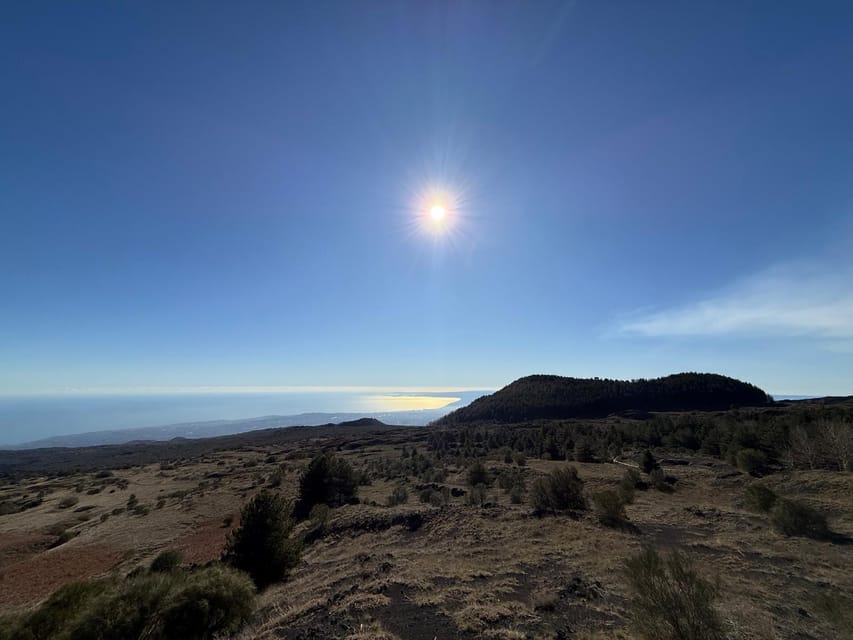
The Valle del Bove is the visual high point of the tour. This enormous valley on Etna’s eastern side is known for its broad, barren lava desert. From the panoramic point, you can see how past eruptions have carved and covered the mountain.
The view is more than a postcard stop. It helps explain why Catania and the towns east of Etna have lived with eruptions for centuries. Lava has destroyed buildings and roads, but the volcano has also shaped the soil, scenery, and local economy. A good guide turns the viewpoint into a short lesson rather than a quick photo break.
Give yourself time to look beyond the first photograph. The colors can be subtle: black and gray lava, brown ash, patches of plant life, and changing light across the valley. Weather is a major factor. On a clear morning, the view may be the strongest reason to book. In cloud or fog, the guide’s explanation becomes more important than the panorama.
Zafferana Etnea and the local tasting
Before returning to Catania, the vehicle goes to Zafferana Etnea for about 30 minutes. This is a break for shopping and tastings of local products. Wine, honey, olives, and olive oil are among the items mentioned during the stop.
I like this ending because it brings the volcano back to everyday Sicily. Etna is not only a geological site. It supports farms, food production, and towns such as Zafferana. The tasting gives you a small connection to that local economy and a chance to buy something easy to carry home.
Keep your expectations measured. This is a tasting stop, not a full lunch or a long food tour. Food and drinks beyond the included samples cost extra. If you need a proper meal, plan one before or after the excursion.
How the guides shape the day
The guide is the biggest variable in a tour like this, and the recorded feedback is unusually consistent about the staff. Kevin is praised for being funny, attentive, and good at handling mixed-language groups. Gaetano receives strong marks for his passion for Etna and his clear answers. Orazio is noted for a friendly manner and care for the group. Fabrizio is praised for taking people to quieter parts of the mountain.
Andrea is singled out for combining geology and local history with confident driving. Enrico is described as especially good at sharing his enthusiasm for the volcano. Other guides named during the outings include Fabio, Luca, Ali, Alessio, Raji, Reggie, Rui, Rico, and Ilaria.
Names can change with the day, so you cannot book a particular guide based on this information. You can, however, expect a live guide rather than a recorded audio track. That gives you the chance to ask about recent eruptions, local towns, plants, roads, and anything else you notice.
The tour has a rating of 4.7 from 774 ratings, with praise focused mainly on organization, guide quality, comfortable pacing, and the mix of driving and walking. The useful takeaway is not simply the number. It is that the human side of the experience matters more than the vehicle type or the exact order of stops.
Who should book this Etna trip
I would recommend it if you want to see Mount Etna without arranging a rental car, planning mountain roads, or joining a hard hike. It is also a good fit for families. A family with children aged one and five found the pace manageable, although parents should still decide if the lava cave is suitable for their children.
The tour also works for older visitors who want views and explanation with limited physical effort. Most walking is described as easy, but the cave is a separate challenge. You can opt out of that section.
You should look elsewhere if you want to reach the summit, spend a full day hiking, or explore Etna at your own pace. This tour stays around 2,000 meters and follows a group schedule. It is an introduction to the volcano, not a mountaineering trip.
Wear sturdy shoes, bring a warm layer, and arrive early. The departure rule is strict: only a maximum five-minute delay is allowed, after which the booking can be canceled without a refund. Hotel pickup is not included, so allow time to reach your selected Catania meeting point.
Should you book it?
At $67, I think this is good value for a guided half-day on Etna. You get transport, several volcanic stops, a cave visit, equipment, commentary in multiple languages, and local tastings without having to drive.
Book it if you want a friendly, informative introduction with moderate walking and strong views. Skip it if you need a guaranteed Jeep, a summit visit, a substantial meal, or a long trek. For most first-time visitors to Catania, the combination of Valle del Bove, old craters, lava caves, and Zafferana makes this a well-rounded morning.
FAQ
How long does the Mount Etna tour last?
The tour lasts about five and a half to six hours, including the journey between Catania and Mount Etna.
What altitude does the tour reach?
The tour takes you to about 2,000 meters on Mount Etna. It does not include a summit ascent.
Is hotel pickup included?
No. You meet the guide at one of the available meeting points in Catania. Hotel pickup is not included.
Is the transport a Jeep or a van?
Transport is provided in an air-conditioned Jeep, SUV, or van. The exact vehicle depends on the group and operating arrangements, so a van may be used instead of a Jeep.
Are helmets and flashlights provided for the cave?
Yes. A helmet and flashlight are included for the lava-flow cave visit.
Can I skip the cave?
Yes. You can opt out of the cave section and still take part in the rest of the tour.
What languages are available?
The live guide service is available in English, Italian, Spanish, Portuguese, and French.
Are food and drinks included?
Local tastings are included, with products such as wine, honey, olives, and olive oil. Additional food and drinks are not included.
Newly added caves around Italy
- Perugia: Entry Ticket and Guided Tour of Perugia Underground★ 4.6 · 579 reviews
- Palermo: Boat Tour With Aperitif Snorkeling And Cave Tour★ 4.8 · 381 reviews
- Palinuro: Boat Trip along the Coast & Blue Grotto Visit★ 4.4 · 63 reviews
- Palermo Experience: Monreale, Catacombe e Mondello con Cibo★ 5.0 · 31 reviews
- Orvieto: 2-Hour Cathedral and Underground Tour★ 4.8 · 24 reviews
- Naxos: Isola Bella, Blue Grotto, & Mazzarò Bay Boat Tour★ 4.6 · 568 reviews
- Narni: Guided underground Experience★ 4.6 · 66 reviews
- Naples Top Sights & Underground small group tour★ 4.7 · 59 reviews
Italy Cave Tours worth comparing.
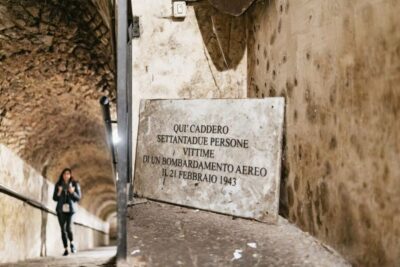
Naples: Naples Underground Entry Ticket and Guided Tour
Read our review →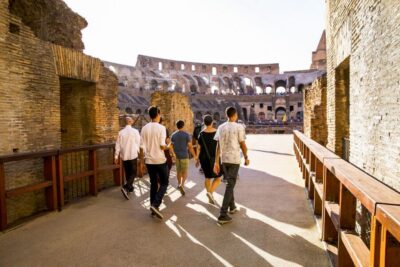
Colosseum: Underground and Ancient Rome Tour
Read our review →
Naples: Catacombs of San Gennaro Entry Ticket & Guided Tour
Read our review →
Matera: Sassi Tour with Cave House and Rupestrian Church
Read our review →
Rome: Capuchin Crypts and Catacombs Tour with Transfers
Read our review →
Naples: Spanish Quarters Underground Guided Tour
Read our review →
Expert Guided Tour of Colosseum Arena OR Underground, and Forum
Read our review →
Lists this cave tour appears in