
Review · SPAIN
Santander: El Castillo Caves & Paleolithic Art Tour
The remarkable part of this Santander day trip is getting close to original Paleolithic paintings in the caves where they were made. El Castillo and Las Monedas are not recreated displays. They are real underground sites, protected as UNESCO World Heritage Sites since 2008, with handprints and animal drawings made thousands of years ago.
I like the small groups, limited to eight, and the easy hotel pickup in a private minivan. I also like the human touch provided by guides such as Pepe, Jairo, Gabriela, and Hana, who have helped explain the Spanish-language cave tours in English. The main drawback is that the museum and village portion can feel rushed, especially if you want a slow look at every display.
Key things to know before you go
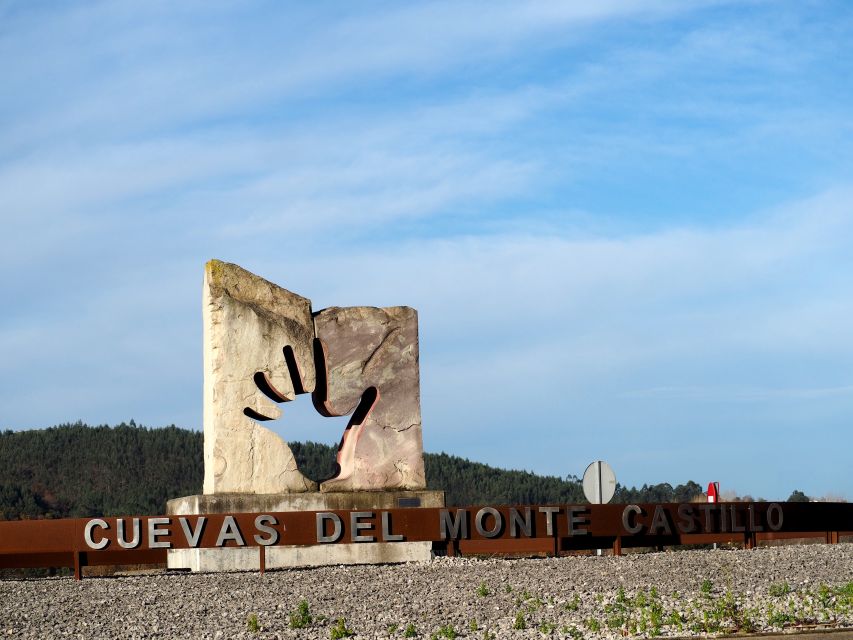
- El Castillo and Las Monedas are original cave sites: You see Paleolithic art in its natural setting, not behind glass in a modern gallery.
- English help is available: The local cave guides conduct visits in Spanish, while the tour leader translates into English.
- The group stays small: A maximum of eight people makes the minivan ride and cave visits more personal.
- Expect stairs and uneven ground: Comfortable, sturdy, non-slip shoes and warm clothing are important.
- The Pasiegos scenery adds variety: You get rivers, valleys, Puente Viesgo, and a photo stop at the Pas River.
- The cultural stop may be brief: The planned visit to the Paleolithic Art Interpretation Centre is worthwhile, but timing can leave little time in the museum or village.
Why El Castillo and Las Monedas are worth your morning
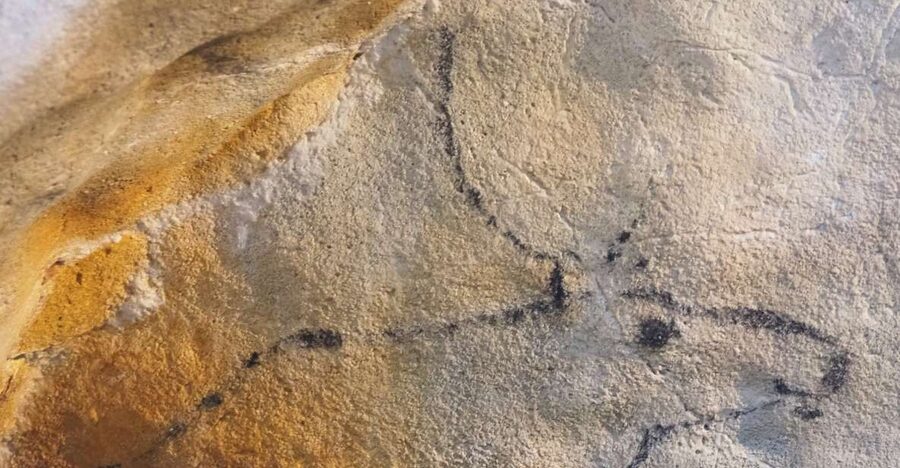
Cave art is often presented in a museum as a photograph, replica, or video. Here, you enter the setting itself. The darkness, rock walls, and underground scale help you understand that Paleolithic art was not made for a modern audience standing behind a barrier. It was created inside a living cave, by people whose handprints and images remain long after their daily lives disappeared.
El Castillo is the larger and better-known stop. Inside, you can see hand stencils and drawings associated with Paleolithic people. The experience is less about checking off a long list of paintings and more about seeing how human marks survive in a place that still feels remote and physical.
Las Monedas gives the tour a useful second chapter. Its formations and painted surfaces offer a different feel from El Castillo, and many people find it especially memorable. Visiting both caves helps you compare them rather than treating one as a quick standalone attraction.
The caves have been designated UNESCO World Heritage Sites for their painted art, but the official label is not what makes the visit special. The value comes from the setting. You are standing where the art was made, with a local cave guide explaining what you are looking at.
Photography is not allowed inside. That may disappoint you for a moment, but it also keeps the visit focused. You will need to rely on memory rather than trying to manage a phone in the dark.
More cave tours around Spain:
- Porto Cristo: Caves of Hams Entry Ticket
★ 4.2 · 6,548 reviews - Mallorca: Caves of Drach Day Trip & Optional Caves of Hams
★ 4.3 · 2,720 reviews - From Málaga: Caves of Nerja, Nerja and Frigiliana Day Tour
★ 4.7 · 2,187 reviews
The ride from Santander to Puente Viesgo
The drive from Santander takes about 40 minutes in a private minivan. Pickup is offered at a long list of Santander hotels and central points, including the Abba Santander Hotel, Hotel Palacio del Mar, Hotel Vincci Puertochico, Hotel Santemar, Hotel Silken Coliseum, Gran Hotel Victoria, and several locations along Castilla Street and the waterfront.
That range of pickup points is useful if you are staying in different parts of the city. The company contacts you the day before to confirm the time and location, so pay attention to that message. One practical warning is worth taking seriously: a pickup mix-up has caused confusion for at least one passenger, who received two different locations and times. Confirm the final instruction rather than relying only on your original booking details.
The minivan format is a strong part of the package. You avoid arranging buses, finding the cave complex on your own, or dealing with parking. The drive also gives your guide time to explain the region and set the scene before you enter the caves.
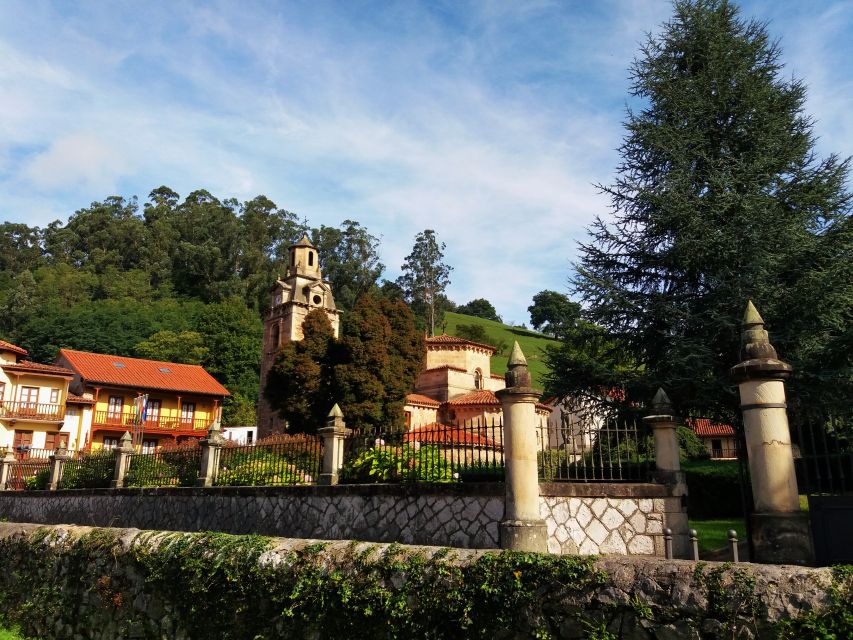
The countryside around Puente Viesgo changes the mood of the trip. The Pas River, wooded valleys, and open Pasiegos scenery make this feel like an outing into Cantabria rather than a single indoor attraction. Do not expect a long scenic drive, though. The focus remains firmly on the caves.
Starting at the Paleolithic Art Interpretation Centre
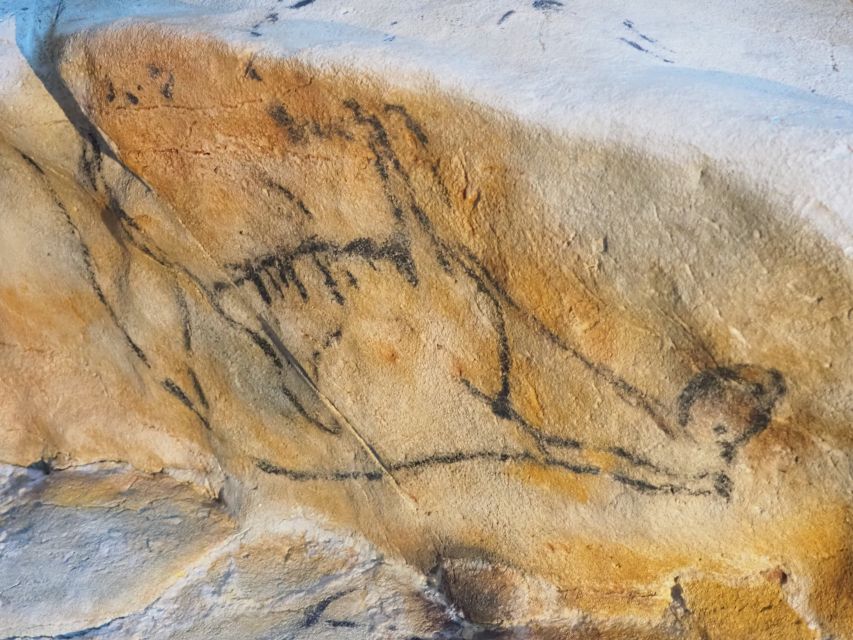
The planned cultural visit begins at the Paleolithic Art Interpretation Centre in Puente Viesgo. This is the place to get an introduction to cave art before seeing the originals. It can help you notice the difference between natural rock shapes, pigment marks, handprints, and animal figures once you reach El Castillo and Las Monedas.
The centre is scheduled for about 40 minutes, though the actual time available can depend on the day’s pace. One passenger found this portion much too short, with only about 10 minutes in the museum and village before the return journey began. If you are especially interested in archaeology, ask your guide early how much time is planned here.
The tour information also highlights Cantabrian ethnographic material and the Ethnographic Museum of Cantabria among the cultural interests of the outing. Since the detailed route names the Paleolithic Art Interpretation Centre, confirm the exact museum stop when you book if that distinction matters to you.
This part of the tour is most useful as preparation. The caves are the main event, but the centre gives you a framework for understanding what you see underground. If your priority is an extended museum visit, this tour may feel too fast. If your priority is entering the caves, the brief introduction is enough to make the paintings more meaningful.
Inside El Castillo: art in its original setting
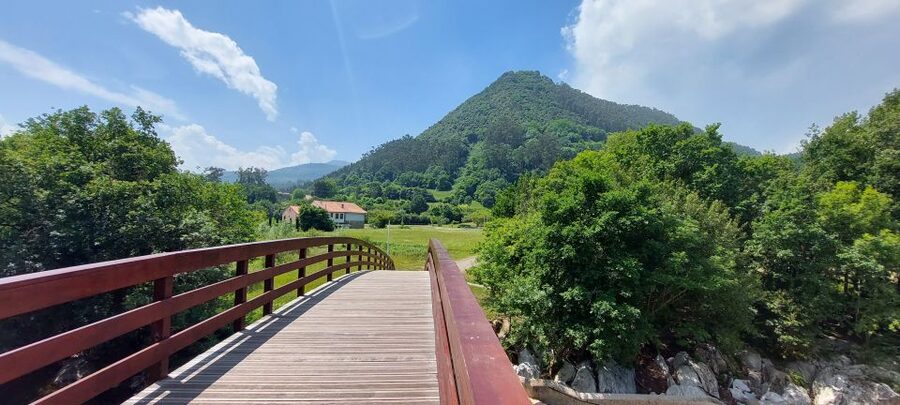
After a short five-minute drive from the centre, you reach El Castillo Mount. The guided visit inside El Castillo takes about 50 minutes to one hour. A local guide leads the cave visit in Spanish, while your tour leader translates into English.
This arrangement works well when the tour leader is confident and attentive. Pepe has been praised for translating patiently and helping with the physical parts of the visit. Jairo has also been noted for giving full explanations while keeping the mood friendly. Gabriela has stepped in to translate when the local guide’s English was not enough. The quality of your English experience depends partly on which guide is working that day, but the tour is designed to provide English support.
Expect a genuine cave environment rather than a polished attraction. The space can be large and cavernous, which may make it easier for people with mild claustrophobia. It is still underground, and the route includes stairs and uneven surfaces. One visitor appreciated help getting down the stairs, so do not treat this as a completely effortless walk.
The handprints are likely to be one of the most striking details. They create a direct human connection across an enormous span of time. You may find yourself thinking less about dates and more about the fact that a person once placed a hand against the same rock.
Same rock, a different way in:
- From Valencia: Caves of San José Guided Excursion and Ticket
★ 4.6 · 1,717 reviews - Nerja: Caves of Nerja Entry Ticket with Audio Guide
★ 4.6 · 1,616 reviews - Mallorca: Kayaking, Sea Cave, Cliff Jumping & Snorkel Tour
★ 4.8 · 1,447 reviews - Ibiza: Snorkeling and SUP Paddle, Beach and Cave Tour
★ 4.7 · 1,264 reviews
The second hour at Las Monedas
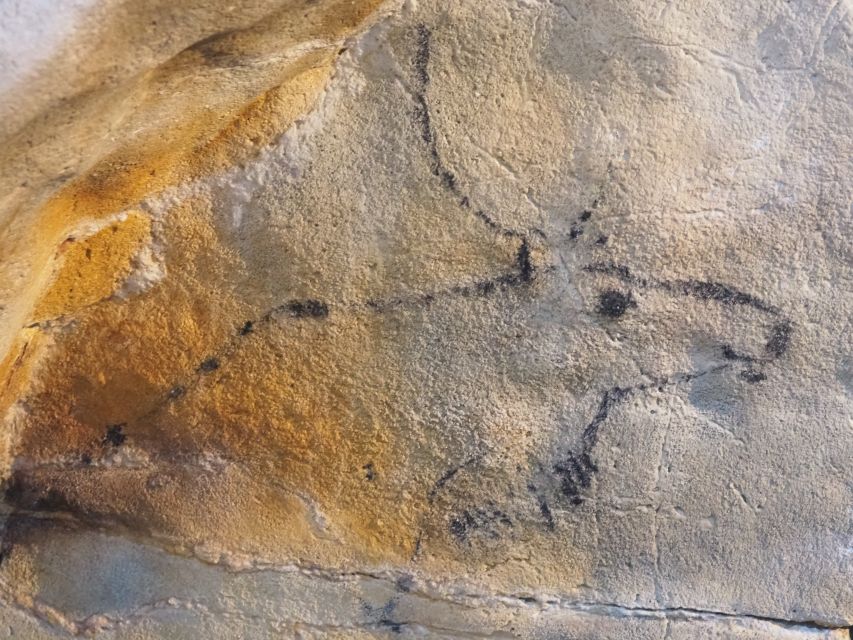
From El Castillo, you walk about 10 minutes to Las Monedas. The second cave visit takes about another hour, including the local guide’s explanation and the English translation.
Las Monedas is not simply a repeat of El Castillo. The two caves have different interiors and different visual character, which is why seeing both is worthwhile. One visitor particularly preferred Las Monedas, so keep an open mind rather than assuming the first cave will automatically be the best.
The walk between the caves is short but adds to the physical demands of the morning. Wear shoes with a firm sole and good grip. A slight level of fitness helps, especially if you are managing stairs, cave surfaces, and a full sequence of walking stops.
The tour is not suitable for people with mobility impairments or pregnant women. That is a clear restriction, not a minor footnote. If you have balance concerns, ask the operator for current details before booking.
Warm clothing is also sensible. Caves can feel cool even when Santander is mild. Bring a layer you can keep on comfortably during the guided visits.
Puente Viesgo, the Pas River, and the Yera waterfall area
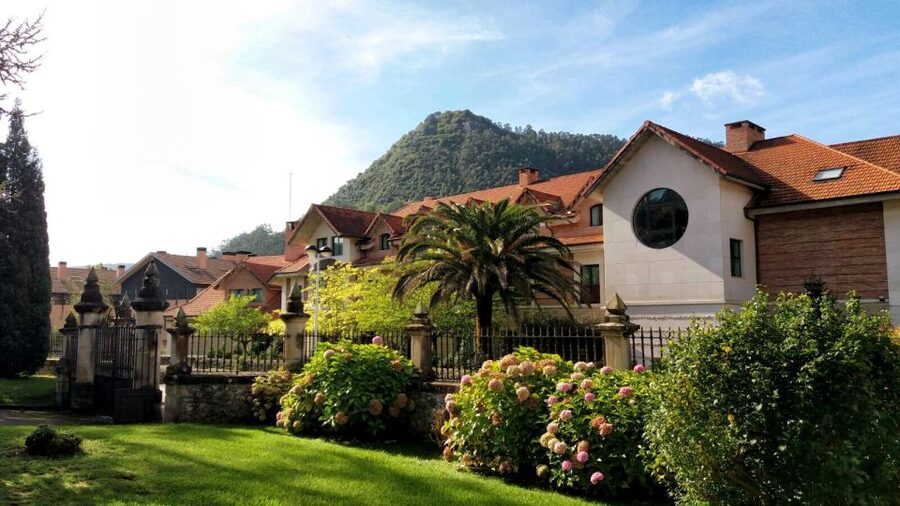
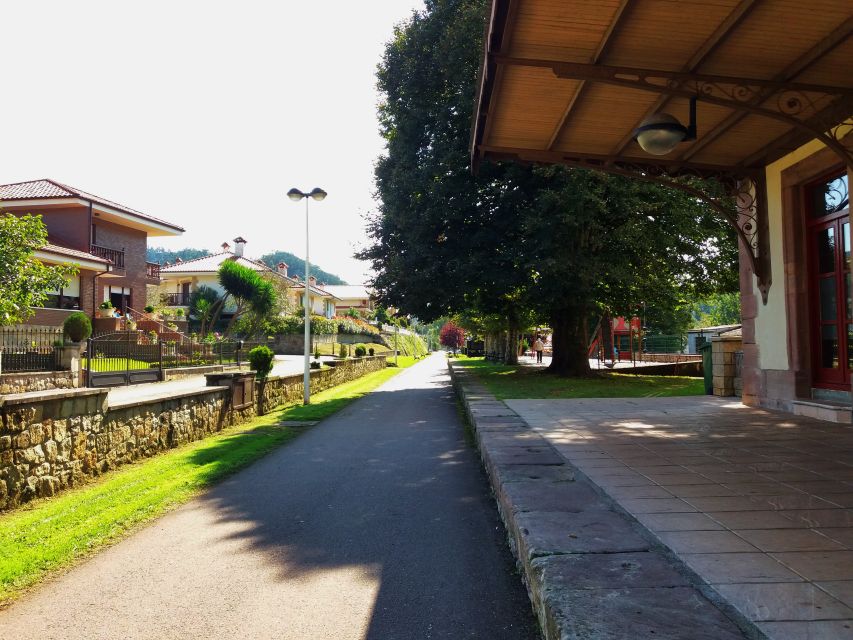
After the caves, the route returns toward Puente Viesgo and the Pas River. A walk through the village gives you views over the river and the surrounding Pasiego valleys. This is a pleasant counterpoint to the enclosed cave visits, with fresh air and open scenery after several hours underground.
The route also includes a photo stop at the Pasarela Río Pas, scheduled for about 10 minutes. The stop is short, so think of it as a chance to stretch, take in the river, and make a few photographs rather than a full riverside walk.
The highlights also refer to the waterfall that gives rise to the Yera River and to the scenery of the Pasiegos fields. These details show the broader character of the outing, but the exact amount of time devoted to them is limited by the five-hour schedule. If you want long walks, extended village time, or a full visit to every cultural stop, you will probably find the pace brisk.
The village itself is an added pleasure. A small church by the river has been singled out as worth seeing, but the stop is not built around a long architectural tour. You get a taste of Puente Viesgo and its setting, not a full afternoon there.
What the $130 price includes
At $130 per person, this is not the cheapest way to see a cave. The price makes more sense once you add up what is covered: hotel pickup and drop-off, a private minivan, driver and tour guide, entrance fees to both caves, entry to the Paleolithic Art Interpretation Centre, and liability insurance.
The private transportation is especially useful from Santander. You do not need to coordinate regional transport, buy separate tickets, or work out how to connect the village and cave sites. The small group also matters. With no more than eight participants, the guide can translate, answer questions, and help keep the group together underground.
The value is strongest for visitors who have only one morning or afternoon available and want the logistics handled. You are paying for access, transport, interpretation, and convenience, not just admission to two caves.
Food and drinks are not included. Bring water and arrange your own meal around the tour. Since the schedule can return you to Santander about 45 minutes earlier than expected, you may have time to eat afterward, but do not count on a substantial food stop during the excursion.
Timing, language, and the small-group feel
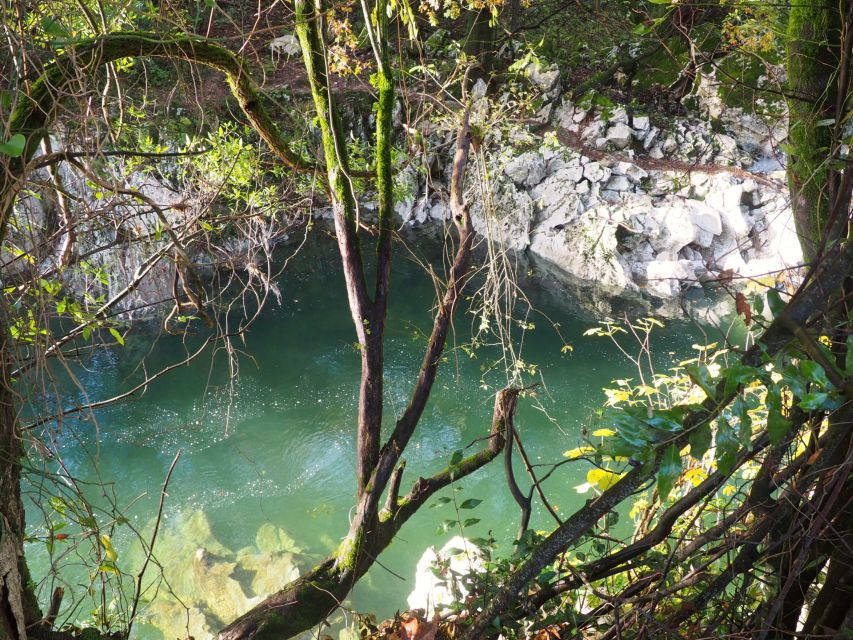
The total duration is advertised as five hours, with several possible starting times depending on availability. The schedule includes roughly 40 minutes to the area, the interpretation centre, the two cave visits, short walks, the river photo stop, and the return to Santander.
The most important timing issue is the balance between the caves and everything else. The cave visits receive the largest share of the day, which is exactly right for most people. The museum and Puente Viesgo portion, however, may be compressed. If those stops matter greatly to you, tell the guide at the beginning.
The language setup deserves a clear explanation. The live tour guide service is available in Spanish and English, but the local cave guides conduct the cave visits in Spanish. Your English-speaking tour leader translates. This has worked very well with Pepe, Gabriela, Jairo, and other attentive guides, but the experience may involve listening to the Spanish explanation and then the translation, so the pace can feel slower.
The small group is a genuine advantage. A group of four or six feels far more manageable inside a cave than a large coach party. It also makes the ride quieter and gives you more room to ask questions about the region.
Who should book this cave tour?
I would choose this tour if you are staying in Santander and want a practical way to visit major Paleolithic sites without renting a car. It suits adults, older children, and teenagers who can handle stairs and walking. One 17-year-old who normally dislikes tours still found the experience worthwhile, which says something about the power of the caves themselves.
It is also a good fit if you care about original archaeological places rather than only museum displays. The guides can make the art understandable, and the translation support removes much of the language barrier.
I would think twice if you need step-free access, dislike enclosed places, or want an unhurried museum and village visit. I would also avoid booking it if your main goal is photography, since cameras are not permitted inside the caves.
Wear sturdy non-slip shoes, bring a warm layer, and keep your schedule flexible. The tour runs in rain or shine, and outdoor portions remain part of the day in poor weather.
Should you book the El Castillo and Las Monedas tour?
Book it if seeing Paleolithic art in its original cave setting is high on your Santander wish list. The combination of small-group transport, two cave entrances, English translation, and a guide who handles the practical details gives this $130 outing solid value.
Book with realistic expectations about the museum and village. The caves receive the attention, while Puente Viesgo and the Pas River provide a short scenic finish. For most people, that is the right balance. If your priority is the caves, this is a memorable and well-organized choice. If you want a leisurely cultural day with long stops and a relaxed lunch, plan a separate visit.
FAQ
How long does the tour last?
The tour lasts about five hours, including transportation from Santander, the interpretation centre, both cave visits, the river photo stop, and the return journey.
Where does pickup take place?
Pickup is available from 18 listed locations in Santander, including several hotels, central waterfront points, Castilla Street, and Centro Comercial Peñacastillo. The company contacts you the day before to reconfirm the time and place.
Are the cave tours available in English?
The local cave guides conduct the visits in Spanish. Your tour leader joins the cave visits and translates the explanations into English.
Which caves do you visit?
You visit the Cave of El Castillo and the Cave of Las Monedas. Each guided visit takes about 50 minutes to one hour.
Is photography allowed inside the caves?
No. Photography is not allowed inside the caves.
What should I wear?
Wear comfortable, sturdy shoes with good grip and bring warm clothing. The route includes walking and stairs.
Is the tour suitable for people with mobility impairments?
No. The tour is not suitable for people with mobility impairments. It is also not suitable for pregnant women.
Are food and drinks included?
No. Food and drinks are not included, so you need to arrange your own refreshments.
Newly added caves around Spain
- Palma: Caves of Genova Ticket & Digital Audio Guide★ 3.9 · 820 reviews
- Calasparra: Almadenes Canyon Rafting with Caves and Rock Art★ 4.7 · 558 reviews
- Mogán: Guided Kayak to Caves and Snorkeling Tour★ 4.6 · 329 reviews
- MENORCA: Kayak cave route + photo session.★ 4.8 · 300 reviews
- Maspalomas: Barranco de las Vacas & Caves with Sky Rebels★ 4.9 · 144 reviews
- Mallorca Marine reserve: Visit caves, cliffs and snorkeling★ 4.5 · 15 reviews
- Mallorca: Aquatic Cave Exploration Guided Tour★ 4.9 · 119 reviews
- Mallorca: Half-day of Natural Wonders at the Drach Caves★ 3.8 · 90 reviews
Spain Cave Tours worth comparing.
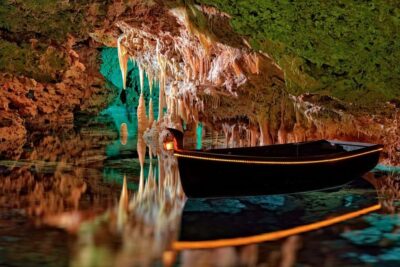
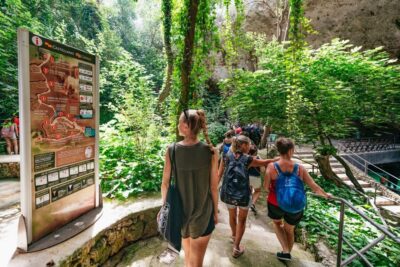
Mallorca: Caves of Drach Day Trip & Optional Caves of Hams
Read our review →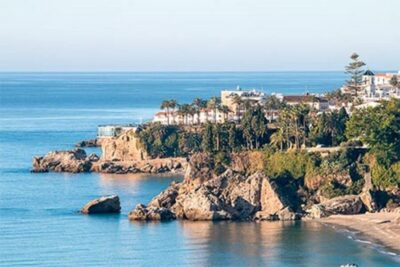
From Málaga: Caves of Nerja, Nerja and Frigiliana Day Tour
Read our review →
From Valencia: Caves of San José Guided Excursion and Ticket
Read our review →
Nerja: Caves of Nerja Entry Ticket with Audio Guide
Read our review →
Mallorca: Kayaking, Sea Cave, Cliff Jumping & Snorkel Tour
Read our review →
Ibiza: Snorkeling and SUP Paddle, Beach and Cave Tour
Read our review →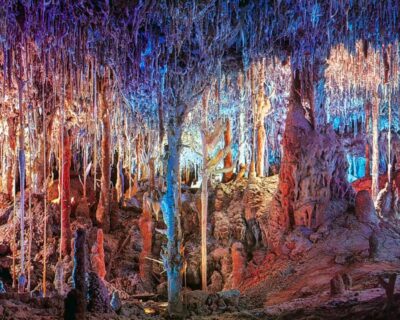
Mallorca: Dinosaurland and Caves of Hams Combined Ticket
Read our review →Lists this cave tour appears in