
Review · AJANTA, ELLORA & ELEPHANTA CAVES
Mumbai: Buddhist Kanheri Caves with Golden Pagoda Temple
The Kanheri Caves turn a patch of forest inside Mumbai into an ancient Buddhist center. More than 100 chambers were cut into black volcanic basalt, including prayer halls, monasteries, meditation cells, stupas, and living quarters. Then the tour shifts from ancient stone to modern spiritual architecture at the Global Vipassana Pagoda near Gorai Beach.
I like the combination of serious history and quiet reflection. I also like the private format, since guides such as Fahad, Hamid, Abdul, and Nadeem can adjust the pace, explain inscriptions, and help with practical details. The main drawback is the walking in hot weather, especially around the caves’ upper sections, so this is not an easy outing for everyone.
Key points to know before booking
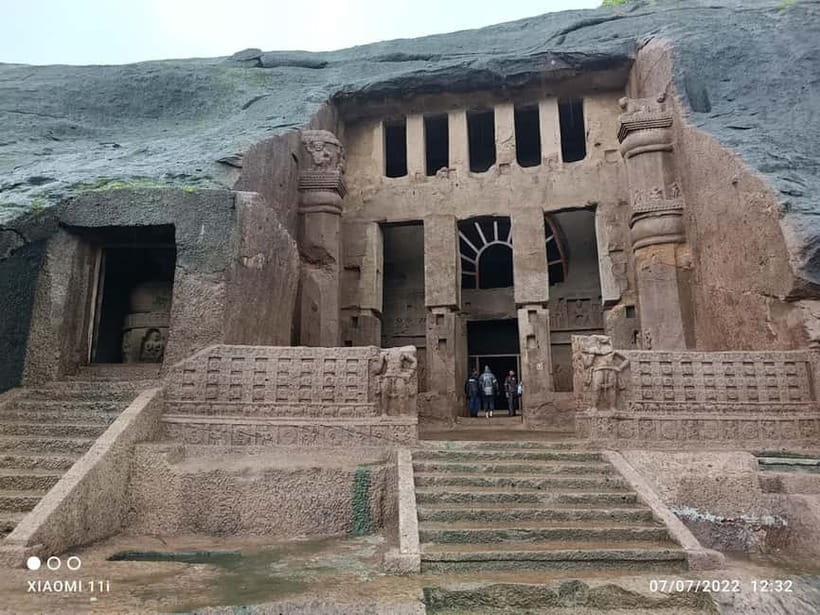
- The caves date from the 1st century BCE: You’ll see prayer halls, stupas, inscriptions, and monastic rooms cut directly into basalt.
- The guide adds real value: On-site information is limited, so a good guide helps you notice carvings, paintings, Brahmi script, and the purpose of each space.
- The pagoda is outside the national park: Choose the option that specifically includes the Global Vipassana Pagoda.
- Air-conditioned transport is included: Hotel pickup and drop-off are available with the selected option.
- Expect a long, warm day: Comfortable shoes matter, and the upper cave areas can feel hot.
- Monday is not an option: Kanheri Caves are closed every Monday.
Why Kanheri Caves are worth your morning
Kanheri is not one polished monument. It is a large working complex carved into rock over many centuries. That makes the visit feel more like reading a settlement than checking off a single shrine.
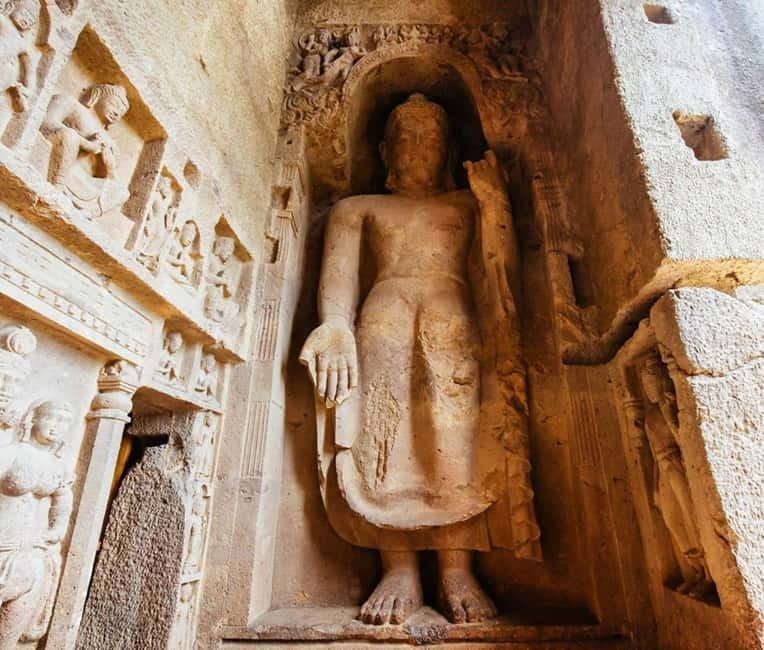
The caves began in the 1st century BCE and served as a center for Buddhist study, worship, and monastic life. As you move through the complex, you can see how practical the site was. Some chambers served as prayer halls. Others were meditation cells, monasteries, residential rooms, or storage areas. Stupas and carved images add the religious focus.
The volcanic basalt gives the site its dark, sturdy character. You are not looking at delicate palace decoration. You are looking at stone shaped by patient labor, with rooms and columns cut into the hillside. The scale helps you understand that this was once a community, not simply a place for occasional ceremonies.
I find the smaller details more rewarding than the first grand view. Look for carvings, old inscriptions, and traces of artistic work that show how Buddhism spread through western India. Ancient Brahmi script appears among the inscriptions. Without guidance, you might walk past it as decoration.
The guide is especially useful here. Fahad has explained Buddhist ideas and individual cave features in detail, while Hamid has focused on the history of the caves and the monk community. Abdul has also been praised for explaining the site clearly and adapting the pace for older family members. Names and guide assignments can vary, but the private format gives you a better chance to ask questions than a large group tour would.
More Ajanta, Ellora and Elephanta Caves in Mumbai:
- Elephanta Caves & Island Guided Private Tour
★ 5.0 · 1,327 reviews - Mumbai: Elephanta Caves Half-Day Guided Tour with Expert
★ 4.8 · 1,032 reviews - All inclusive Elephanta Caves Guided Tour
★ 5.0 · 386 reviews
Prayer halls, cells, and the working life of the caves
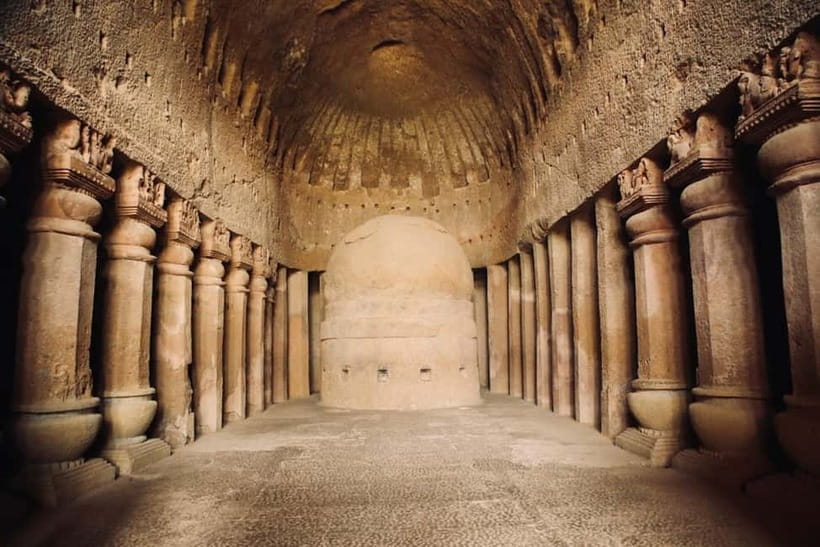
The prayer halls, known as chaityas, are among the most important spaces to understand. These were designed for communal worship and meditation, while the smaller cells had a more private purpose. The contrast tells you something about monastic life: this was a place for both shared religious practice and quiet study.
The viharas, or monasteries, show the residential side of the complex. They help turn an abstract history lesson into something more concrete. Monks did not simply arrive for ceremonies and leave. They lived, studied, meditated, and worked here.
You will also see stupas, halls, sculptures, and inscriptions. Some of the most interesting features can be easy to miss because the site covers so much ground. One guide, Sarah, helped translate some of the writings for a visitor, which is the kind of small service that can make the stone feel more understandable.
The caves also reward patience. You do not need to rush from one chamber to the next. A private group can stop for photographs, listen to an explanation, and move on when you are ready. That flexibility helped one family visit at its own pace when older parents were part of the group.
Still, do not picture a gentle stroll through cool interiors all day. The caves are spread across an area with walking between sections, and the upper parts can be hot. One visitor described the walk as long in the heat, though worthwhile. Wear shoes with a good grip, carry water, and plan for physical effort.
Sanjay Gandhi National Park adds a change of pace
Kanheri Caves are within Sanjay Gandhi National Park, so the park forms the setting for the first half of the outing. The itinerary includes sightseeing and photo stops in the park as well as the caves.
The park matters because it gives the ancient site some breathing room. You are not visiting an isolated stone building surrounded by city streets. You are moving through a protected area before reaching the rock-cut complex. That change from Mumbai’s urban rush to a quieter setting is one of the pleasures of the day.
Do not expect this experience to be a dedicated national park tour. The main purpose is Kanheri Caves, and the park is part of that visit rather than a separate wildlife program. If you want a full nature excursion, this tour may feel too focused on history and religion. If you want a break from central Mumbai without giving up cultural substance, the setting works well.
The optional hotel pickup also helps here. Mumbai traffic can make a simple cross-city trip tiring, especially when you are trying to coordinate an early start. An air-conditioned vehicle and a driver who handles parking and charges remove much of that work.
The Global Vipassana Pagoda near Gorai Beach
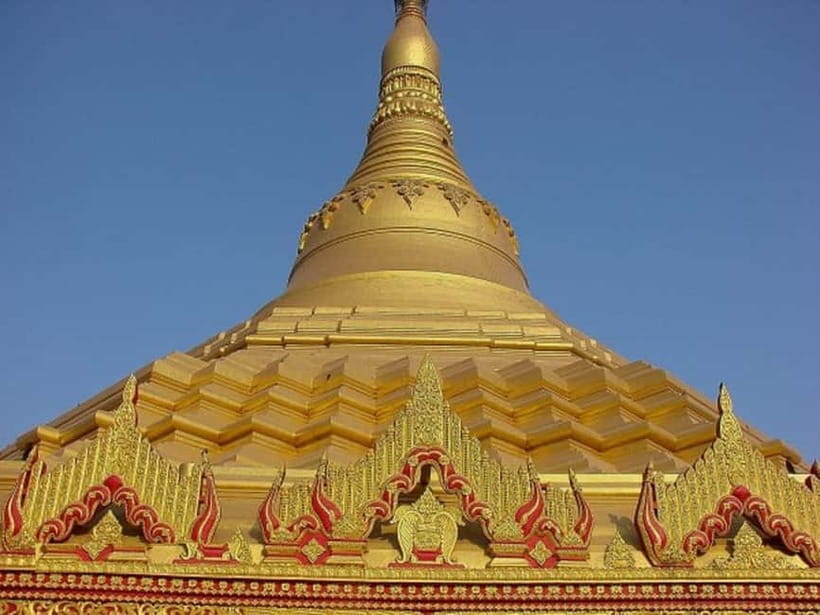
After the caves, the tour goes to the Global Vipassana Pagoda near Gorai Beach. The mood changes quickly. Kanheri presents ancient Buddhist monastic life through rough-hewn rock. The pagoda presents Vipassana meditation in a large modern structure built as a symbol of peace and harmony.
The visit is not only about taking photographs. You learn about Vipassana, its teachings, and its place in Buddhist practice today. That makes the pagoda a useful second chapter after Kanheri. The caves show how Buddhist communities studied and worshipped in western India long ago. The pagoda introduces a living meditation tradition with international reach.
The pagoda is outside Sanjay Gandhi National Park. This detail matters when you book. One visitor expected the pagoda to be included in a different option and discovered that it required the third option. Check the chosen package carefully rather than assuming every version covers both sites.
Dress with the temple visit in mind. One guide team helped arrange coverage for shorts because clothing that does not cover the legs is not allowed inside the temple. The supplied details do not state a complete dress code, so modest clothing is the sensible choice.
The pagoda can feel like a major architectural contrast to the caves. At Kanheri, the focus is on age, excavation, and the marks left by monks and craftsmen. At the pagoda, the focus is on meditation, peace, and a modern expression of Buddhist values. You get more from the stop if you listen to the explanation instead of treating it as a quick photo stop.
More cave tours around Mumbai:
- From Mumbai: Half-Day Elephanta Caves Tour with Ferry Ride
★ 4.9 · 284 reviews - Mumbai: City Tour, Elephanta Caves, Dharavi Slum W/Options
★ 4.9 · 198 reviews - Mumbai: Kanheri Caves and The Golden Pagoda Temple
★ 4.7 · 108 reviews - Elephanta Caves & Island Guided Tour
★ 4.8 · 59 reviews
What the private guide changes
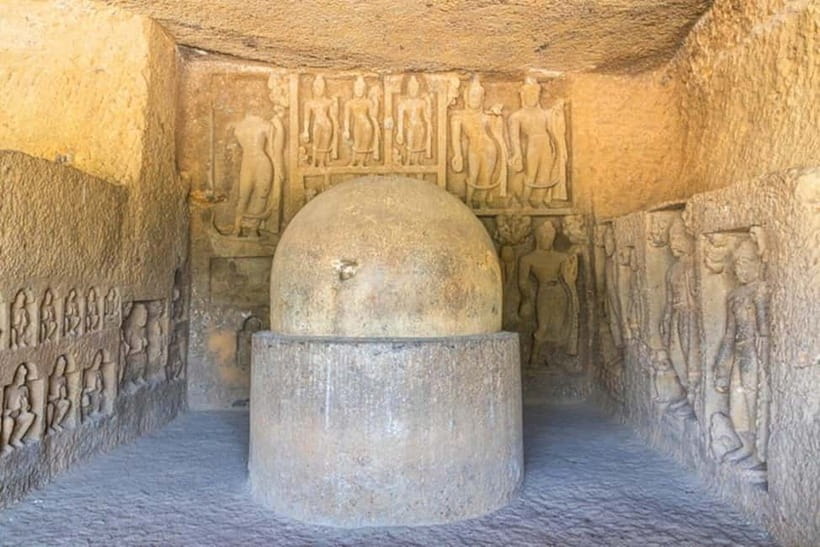
The strongest part of this experience is the human explanation. The caves have plenty to see, but little on-site information is available. You could visit independently and enjoy the setting, yet you would likely miss the meaning of several carvings, paintings, inscriptions, and room layouts.
A private English-speaking guide also lets you shape the conversation. Ask about the monk community, the spread of Buddhism in western India, the difference between prayer halls and meditation cells, or the relationship between the old caves and modern Vipassana practice.
Guides named in the feedback include Fahad, Hamid, Abdul, Nadeem, Sharon, Deepa, Faiza, and Salma. Fahad receives repeated praise for clear explanations, patience, photography, and answering questions. Hamid is described as friendly and strong on cave history. Abdul has been especially attentive to family groups and personal pace. Nadeem remembered a preference for coffee and helped make a tiring day more comfortable.
That level of service is not guaranteed to come from one particular guide, since assignments can change. Still, the private structure is important. You are not being carried through a fixed script with a large crowd. The group can pause, ask questions, and spend more time where your interest is strongest.
Transport, timing, and the real value of $28
The listed price is $28 per person. For a private outing with air-conditioned transport, a guide, entry ticket, bottled water, parking, and other stated charges, that is a fair price if you want both major sites in one day.
The value is less clear if you only want to see Kanheri and already know the history. Independent transport may cost less in some circumstances, but you would still need to handle the route, entry, and navigation. The guide is the part that makes the price easier to justify. Several cave features are not obvious without explanation.
The duration ranges from 4 to 8 hours. That is a wide window, so check the available start time and selected option before paying. The length will depend on your starting point, traffic, time at the caves, and whether the pagoda is included.
Early pickup is useful. The caves can become tiring in heat, and starting early gives you a better chance of reaching them before the day feels punishing. Hotel pickup is optional, so confirm that you have chosen the pickup version if you want door-to-door service.
The tour is a private group, not a shared coach outing. That matters for couples, families, and small groups who want control over the pace. The transport received a perfect score from 87 percent of the people rating it, which supports the practical side of the experience, though traffic and road conditions are never fully predictable in Mumbai.
Heat, walking, and who should skip it
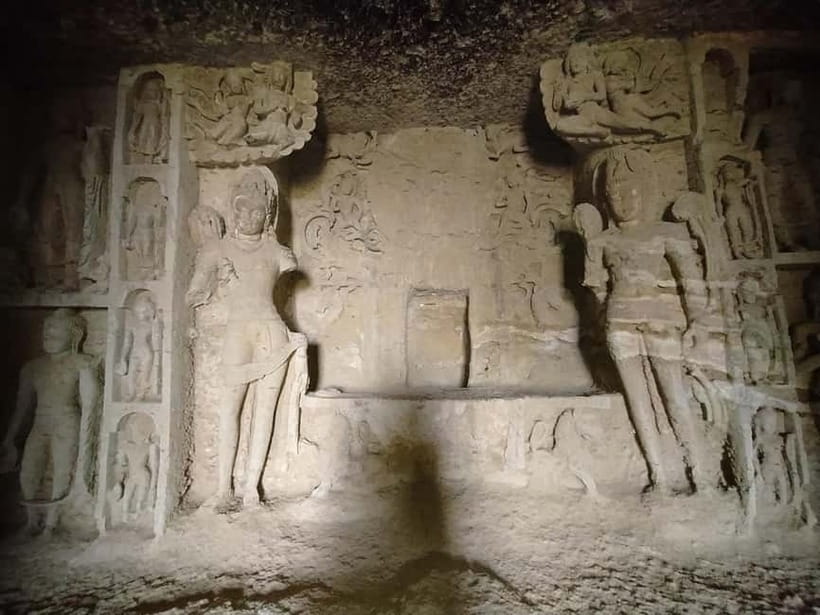
Comfortable shoes are essential. You will walk around the cave complex, move between rock-cut spaces, and may climb toward higher sections for views. The walking is not just a short path from a parking area to one chamber.
Heat is the main physical issue. The caves can offer cool relief in some sections, but exposed paths and higher areas may feel hot. Bring water, use sun protection, and avoid treating this as a light museum visit.
The experience is not suitable for pregnant women according to the stated guidance. It may also be a poor match for anyone who cannot manage extended walking in warm conditions. Families with older adults can still enjoy it if the group moves slowly, as the private format allows more control.
Pets are not allowed. Kanheri Caves are closed every Monday, so build your Mumbai plans around that restriction.
Booking details that actually matter
You can cancel up to 24 hours before the activity for a full refund, and the reserve-now, pay-later option keeps your plans flexible. Starting times depend on availability.
There is a separate entrance for a skip-the-line arrangement. Entry tickets and parking charges are included, along with bottled water. Pickup and drop-off are included only when that option is selected.
The available language is English. If you want both Kanheri and the Global Vipassana Pagoda, make sure the selected option names both sites. The drop-off choices include Mumbai and the Sanjay Gandhi National Park ticket counter, depending on the arrangement you book.
Should you book this Mumbai Buddhist sites tour?
Book it if you want more than photographs. Kanheri rewards explanation, and the Global Vipassana Pagoda adds a modern meditation focus that makes the day feel connected rather than random. The private transport is also useful when you have limited time in Mumbai or do not want to solve the route yourself.
I would choose this tour for a first visit to Kanheri, for families who need a flexible pace, and for anyone interested in Buddhist art, meditation, or India’s religious history. I would skip it if you dislike walking in heat, want a short city activity, or prefer to explore every site independently.
Choose an early start, wear practical shoes, dress modestly for the pagoda, and confirm the option that includes both stops. With those details handled, the tour gives you an unusually strong contrast: ancient monks’ rooms carved into basalt, followed by a modern monument devoted to meditation and peace.
FAQ
How long does the Kanheri Caves and Golden Pagoda tour last?
The activity lasts between 4 and 8 hours. The exact duration depends on the available starting time, pickup location, traffic, and selected option.
Is hotel pickup included?
Hotel pickup and drop-off are available when you select the pickup option. Pickup is optional rather than included in every version.
Is the Global Vipassana Pagoda included in every option?
No. The pagoda is outside Sanjay Gandhi National Park, and you should choose the option that specifically includes it. One available option may cover the caves without the pagoda.
Which days are the Kanheri Caves closed?
Kanheri Caves are closed every Monday.
What language is the guided tour offered in?
The live tour guide service is offered in English.
What should I bring, and are there restrictions?
Bring comfortable shoes because the visit involves walking around the cave complex. Pets are not allowed, and clothing that does not cover the legs is not allowed inside the temple. Pregnant women should not book this activity.
Newly added caves around Mumbai
- Mumbai: Kanheri Caves and The Golden Pagoda Temple★ 4.7 · 108 reviews
- Mumbai City Tour with multiple options★ 4.5 · 27 reviews
- Mumbai: City Tour, Elephanta Caves, Dharavi Slum W/Options★ 4.9 · 198 reviews
- Mumbai: Exclusive Full-Day City Tour with Optional Caves★ 4.9 · 16 reviews
- Elephanta caves tour in Mumbai – Group & Private Options★ 4.2 · 14 reviews
- Elephanta Cave Tour with Bollywood Tour★ 4.0 · 18 reviews
- Elephanta Caves & Island Guided Tour★ 4.8 · 59 reviews
- Mumbai Kanheri Caves & Golden Pagoda – A Buddhist Settlement★ 5.0 · 28 reviews
Ajanta, Ellora & Elephanta Caves worth comparing.
Mumbai: Elephanta Caves Half-Day Guided Tour with Expert
Read our review →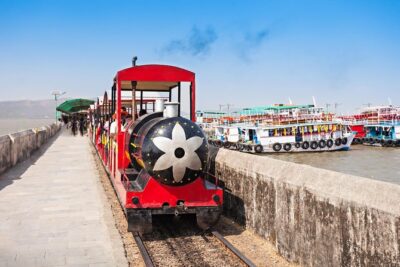
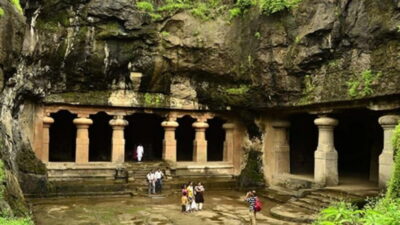
From Mumbai: Half-Day Elephanta Caves Tour with Ferry Ride
Read our review →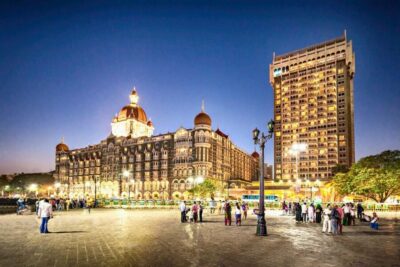
Mumbai: City Tour, Elephanta Caves, Dharavi Slum W/Options
Read our review →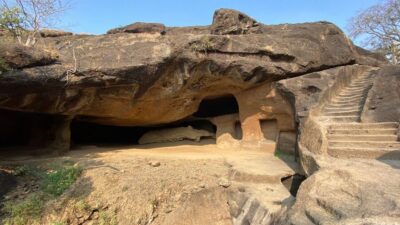
Mumbai: Kanheri Caves and The Golden Pagoda Temple
Read our review →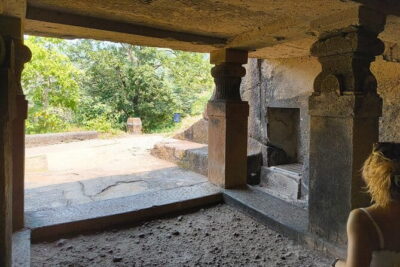
Mumbai Kanheri Caves & Golden Pagoda – A Buddhist Settlement
Read our review →
Lists this cave tour appears in