
Review · SPAIN
Guided Tour of Toledo Underground
Toledo keeps much of its story below street level. In two hours, this walking tour takes you into an Arab hammam, a Jewish mikvah, Roman baths, a water system, and the only preserved dungeons of the city’s Holy Brotherhood. It is a fine way to see how ordinary life worked across Toledo’s three major cultures.
I like the exclusive access to places that require an accredited guide, and I like the tight route linking five very different sites. Guides such as Mónica are praised for clear, lively storytelling and a talent for making stone rooms feel connected to real people. The main drawback is practical: the tour is in Spanish, includes uneven underground spaces, and is not suitable for wheelchair users or people with mobility impairments.
Key points to know before you book
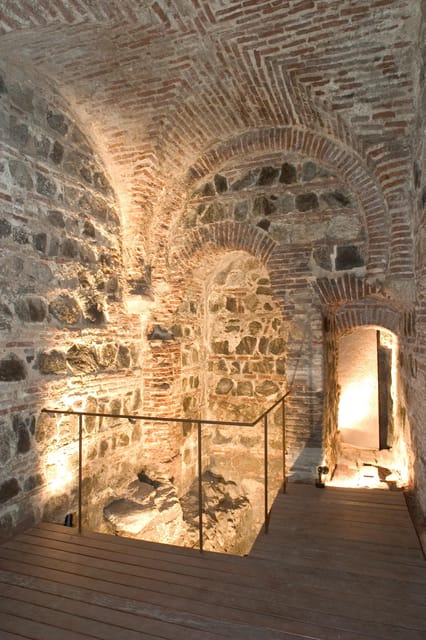
- Five underground sites in two hours: Arab baths, a Jewish mikvah, a well-cistern, Roman baths, and medieval dungeons.
- A Spanish-speaking official guide: Mónica is singled out for her clear voice, humor, and ability to create vivid historical scenes.
- A useful look at daily life: The tour focuses on hygiene, water, religion, punishment, and social customs, not just dates and buildings.
- A central starting point: Meet at Plaza de Zocodover, find the green flag, and arrive 15 minutes early.
- Good value at $15: You get guided entry to five sites, including spaces you cannot visit independently.
- Important limits: The tour requires at least four people, does not allow audio recording, and is not accessible for wheelchair users.
Toledo’s story begins below the pavement
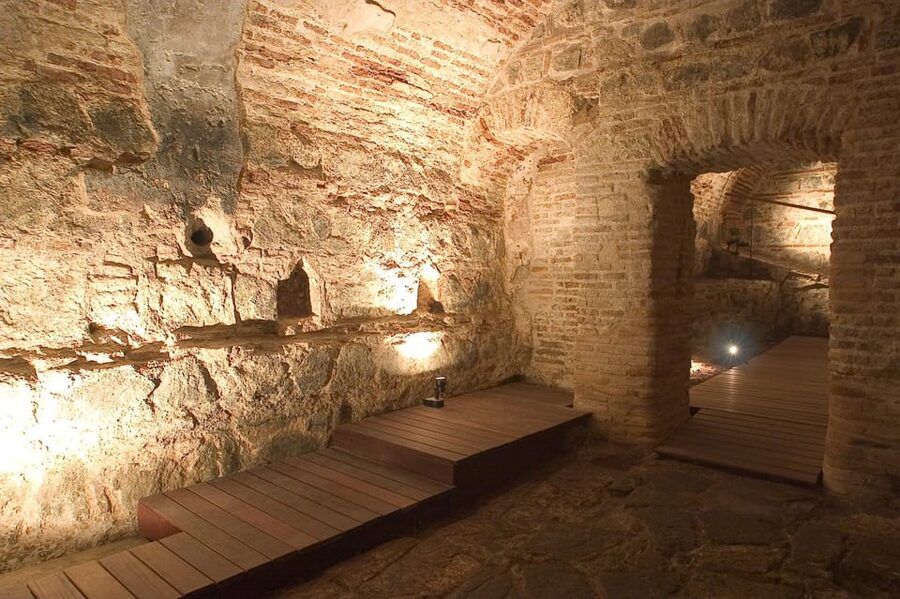
Toledo is often admired from its viewpoints and stone lanes, but the city’s underground rooms explain how it functioned day by day. Water had to be collected and stored. Bathhouses served practical, religious, and social purposes. Prisoners were held beneath a medieval building, while Roman residents used large bathing complexes long before the city became a medieval capital.
That makes this tour different from a standard old-town walk. You are not simply looking at grand churches, gates, and palaces from outside. You are entering smaller spaces where the focus shifts to ordinary routines and shared needs.
The route also gives you a compact introduction to Toledo’s Roman, Muslim, Jewish, and Christian past. The title Three Cultures is not just a slogan here. Each stop shows how a particular community used space, water, ritual, or authority.
The tour costs $15 per person. For that price, five admissions and an official guide make good sense, especially because some of the sites are not open for casual, independent visits. You are paying less for a long walk than for access and interpretation. Without the guide, several of these places would be easy to miss or difficult to understand.
Guided tours around Spain:
- From Valencia: Caves of San José Guided Excursion and Ticket
★ 4.6 · 1,717 reviews - Nerja: Caves of Nerja Entry Ticket with Audio Guide
★ 4.6 · 1,616 reviews - Palma: Caves of Genova Ticket & Digital Audio Guide
★ 3.9 · 820 reviews
Start at Plaza de Zocodover with the green flag
The meeting point is Plaza de Zocodover, Toledo’s central gathering place. It is a practical starting point because the square is easy to identify, but it can also be busy and confusing if you arrive at the last moment. I would get there at least 15 minutes early and look for the green flag carried by the guide.
The route ends at Plaza Amador de los Ríos, so you will not finish where you began. That is useful if you are planning to continue through the old town rather than return to your starting point.
The full experience lasts about two hours. Each of the five main stops is allotted roughly 20 minutes, with walking between them. That timing keeps the tour moving, though it also means you should not expect a long, quiet examination of every room. The guide’s explanation is central to the experience.
The tour operates with a minimum of four people. If you are arranging your day around it, check that the departure is confirmed. Free cancellation is available up to 24 hours before the start, and you can reserve without paying immediately.
The Posada de la Hermandad and Toledo’s medieval jail
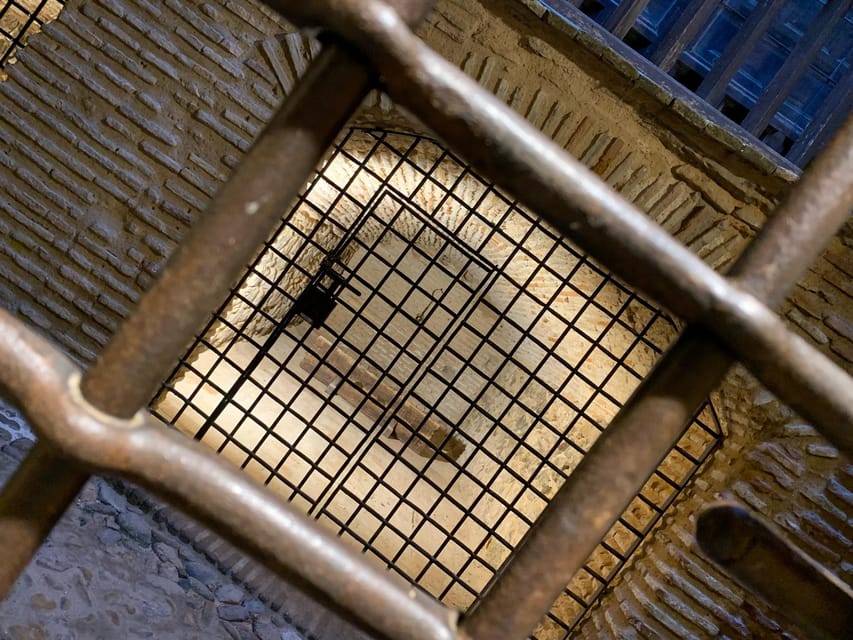
The first underground stop is the Posada de la Hermandad, home to the preserved dungeons of the Holy Brotherhood. These are described as the only surviving dungeons of their kind in Toledo, giving the opening stop a strong sense of place.
Here, the subject is not medieval kings or military victories. The guide focuses on prisoners, jail routines, and the people who guarded them. You will hear about the Mangas Verdes, the famous jailers associated with the site.
This is a useful reminder that a city’s past includes systems of control as well as art and architecture. The dungeons put the medieval period at ground level, or rather below it. The rooms help you picture how justice and imprisonment worked for people who had no power of their own.
The stop is short, so listen closely. A good guide can turn a bare chamber into a human story, while a rushed explanation might leave you with little more than a gloomy room. Mónica receives especially strong praise for her ability to create that sense of place, with a clear voice and an engaging way of explaining the past.
The Baños del Cenizal and the Muslim city of Tulaytula
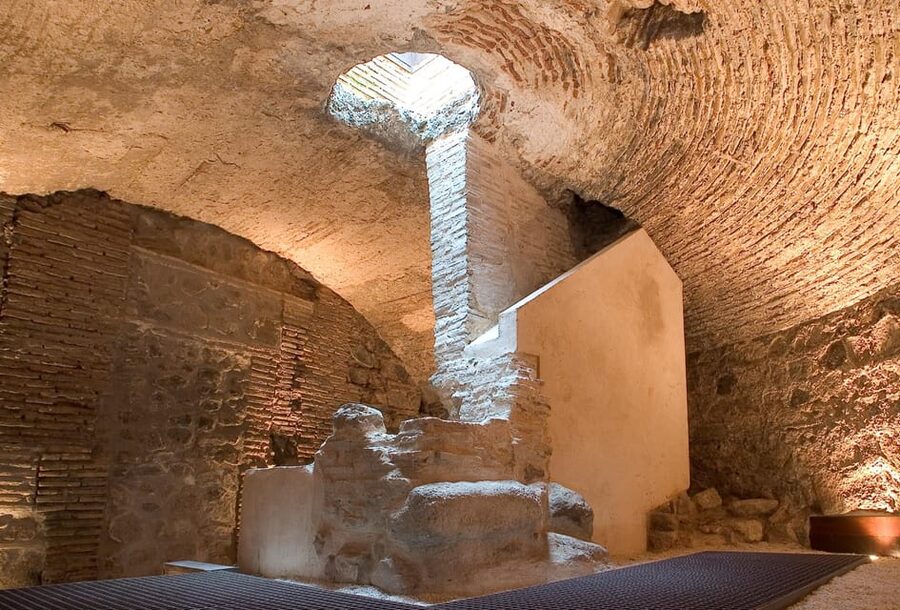
Next, you enter the Baños del Cenizal, an Arab bath complex connected with Muslim Toledo, known then as Tulaytula. The site takes you back to the 10th century, when baths were much more than a place to wash.
The guide explains hygiene practices, religious customs, and the social role of the hammam. That combination matters. Bathing could relate to cleanliness before prayer, but the bathhouse also formed part of public life. A room built for water and steam tells you something about daily schedules, community habits, and ideas about the body.
This is one of the tour’s most atmospheric stops, though the experience depends heavily on the explanation. Underground bath remains may not look dramatic at first glance. You may see walls, arches, and traces of the old arrangement rather than a fully reconstructed bathhouse.
That is where the guide’s storytelling earns its keep. You need someone to explain how the rooms worked and what happened in them. The best part is not simply seeing the stones, but understanding why they were there.
The baths also add balance to the tour. After the dungeons, you move from punishment to public life. The route shows Muslim Toledo through practical habits rather than only through monuments or political history.
Same rock, a different way in:
- Porto Cristo: Caves of Hams Entry Ticket
★ 4.2 · 6,548 reviews - Mallorca: Caves of Drach Day Trip & Optional Caves of Hams
★ 4.3 · 2,720 reviews - From Málaga: Caves of Nerja, Nerja and Frigiliana Day Tour
★ 4.7 · 2,187 reviews - Mallorca: Kayaking, Sea Cave, Cliff Jumping & Snorkel Tour
★ 4.8 · 1,447 reviews
The Pozo del Salvador and Toledo’s water problem
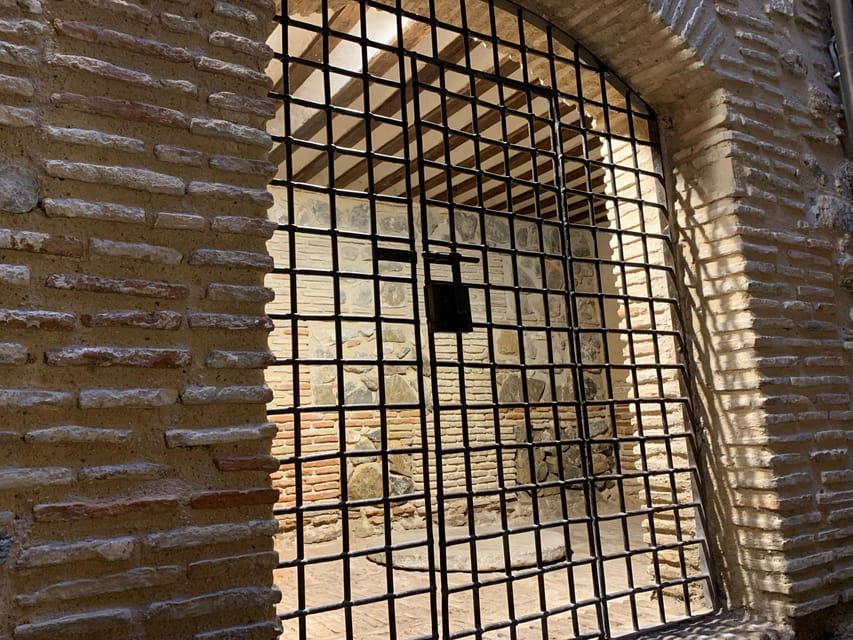
At Plaza del Salvador, you visit the Pozo del Salvador. This stop explores the difference between a well and a cistern, two basic but important ways of obtaining and storing drinking water.
Toledo rises on a rocky site, and water supply has always been a practical concern. The guide explains how people managed shortages during droughts and how a city built at the top of the rock dealt with the need for safe water.
This may be the least instantly dramatic stop, but it gives the tour some of its best everyday context. A palace can tell you who held power. A cistern can tell you how a household or neighborhood survived.
Pay attention to the distinction between drawing water from a well and storing collected water in a cistern. That small technical point helps explain the city’s water planning. It also shows why underground spaces were so useful in a dry climate.
The site is a good fit for you if you enjoy the practical side of history. If you prefer grand decoration or large archaeological displays, this stop may feel modest. Still, it is exactly the kind of detail that helps you understand how Toledo functioned beyond its famous monuments.
The Casa del Judío and a 14th-century mikvah
The route then enters Toledo’s Jewish Quarter and the Casa del Judío, where you will see a mikvah dating from the 14th century. A mikvah is a Jewish ritual bath, and this stop brings religious practice into the tour in a direct, physical way.
The space connects the Jewish community with water, ritual, and household or communal life. The guide also brings in the legends linked with the building, giving you a blend of documented history and local storytelling.
This is one of the tour’s most distinctive sites because it is not simply another bath. The purpose and meaning of the water were different, and understanding that difference helps you avoid flattening Toledo’s communities into one general medieval culture.
The Casa del Judío also works well within the route’s wider theme. At the Arab baths, water served hygiene, religious preparation, and social life. At the mikvah, water carried a specific ritual role within Jewish tradition. The tour lets you compare these uses without needing a long lecture.
The room may be small, and the visit lasts only about 20 minutes. I would not expect a large museum-style display or a fully restored complex. What you get instead is a focused stop with a strong connection to Toledo’s Jewish past.
The Roman Baths of Toletum finish the route
The final stop is the Roman Baths of Toletum, described as among the largest bathing complexes in Hispania. This gives the tour an impressive chronological finish. You begin with medieval Christian dungeons, pass through Muslim and Jewish spaces, and end with Roman public architecture.
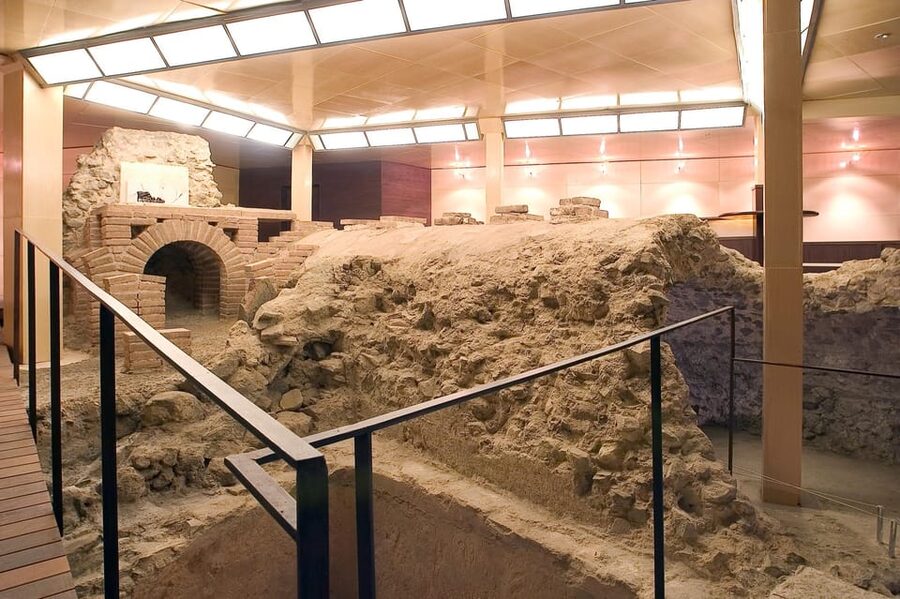
The Roman baths show that Toledo’s underground story began long before the Middle Ages. Roman bathing was tied to public life, leisure, hygiene, and the organization of a major city. The scale of the remains helps you picture Toletum as a place with substantial civic facilities.
As with the Arab baths, the remains need explanation. Ruins rarely explain their own purpose. You may see foundations and structural traces rather than a complete Roman bath ready for use. A strong guide helps you picture the sequence of rooms and the role the complex played in Roman society.
Ending here also makes the route feel broader than a medieval tour. You are not just moving through five isolated basements. You are tracing different layers of Toledo, with water as the thread linking Roman, Muslim, Jewish, and Christian life.
The tour finishes at Plaza Amador de los Ríos. From there, you can continue exploring Toledo on foot, though the activity does not include transportation back to Plaza de Zocodover.
What makes the guiding so important
This tour is only as good as its guide. The sites are compact, often underground, and not always visually obvious. You need clear explanations to understand what you are seeing and why it matters.
Mónica receives especially warm praise for her professional approach, pleasant voice, humor, and ability to build a story around each location. The strongest descriptions of her work focus on evocation, meaning she helps you picture the people who used these spaces rather than simply listing facts.
The official language is Spanish. Some content is presented in its original language, so this is best for you if you can follow a Spanish-language explanation. The supplied information does not promise an English option, so confirm the language before booking if Spanish is not comfortable for you.
Audio recording is not allowed. Bring your attention instead. Because the tour moves through several locations, a written list of dates will not be the main reward. You will gain more from listening to how the guide links water, ritual, bathing, punishment, and city life.
Is $15 a fair price?
At $15, this is a strong-value experience if you want access to places that are difficult to visit alone. Five underground sites would be a lot to arrange independently, and the official guide adds the context that makes the rooms worthwhile.
The price is especially fair for visitors who have already seen Toledo’s major churches and viewpoints and want something less obvious. It also works well for a first visit because the route introduces several periods without taking up a full day.
There are limits. Two hours is not enough for long visits at each site, and you will be walking through old-city streets between stops. The tour is not suitable for wheelchair users or people with mobility impairments. The supplied information does not give a specific stair count or surface description, so you should ask the provider if you have concerns about steps, narrow passages, or uneven floors.
The minimum group size is four people. That condition may matter if you are visiting in a quiet season or have a fixed schedule.
Who should take this Toledo underground tour?
I would recommend it to you if you:
- Want a focused introduction to Toledo’s Roman, Muslim, Jewish, and medieval Christian past.
- Prefer daily life and practical history to a parade of famous buildings.
- Can follow a Spanish-speaking guide.
- Are comfortable walking through old streets and underground spaces.
- Want guided access to five locations for a modest price.
- Have at least one night in Toledo and time to look beyond the main sights.
I would choose a different activity if you need wheelchair access, dislike enclosed or uneven spaces, or want a tour in English. You may also find the pace quick if you want to linger at archaeological remains and take extensive notes.
Should you book the Toledo Underground tour?
Book this tour if you want to understand how Toledo worked from below: how people bathed, stored water, practiced ritual, handled prisoners, and built public facilities. The five stops are varied enough to keep the two hours lively, and the $15 price is reasonable for guided entry to restricted spaces.
The best reason to go is the combination of access and storytelling. Mónica and other official guides can turn modest archaeological remains into scenes from daily life. Just confirm that Spanish suits you, arrive early at Plaza de Zocodover, look for the green flag, and be ready for an active walk through historic underground sites.
FAQ
How long does the Toledo Underground tour last?
The tour lasts two hours, including visits to five underground sites and the walks between them.
How much does the tour cost?
The price is $15 per person.
Where does the tour meet?
The meeting point is Plaza de Zocodover in Toledo. Look for the guide carrying a green flag.
How early should I arrive?
You should arrive 15 minutes before the scheduled start time.
Where does the tour finish?
The tour finishes at Plaza Amador de los Ríos.
Which sites are included?
The route includes the dungeons of the Posada de la Hermandad, the Arab Baths of Cenizal, the Pozo del Salvador, the mikvah at the Casa del Judío, and the Roman Baths of Toletum.
What language is the tour in?
The live tour guide speaks Spanish. Some content is shown in its original language.
Is the tour suitable for wheelchair users?
No. The tour is not suitable for wheelchair users or people with mobility impairments.
Can I cancel the booking?
You can cancel up to 24 hours before the tour for a full refund. You can also reserve now and pay later.
Newly added caves around Spain
- Palma: Caves of Genova Ticket & Digital Audio Guide★ 3.9 · 820 reviews
- Calasparra: Almadenes Canyon Rafting with Caves and Rock Art★ 4.7 · 558 reviews
- Mogán: Guided Kayak to Caves and Snorkeling Tour★ 4.6 · 329 reviews
- MENORCA: Kayak cave route + photo session.★ 4.8 · 300 reviews
- Maspalomas: Barranco de las Vacas & Caves with Sky Rebels★ 4.9 · 144 reviews
- Mallorca Marine reserve: Visit caves, cliffs and snorkeling★ 4.5 · 15 reviews
- Mallorca: Aquatic Cave Exploration Guided Tour★ 4.9 · 119 reviews
- Mallorca: Half-day of Natural Wonders at the Drach Caves★ 3.8 · 90 reviews
Spain Cave Tours worth comparing.
Mallorca: Caves of Drach Day Trip & Optional Caves of Hams
Read our review →
From Málaga: Caves of Nerja, Nerja and Frigiliana Day Tour
Read our review →
From Valencia: Caves of San José Guided Excursion and Ticket
Read our review →
Nerja: Caves of Nerja Entry Ticket with Audio Guide
Read our review →
Mallorca: Kayaking, Sea Cave, Cliff Jumping & Snorkel Tour
Read our review →
Ibiza: Snorkeling and SUP Paddle, Beach and Cave Tour
Read our review →
Mallorca: Dinosaurland and Caves of Hams Combined Ticket
Read our review →Lists this cave tour appears in