
Review · CAPPADOCIA
Goreme: Whirling Dervishes Show in Historical Cave
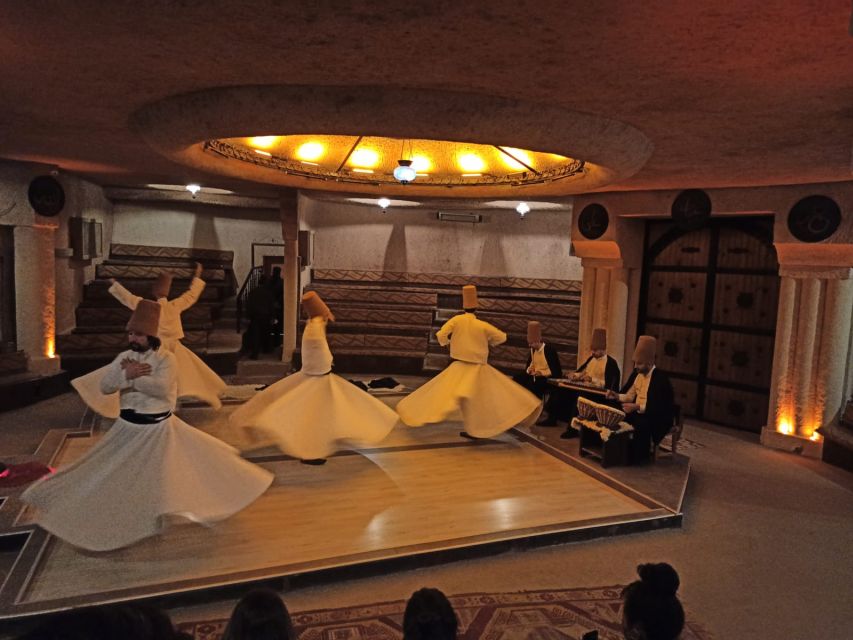
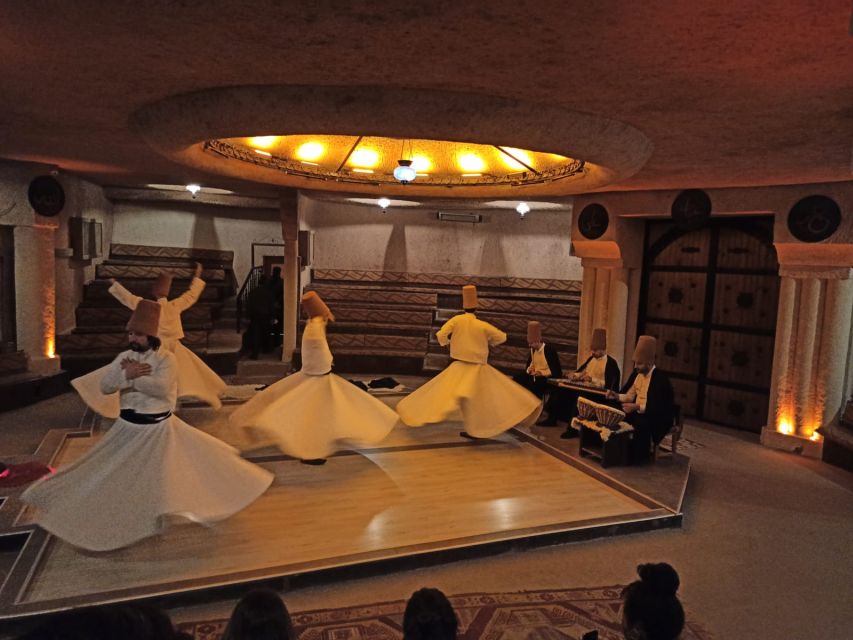
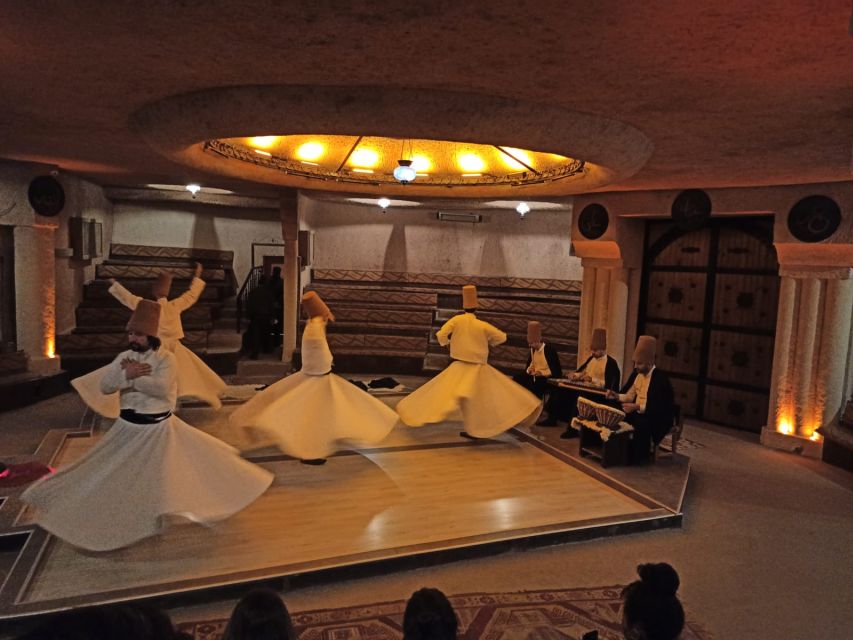
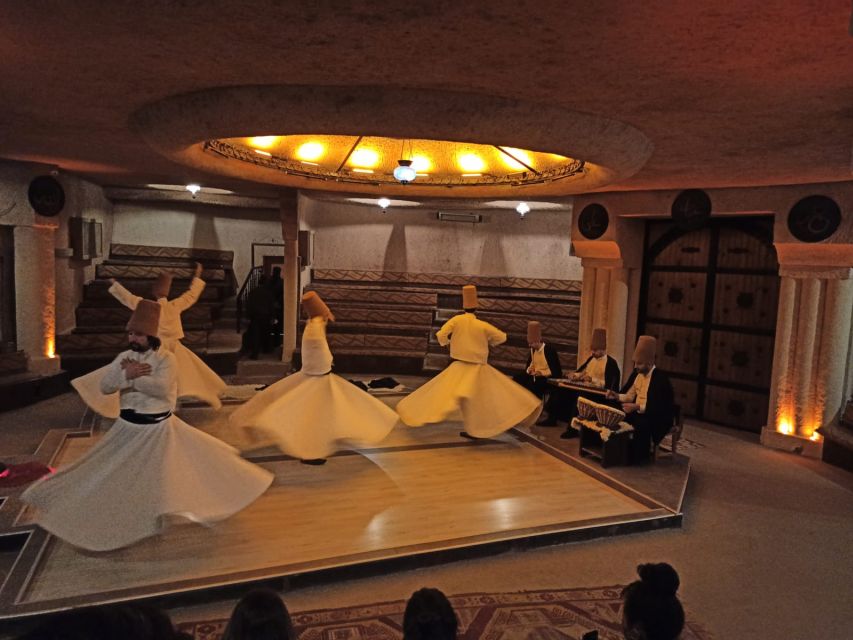
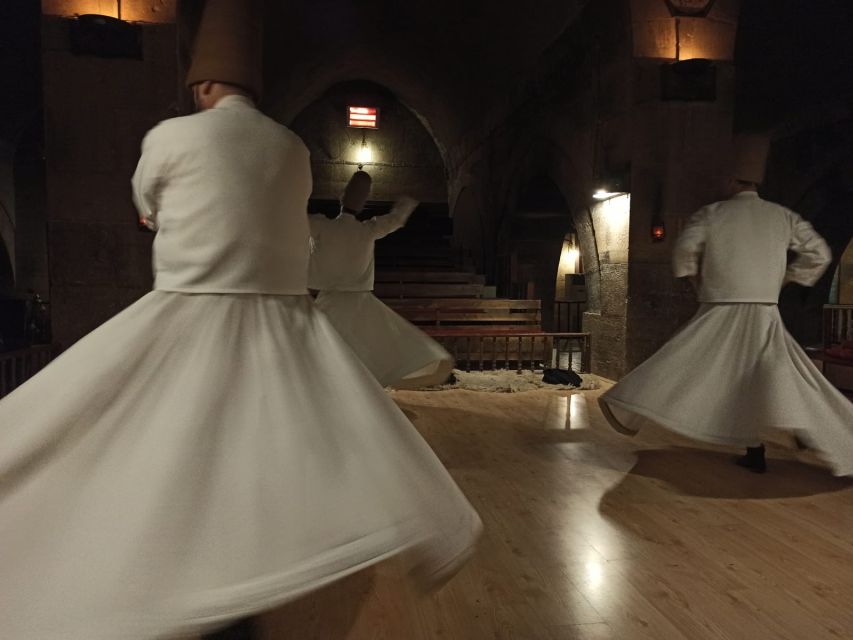
The setting is the first surprise: this is not a stage show in a modern theater, but a one-hour Sufi ceremony in a historical cave about 4 kilometers from Goreme. The stone room, quiet music, and measured turning give the evening a serious, almost timeless feel.
I like the clear explanation before the ceremony, especially when guide Hami leads the transfer and explains what each movement means. I also like the modest $24 price and the fact that you receive a traditional drink afterward. The main drawback is that the ceremony is deliberately repetitive and quiet, so it will not suit you if you want a lively dance performance or dinner entertainment.
Key points to know before you book
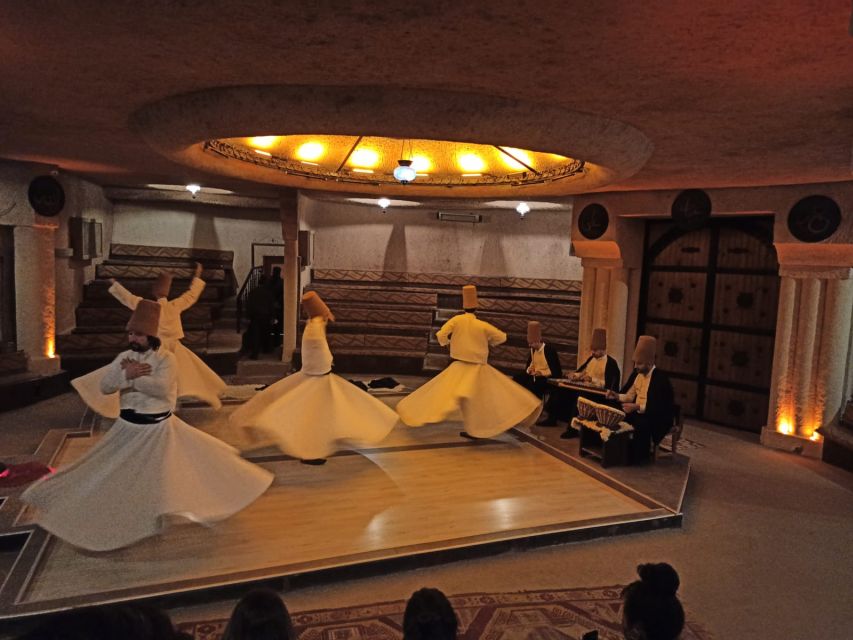
- A real sema ceremony: The performance follows the Mevlevi tradition of music, chanting, and controlled turning.
- A cave setting near Goreme: The venue is roughly a five-minute drive, or 4 kilometers, from town.
- Useful cultural explanation: Guides explain Rumi, Sufism, and the meaning behind the dancers’ movements.
- About one hour of ceremony time: The full outing takes around 1.5 to 2 hours with transport and orientation.
- Simple, good-value pricing: At $24 per person, the ticket costs far less than dinner packages that add food and other entertainment.
- Plan your return: Taxi service after the ceremony can be difficult, so arrange transport in advance or ask the venue to call one.
Why the cave setting changes the experience
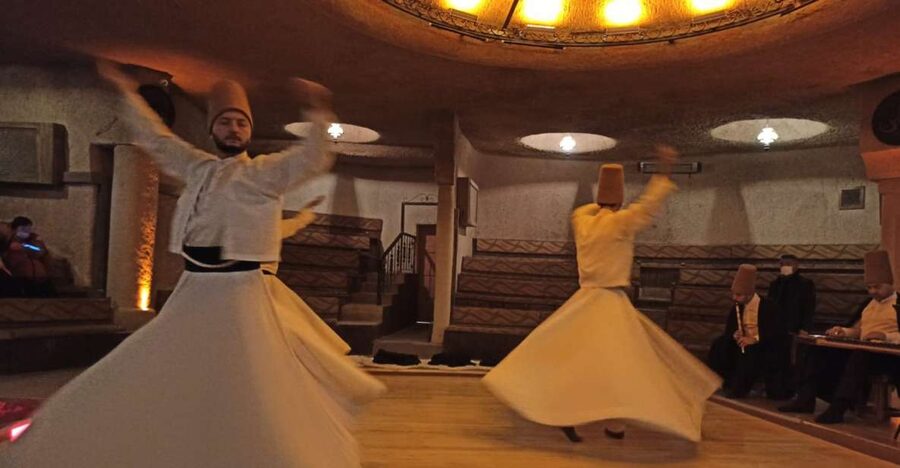
Cappadocia is famous for its carved churches, underground spaces, and soft volcanic stone. This ceremony uses that local character well. The room at Motif Kültür Merkezi, also identified as the Sema Gösterisi Salonu, is only a short drive from central Goreme, but it feels removed from the town’s busy streets.
You enter a space built for listening rather than spectacle. The stone walls help carry the ney flute, chanting, and percussion. The dancers’ white clothing and slow circular movement become the focus because there is little else competing for your attention.
I would not describe the setting as luxurious. That is part of its appeal. You are not being sold a large dinner production with bright lights and several acts. This is a compact cultural visit in a historic-looking space, with the ceremony given most of the evening.
The atmosphere also asks something from you. Phones ringing, whispered conversations, rustling jackets, and dropped objects can be surprisingly loud in such a quiet room. Sit still, keep your phone silent, and treat the ceremony as a religious ritual rather than a photo opportunity.
History tours around Cappadocia:
- Prague: Oldtown, Medieval Underground & Dungeon History Tour
★ 4.3 · 10,277 reviews - Beneath The Streets Underground History Tour
★ 4.5 · 8,006 reviews - Prague Old Town, Medieval Underground and Dungeon Historical Tour
★ 4.5 · 3,227 reviews
The short ride from Goreme to the ceremony
The activity offers two practical arrangements. If you are staying in Goreme town, pickup and drop-off may be available. You may also begin at Cappadocia Outdoorsy Travel or go directly to the ceremony venue, depending on the option you select.
The venue is approximately 4 kilometers from Goreme, and the drive takes about five minutes. If you have your own car, free parking is available. You can also reach the venue by taxi or bus, although the taxi option needs some planning for the return.
The scheduled ceremony begins at 18:00. I would aim to arrive by 17:45 or 17:50. That gives you time to find the entrance, settle into your seat, and read the information provided before the dancers enter.
The transfer is more than a ride when a guide such as Hami is handling it. He has been praised for explaining Cappadocia, the dervishes, and the ceremony on the way. That background matters because the sema can seem slow and mysterious if you do not know what you are watching.
If you are meeting at the venue, confirm the exact arrangement after booking. The information says that questions can be handled by email or WhatsApp, and the operator keeps the place for you. This is useful because there are several tour businesses in Goreme and the ceremony hall sits outside the center.
What Rumi and the Mevlevi tradition mean
The sema began as a form of meditation connected with Jalaluddin Rumi, the Persian-born Sufi mystic and poet who lived in 13th-century Konya. At that time, Konya was the capital of the Seljuk Empire.
Rumi taught that music and dance could form a path toward God. His practice included fasting, meditation, poetry, and movement. Later followers developed the ceremony into a formal tradition, most famously through the Mevlevi order.
The dancers are called semazen. By the 15th century, the order had established rules for the ritual. The movements are not improvised spinning for entertainment. They follow a structure, with meaning attached to the clothing, posture, turning, music, and stages of the ceremony.
That context is vital. Before the performance, you receive an explanation and, in some cases, a leaflet describing the ritual. I suggest reading it carefully. Once the music begins, the repeated movements make far more sense if you understand that the dancers are representing a spiritual journey rather than trying to impress the audience with speed.
The one-hour sema ceremony
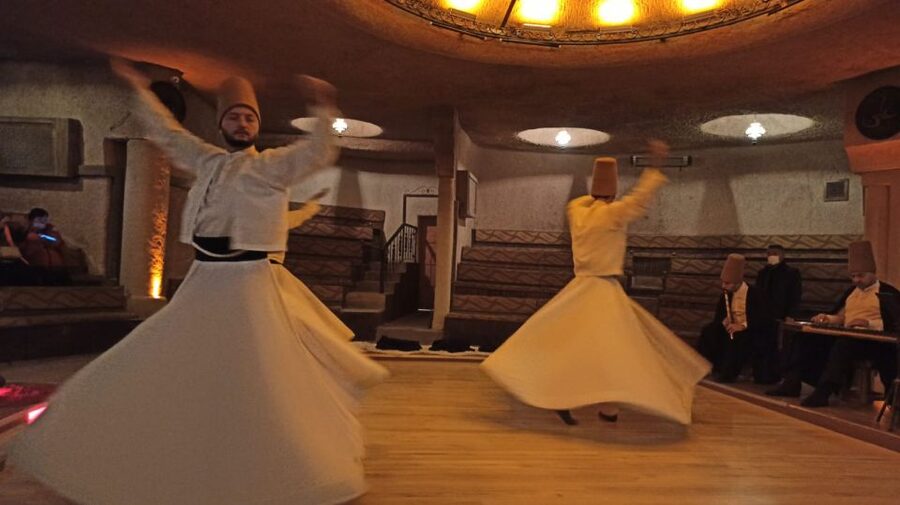
The ceremony itself lasts about one hour and forms the heart of the evening. Expect music, chanting, and the slow turning of the semazen. The pace is controlled and meditative, not theatrical.
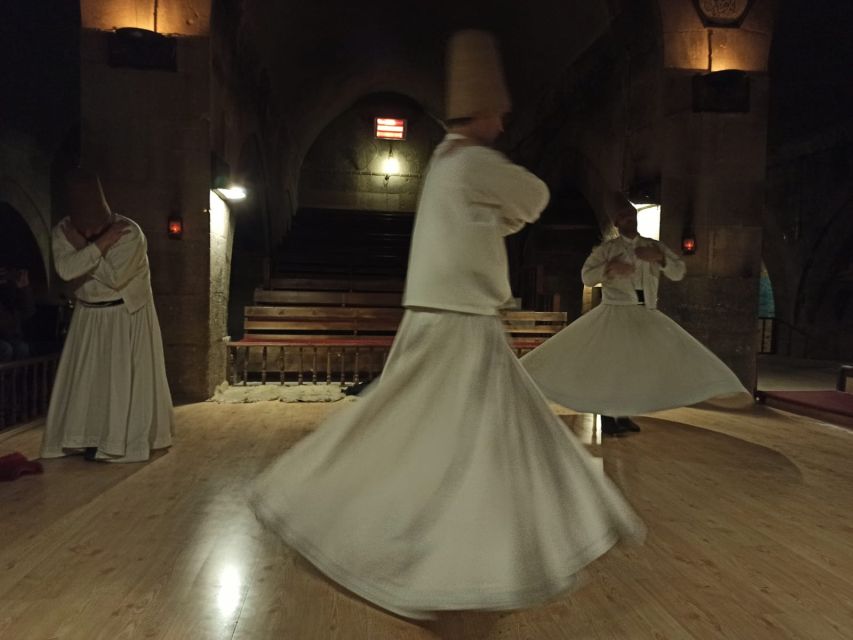
The dancers’ movement may look simple at first. It takes considerable practice to maintain balance, posture, and rhythm while turning for an extended period. One hand is traditionally raised and the other lowered, a posture connected with receiving and passing on divine grace. The guide’s explanation helps you notice details that might otherwise pass by.
The music gives the ceremony its shape. The sound is spiritual and restrained, allowing the turning to develop gradually. You may find the experience calming, especially after a busy day of Cappadocia sightseeing.
You may also find it repetitive. That is the one clear caution to keep in mind. A visitor who expected a fast folk dance or a changing stage program could become restless. One person found the ritual repetitive because its nature was not understood in advance.
I think the right approach is to watch it as a religious service with visual movement, not as a concert. The silence between sounds, the repeated turning, and the steady rhythm are the point. If you respect that pace, the ceremony can be moving. If you need constant action, choose a livelier evening activity instead.
Shows around Cappadocia:
- Cappadocia: Turkish Night Show with Dinner in a Cave
★ 4.1 · 222 reviews - Granada: Live Flamenco Show
★ 4.6 · 1,216 reviews - Granada: Los Amayas Cave Flamenco Show in Sacromonte
★ 4.7 · 684 reviews - Flamenco Show in a Cave Restaurant in Granada
★ 4.5 · 659 reviews
A guide makes the difference
The most useful part of the outing may happen before the dancers begin. Guides explain Rumi, Sufism, Cappadocia, and the reason for the ceremony’s gestures. Several people specifically valued the explanations given by Hami, who has handled both transport and guiding.
I would not book this experience with the idea that the guide will provide a full academic lecture. The strength is practical interpretation. You learn enough to follow the ritual, understand its religious setting, and avoid treating it as a simple tourist dance.
The guide can also explain basic etiquette. Keep quiet, silence your phone, avoid taking photographs if instructed not to, and do not clap during the ritual unless the ceremony clearly indicates that it is appropriate. The room is quiet enough that small noises carry across it.
English is the listed guiding language. If you need detailed explanations in another language, confirm that before booking. The activity is aimed at English-speaking visitors, and the information supplied does not promise other languages.
The dervish drink at the end
After the ceremony, you receive a traditional dervish drink, described as sherbet or a traditional tea. It is a small touch, but it gives the evening a gentle finish.
Do not expect a full meal or a long social reception. This is a simple refreshment after the performance. The drink also gives you a moment to absorb what you have seen before returning to Goreme.
Some of the strongest impressions from this outing come from that quiet transition. You have spent an hour watching a ceremony that is not built around applause or audience participation. A final drink and a short conversation with the guide help bring you back to ordinary holiday mode.
Transport is convenient, with one important warning
If you stay in Goreme town, hotel pickup and drop-off can be included. The operator also provides guidance to the venue and back. This makes the experience easy to add after a day of sightseeing, especially if you do not have a car.
The meeting-point option is less expensive in effort but needs more planning. You make your own way to the hall by bus, taxi, or car. Parking is free, and the venue is close to Goreme, but the return is the weak spot.
One person had trouble finding a taxi after the show, even after another taxi driver tried to order one. The venue can call a taxi for you, and this help has worked well for some visitors, but I would not leave it until the final minute.
If you use a taxi, ask the driver before the ceremony how you will return. If you are meeting at the venue, contact the operator after booking and confirm the pickup plan. A five-minute drive from town does not guarantee an available taxi at 19:00.
Is $24 good value?
At $24 per person, this is one of the more affordable ways to see a whirling dervish ceremony in Cappadocia. The price includes the ticket, and hotel transport is available for people staying in Goreme, depending on the booking arrangement.
The value is strongest if you want culture without dinner, alcohol, or a long evening program. Many holiday packages combine a dervish performance with food and other entertainment. Those can suit some people, but they also make the ceremony feel like one item in a large show.
Here, your money pays for the ceremony, the cave setting, and the basic transport or guidance arrangement. The traditional drink is included at the end. You are not paying for a meal, so plan dinner separately.
I consider the price fair for a one-hour cultural activity, especially if the guide’s explanation is included and you can avoid arranging transport yourself. The value drops slightly if you must pay for taxis both ways, but the ticket remains modest compared with many organized evening experiences in Cappadocia.
Who will enjoy this most?
I would recommend this to you if you want to understand Sufism, Turkish religious culture, and the history behind the whirling dervish tradition. It also suits anyone looking for a quiet evening activity after Cappadocia’s outdoor excursions.
It is a good choice for first-time visitors because the ceremony is explained before it begins. You do not need prior knowledge of Rumi or the Mevlevi order. A guide such as Hami can give you the background needed to follow the movements.
This is less suitable for young children who cannot sit quietly for an hour, or for anyone expecting a high-energy dance show. The ceremony is formal and repetitive by design.
It also suits visitors who prefer a focused cultural experience. You will not get a meal, a large stage program, or several forms of entertainment. That limitation is exactly what makes the evening feel more sincere.
Booking and timing advice
The activity allows free cancellation up to 24 hours before the start time, and you can reserve now and pay later. Those terms are useful if your Cappadocia schedule depends on weather or hot-air-balloon plans.
Check the starting time carefully, since the ceremony is scheduled for 18:00 and ends around 19:00. The overall activity takes 1.5 to 2 hours when transfer and explanations are included.
Arrive by 17:45 or 17:50. Wear something comfortable and bring only what you need into the room. A silent phone and a little patience will improve the experience for everyone.
Most of all, set the right expectation. You are attending a devotional ceremony that happens to be open to visitors. Watch quietly, listen to the music, and let the meaning come through slowly.
Should you book this Goreme dervish ceremony?
Book it if you want a serious, compact cultural experience in a memorable cave setting. The $24 price is reasonable, the ceremony is close to Goreme, and an explanation from the guide can turn an unfamiliar ritual into a meaningful one.
I would skip it if you want dinner, lively entertainment, or constant movement. I would also sort out your return transport before arriving, especially if you choose the meeting-point option.
For the right audience, this is one of Cappadocia’s most worthwhile evening activities. It offers music, history, faith, and atmosphere without dressing the ceremony up as something it is not.
FAQ
Where does the ceremony take place?
It takes place at Motif Kültür Merkezi, also identified as the Sema Gösterisi Salonu, in a historical cave about 4 kilometers from Goreme.
How long does the activity last?
The full activity takes about 1.5 to 2 hours. The ceremony itself lasts approximately one hour.
What time does the ceremony begin?
The ceremony starts at 18:00 and finishes at about 19:00. You should arrive around 17:45 or 17:50.
Is transportation from Goreme included?
Hotel pickup and drop-off can be included if you are staying in Goreme town. The meeting-point option does not include transfer.
How can I reach the venue without included transport?
You can reach the ceremony by bus, taxi, or car. Free parking is available at the venue.
Is the venue far from Goreme?
No. The ceremony place is about a five-minute drive, or 4 kilometers, from Goreme.
Is a guide included?
English-language guiding is available. Guides explain the ceremony, Sufism, Rumi, and the meaning behind the movements.
Who is Rumi?
Jalaluddin Rumi was a Persian-born Sufi Muslim mystic and poet who lived in 13th-century Konya. His teachings inspired the sema tradition.
What happens after the ceremony?
You receive a traditional dervish drink, also described as sherbet or traditional tea, before returning to Goreme.
Can I cancel the booking?
You can cancel up to 24 hours in advance for a full refund. Reserve now and pay later is also available.
Newly added caves around Cappadocia
- Göreme: Cappadocia Green Tour with Underground & Lunch★ 4.7 · 60 reviews
- Cappadocia Tour: Underground City, Caravanserai & Salt Lake★ 4.7 · 15 reviews
- From Cappadocia: Green Tour with Hikes and Caves with Lunch★ 4.4 · 57 reviews
- Cappadocia: Hidden Underground City & Pottery Tour W/ticket★ 4.9 · 115 reviews
- Cappadocia: Turkish Night Show with Dinner in a Cave★ 4.1 · 222 reviews
- Cappadocia: Underground city and south tour with lunch★ 4.6 · 36 reviews
- Cappadocia Small Group Tour with Underground City★ 4.8 · 158 reviews
- Cappadocia: Underground Cities Skip-the-Line Tour with Lunch★ 4.6 · 142 reviews
Cappadocia Cave Tours worth comparing.
Full Day Cappadocia Tour( Red Tour + Underground City )
Read our review →
Green Cappadocia Underground City and Valleys Tour. Lunch incl.
Read our review →
Cappadocia: Highlights Tour (Red Tour & Underground City)
Read our review →
Cappadocia: Green Tour – Ihlara Valley & Underground City
Read our review →
Cappadocia: Turkish Night Show with Dinner in a Cave
Read our review →
Cappadocia: North (Red) Tour With Lunch options
Read our review →
Cappadocia Small Group Tour with Underground City
Read our review →
Cappadocia: Underground Cities Skip-the-Line Tour with Lunch
Read our review →Lists this cave tour appears in