
Review · INDONESIA
Ubud: Rice Terrace, Waterfall, & Elephant Cave
The best thing about this eight-hour Central Bali circuit is its variety. In one day, you move from a waterfall and carved jungle stone to active Hindu temples, rice terraces, and village workshops. It gives you a useful first look at the Ubud area without asking you to arrange four separate rides.
I like the private air-conditioned car and flexible pacing. Guides such as Made Sucita, Edi, Agung, and Gede Susila are often praised for explaining Balinese customs clearly, taking photos, and changing the order of stops to avoid traffic. I also like that entrance fees, parking, and petrol are covered.
The trade-off is a full day on the road with several busy sights. Lunch costs extra, walking surfaces can be uneven, and optional shopping or coffee stops may reduce time at the temples if you do not speak up.
Key points to know before you book
- Swim at Tegenungan Waterfall: You get about two hours for the waterfall area, views, a walk, and a possible swim.
- Meet Kemenuh woodcarvers: See artists working with woods such as ebony, hibiscus, and teak, with designs shaped by Balinese Hindu traditions.
- Visit two major cultural sites: Goa Gajah and Tirta Empul offer very different windows into Bali’s religious life.
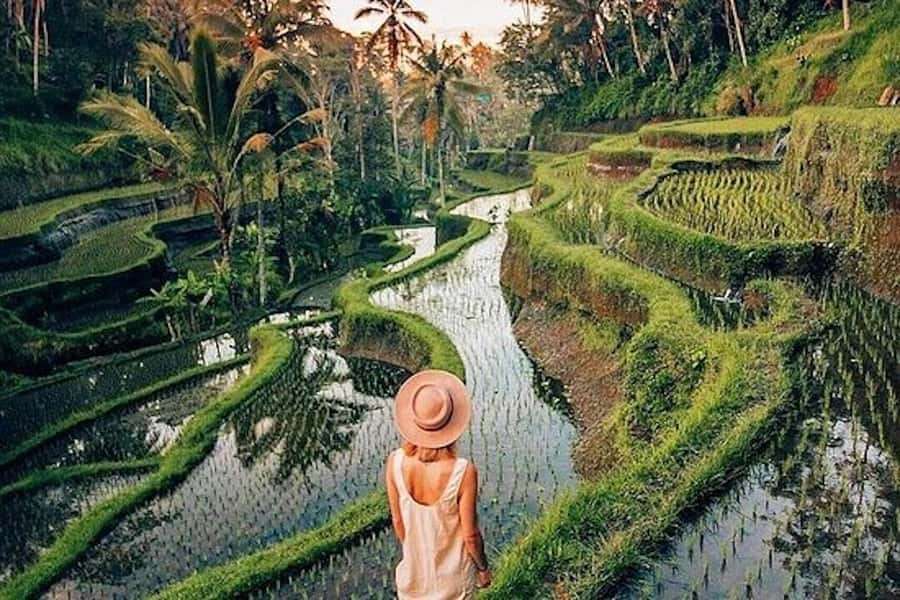
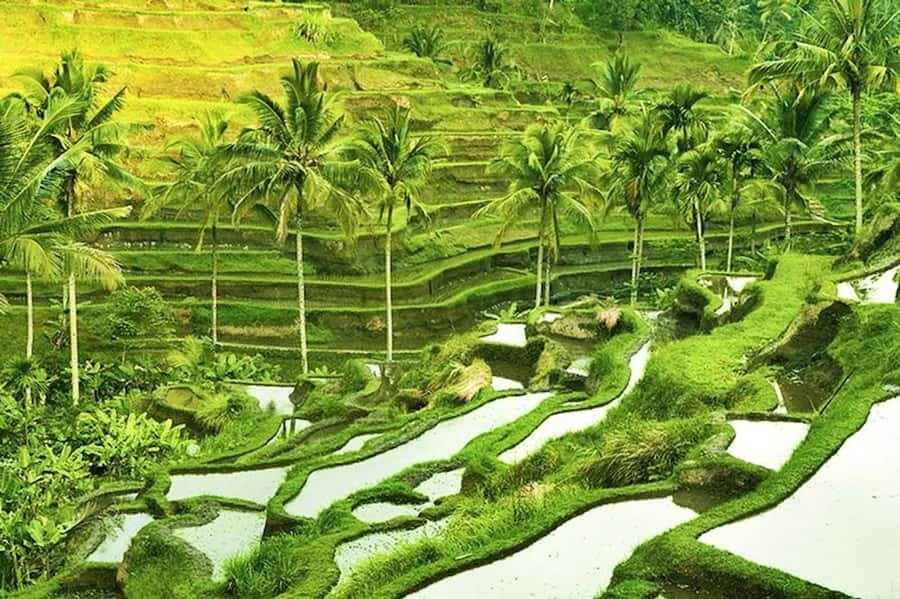
- Walk through Tegallalang: The rice terraces are the day’s best stop for broad views and photographs, though paths are not flat.
- Travel in a private car: An English-speaking driver-guide, entrance fees, parking, and fuel are included in the $43 price.
- Keep the schedule flexible: Guides may adjust the route for traffic, your interests, or a tight return time.
Why this Bali day tour works
At $43 per person, this is strong value if two or more people are sharing the vehicle. You get a full day of transport, a driver-guide, fuel, parking, and entrance fees. You also avoid the effort of piecing together waterfall transport, temple visits, and the rice terraces yourself.
The real value is the guide. This is not simply a driver dropping you at a gate. The best guides explain what you are seeing, answer questions about Hindu practice and village life, and help you understand why a temple or carving workshop matters. Made Sucita, Edi, Agung, Pande, Nyoman, and Gede Susila are among the guides praised for clear English, good timing, local insight, and taking photographs.
You should still set realistic expectations. This is a highlights tour, not a quiet retreat into rural Bali. Tegenungan, Goa Gajah, Tirta Empul, and Tegallalang are well-known stops. The reward is convenience and range. The cost is that some places may feel busy, especially during the middle of the day.
The pickup area is broad. You can be collected from Ubud, Denpasar, Sanur, Kuta, Seminyak, Canggu, Jimbaran, Nusa Dua, Benoa, and other parts of South Bali. A pickup from farther south means more time in the car, so the day will feel most relaxed if you are staying in or near Ubud.
More cave tours around Indonesia:
- ATV Quad Bike Bali with Waterfall Gorilla Cave and Lunch
★ 5.0 · 1,925 reviews - Ubud: Quad ATV Waterfalls & Barong Caves
★ 4.7 · 891 reviews - Yogyakarta: Jomblang Cave and Pindul Cave all inclusive Trip
★ 4.9 · 854 reviews
Tegenungan Waterfall starts the day
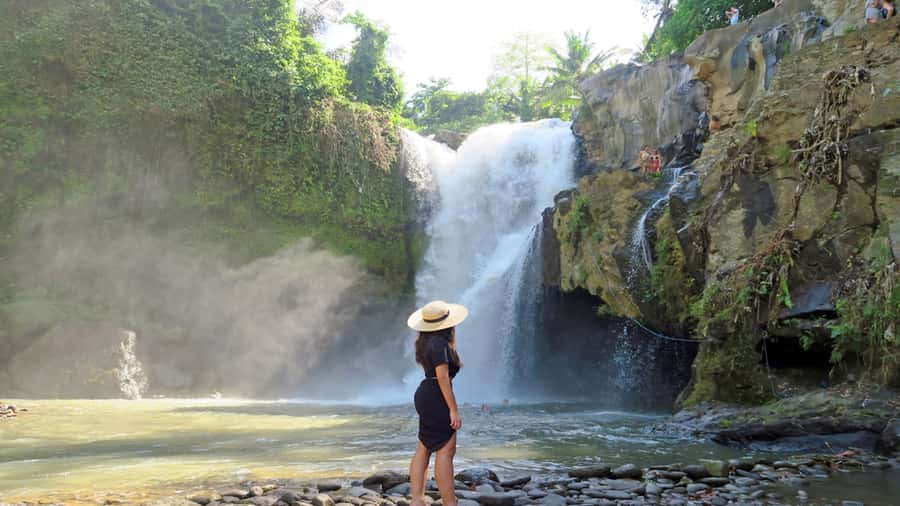
The morning pickup is scheduled for 8:00, followed by a ride to Tegenungan Waterfall. Starting here is sensible. You get the most active part of the day out of the way early, and the spray and pool offer a cool break before the temples.
The waterfall stop allows about two hours for sightseeing, photographs, and walking. If conditions suit you, you can swim in the water below the falls. You should bring practical clothing if you plan to get wet, and remember that the tour operates in rainy weather.
Do not treat this as a simple roadside photo stop. You may spend time walking around the waterfall area, looking at the thick greenery, and deciding how much energy you want to use for the swim. The exact experience will depend on weather and water conditions, neither of which is guaranteed to be calm.
Wear shoes with good grip. The walking surfaces around the day’s stops can be uneven, and the tour is not suitable for wheelchair users. Sunglasses, sunscreen, and a hat are also sensible, particularly during the open-air stops.
Kemenuh shows Bali’s carving tradition
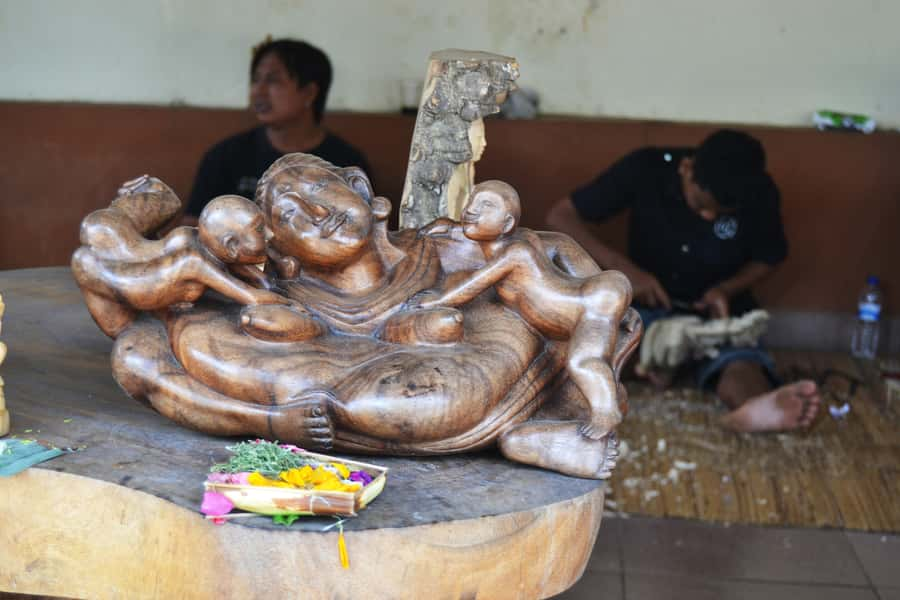
Around 10:30, the route continues to Kemenuh, a village associated with woodcarving. This is one of the more distinctive parts of the day because you see a working craft tradition rather than only finished monuments.
The carvings are influenced by Hindu religion and may feature creative figures and designs made from ebony, hibiscus, and teak. You can learn how the artists shape the wood and see the care involved in turning a plain block into a detailed object.
This stop may also function as an arts and crafts market or workshop visit. That can be useful if you want to understand the work before buying anything. It can also become a sales stop, so decide in advance how much time you want to spend browsing.
Some versions of the day include extra visits, such as coffee, tea, or honey tasting, and a few guests have also encountered painting or other craft stops. These additions are not the core four-stop program. If your priority is temples and scenery, tell your guide early that you would rather protect time for the main sights.
Goa Gajah is small but full of detail
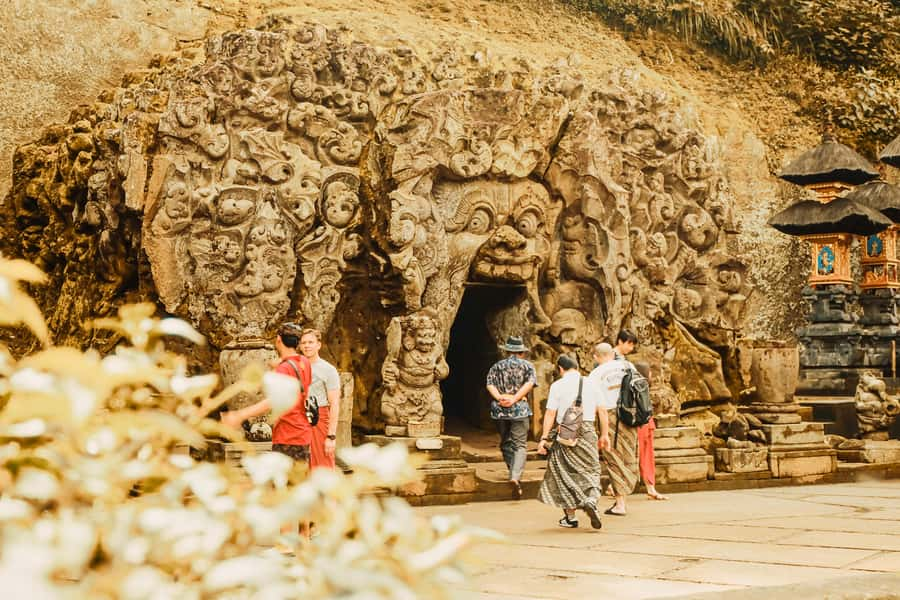
Goa Gajah, or Elephant Cave, is the next major cultural stop. The name can be misleading. You are not visiting a huge cavern filled with elephants. The focus is a seven-meter-tall cave entrance built into a cliff, with a striking figure known as Boma at the front.
The site combines the cave with Hindu temples, plantings, and archaeological objects. Take your time looking at the entrance before going inside. The carved face is the visual centerpiece, but the surrounding religious setting helps explain how the cave fits into Bali’s wider temple culture.
You are generally given around an hour and a half here, including sightseeing, walking, and the craft stop that forms part of the wider visit. This is a good place to ask your guide about the symbols and the role of the temple buildings. Several guides on this route, including Gede Susila and Agung, are praised for giving useful explanations rather than rushing people from one photo point to the next.
The ground is not perfectly even, so comfortable, slip-resistant footwear matters. The cave itself is not the only reason to come. The combination of stone carving, shrines, gardens, and the cliffside setting makes this a more rewarding stop when you have someone to explain what you are looking at.
Same rock, a different way in:
- Bali Quad Bike Pass by Waterfall Gorilla Cave Private Transfer
★ 5.0 · 638 reviews - Gorilla Cave ATV Bali Ubud, Monkey Forest, Temple, and Lunch
★ 5.0 · 295 reviews - Yogyakarta: Jomblang & Pindul Cave Guided Adventure
★ 5.0 · 272 reviews - Bali: Ubud Gorilla Cave Track ATV & Waterfall Tour with Meal
★ 4.6 · 220 reviews
Lunch is flexible, but not included
Lunch is planned for around noon and must be paid for separately. The exact restaurant is not specified, which gives your guide some room to adjust the day and help you choose a place that suits your timing.
This flexibility has worked well for people with particular food plans or tight schedules. Agung, for example, adjusted the timing for a requested restaurant, while other guides recommended lunch locations. Still, bring a payment method and do not assume lunch is part of the $43 price.
If you want a leisurely meal, say so. The day has four major sightseeing stops, and the route can become compressed by traffic. A quick lunch keeps the schedule moving, while a longer meal may mean less time at one of the later sites.
Tirta Empul offers the strongest cultural moment
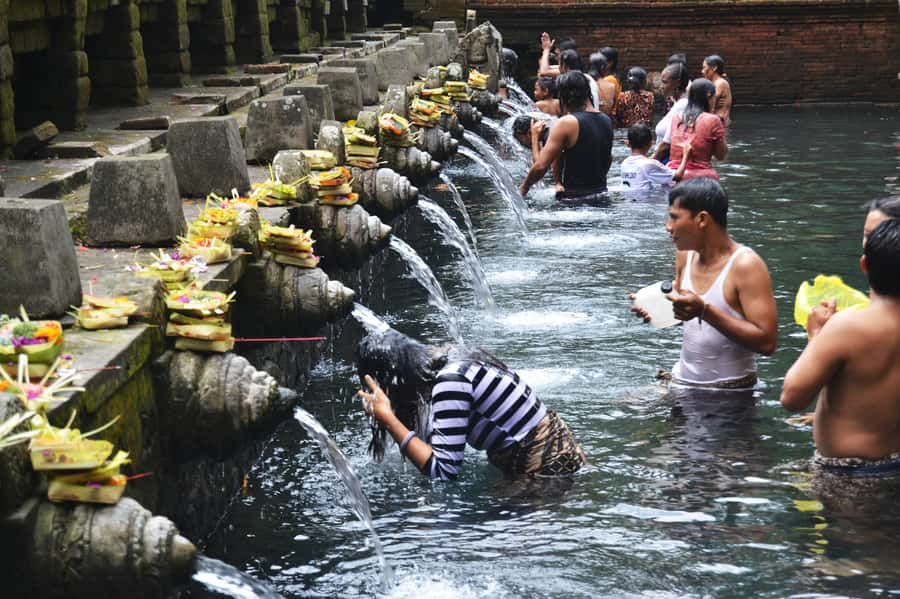
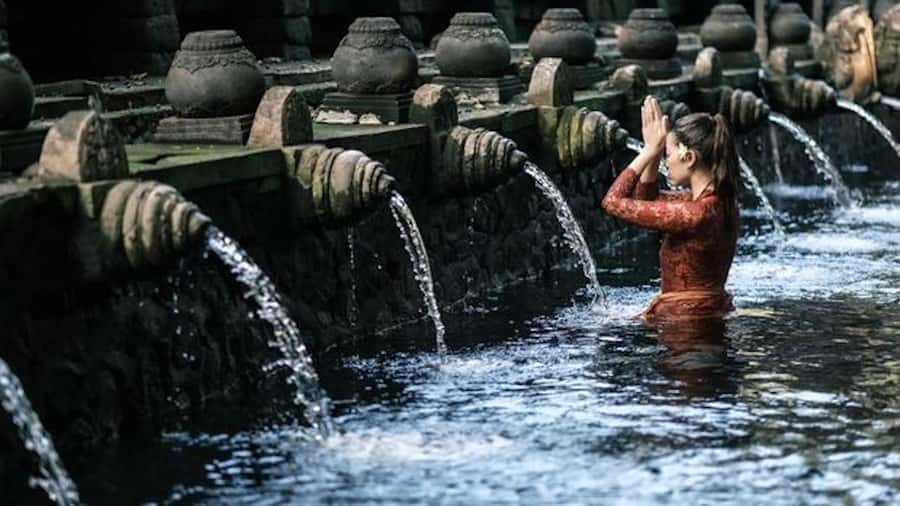
Tirta Empul at Tampaksiring is likely to be the most meaningful stop for many people. This is a holy temple complex with a calm religious atmosphere, Balinese architectural details, and the famous purification pools.
You can walk through the temple grounds and watch local religious activity. Some people on this tour choose to take part in the water purification ritual, but it is not presented as a required part of the outing. If you want to do it, ask your guide about the process and appropriate timing.
The ritual can make the visit feel personal, but it also adds practical details. Guides may help with photographs, and there are people around the site who take pictures that you can purchase afterward. Do not feel pressured to add this expense if you only want to observe.
Even without entering the water, Tirta Empul rewards a slower visit. Look at the temple gates, shrines, courtyards, and water features. Your guide can explain the religious meaning and how ceremonies fit into daily Balinese life. This is where the tour’s cultural side is strongest.
Plan for roughly two hours, though the exact order may change. Several guides have adjusted the route to avoid heavy traffic or to meet a required return time. That matters in Bali, where a short distance can take much longer than expected.
Tegallalang gives you the classic rice-terrace view
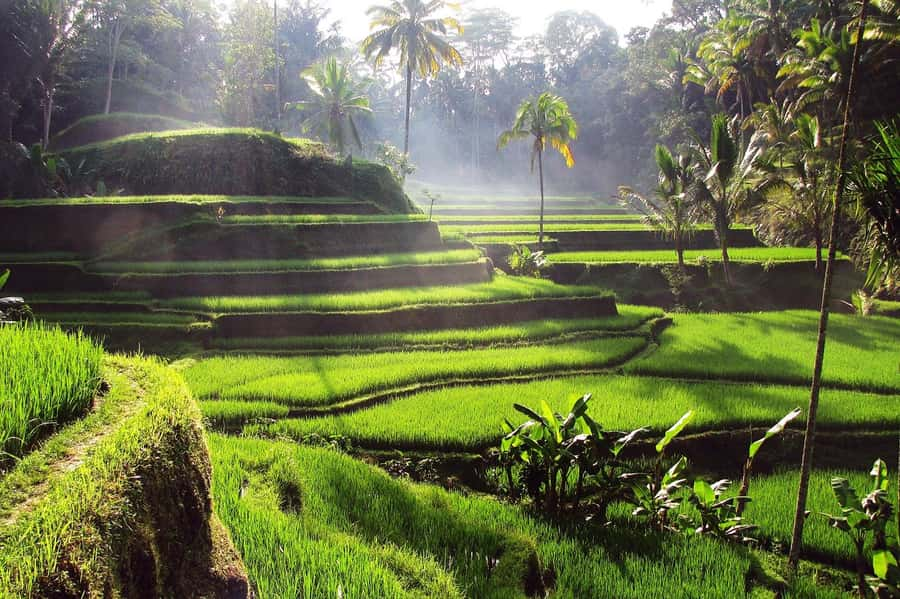
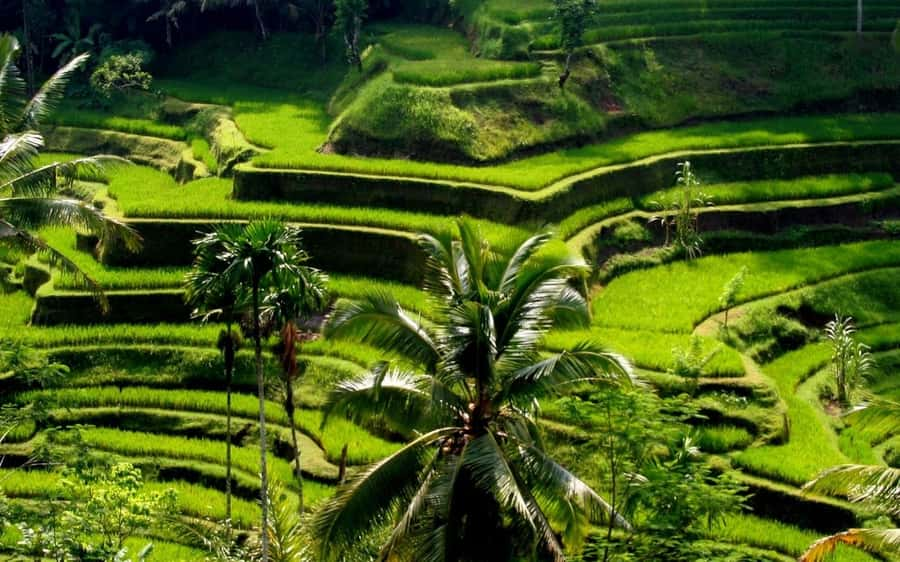
The Ceking Rice Terrace near Tegallalang is the final major scenic stop in the stated program, although the order can change. Here, rice fields are shaped into stepped terraces, with coconut and other plantation trees adding height and texture.
You can take a pleasant walk, stop for photographs, and enjoy the views across the fields. This is the place for the classic Ubud-area countryside scene, but it is not a flat garden stroll. Expect steps, slopes, and uneven sections.
The visit is allocated about two hours, which gives you enough time to look beyond the first viewpoint. If you only take one photograph and return to the car, you will miss much of the appeal. Ask your guide where the best walk is and how far you need to go for the views you want.
The rice terraces were singled out repeatedly as a highlight, especially when guides timed the visit to avoid the heaviest crowds. That is another reason to accept a flexible order. Your guide may place Tegallalang earlier or later depending on road conditions and the other stops.
The car and guide make the difference
The tour uses an air-conditioned vehicle with a private English-speaking driver-guide. That matters in Bali. You get shade between stops, a place to leave belongings, and someone who knows the roads between South Bali, Ubud, Tampaksiring, and Tegallalang.
The car is not only transport. A good guide turns the drive into part of the experience by explaining village life, religion, local customs, and the places you pass. Made Sucita, Edi, Agung, Pande, Putu, Nyoman, and Gede Susila are all praised for friendly service and clear explanations.
Photography is another practical benefit. Many guides are happy to take photos and short videos for you, which is useful at the rice terraces and temples. Be clear about what you want, since you may prefer a quiet visit rather than a constant photo session.
The schedule is flexible, but not unlimited. You can usually take your time at a stop, skip a place you have already visited, or adjust the route. Traffic, lunch, and optional shopping still affect the clock, so give your guide a clear priority list at the start.
What to bring and how to dress
This is a moderate walking day, not a bus tour where you step off only for a quick photograph. Bring:
- Slip-resistant shoes for wet or uneven surfaces
- Sunglasses
- Sunscreen and a hat
- Swimwear or a change of clothes if you plan to enter the waterfall
- Money for lunch and personal purchases
The tour runs in rainy weather, so a wet-day plan is wise. Rain may affect your comfort at the waterfall and rice terraces, but it does not automatically cancel the outing.
Pets are not allowed, and the tour is not suitable for wheelchair users. If you have limited mobility, ask before booking because the program includes walking at the waterfall, cave, temple, and terraces.
Who should book this tour?
I would choose this day for a first visit to the Ubud area, especially if you want nature, temples, craft, and scenery in one package. It suits couples, families with older children, solo visitors, and anyone who prefers a private car over joining a large group.
It is also a good fit if you are staying in South Bali and want to see Central Bali without arranging several transfers. The broad pickup and drop-off area makes it practical for hotels around Kuta, Canggu, Sanur, Denpasar, Jimbaran, Nusa Dua, Benoa, and Ubud.
You may want a different experience if your main goal is long hikes, quiet villages, or a slow temple study. Four major stops in eight hours is a lot. You will see plenty, but you will not have unlimited time at every place.
Should you book it?
Book this tour if you want good coverage for a modest price, a comfortable car, and a guide who can explain Balinese culture while handling the roads. The combination of Tegenungan, Goa Gajah, Tirta Empul, and Tegallalang gives you a solid introduction to Central Bali.
Before you leave, tell your guide your top two priorities. If the answer is swimming and rice-terrace walking, protect time for those. If it is temple culture, ask for fuller explanations at Goa Gajah and Tirta Empul and skip optional shopping stops.
At $43 per person, with entrance fees and transport included, this is an easy recommendation for a first Central Bali day. Just bring sensible shoes, budget separately for lunch, and accept that the day’s value comes from seeing many different sides of Bali rather than lingering in one place.
FAQ
What does the $43 price include?
The price includes transport in an air-conditioned vehicle, a private English-speaking driver-guide, petrol surcharge, entrance fees, and parking fees.
Is lunch included?
No. Lunch is at your own expense and is planned for approximately noon.
Can I swim at Tegenungan Waterfall?
Yes. You can swim in the waterfall waters if you wish, although weather and local conditions may affect how comfortable the swim is.
Can I take part in the Tirta Empul purification ritual?
Some people choose to take part in the water purification ritual at Tirta Empul. Ask your guide about the process and any additional costs, including optional photography.
Where does hotel pickup take place?
Pickup is available from accommodation in South Bali, including Ubud, Denpasar, Sanur, Kuta, Seminyak, Canggu, Jimbaran, Nusa Dua, and the Benoa area.
Is the tour suitable for wheelchair users?
No. The tour is not suitable for wheelchair users and includes moderate walking on uneven surfaces.
Newly added caves around Indonesia
- jomblang cave & pindul cave including guides, lunch & ticket★ 4.8 · 69 reviews
- Bali: Waterfall Gorilla Cave ATV & Ubud Rafting Trip & Lunch★ 4.9 · 15 reviews
- Bali: Gorilla Cave Quad Bike Tour & Cretya Infinity Pool★ 4.6 · 30 reviews
- Bali: ATV Gorilla Cave, Ubud Monkey Forest, & Waterfall Tour★ 5.0 · 27 reviews
- 1 day Yogyakarta Tour Jomblang cave and Pindul Cave tubing★ 5.0 · 83 reviews
- Yogyakarta: Jomblang Cave and Pindul Cave all inclusive Trip★ 4.9 · 854 reviews
- Yogyakarta: Jomblang & Pindul Cave Guided Adventure★ 5.0 · 272 reviews
- Yogyakarta: Mt. Merapi Sunrise, Jomblang & Pindul Cave Tour★ 4.9 · 147 reviews
Indonesia Cave Tours worth comparing.
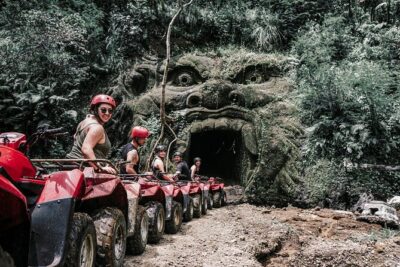
ATV Quad Bike Bali with Waterfall Gorilla Cave and Lunch
Read our review →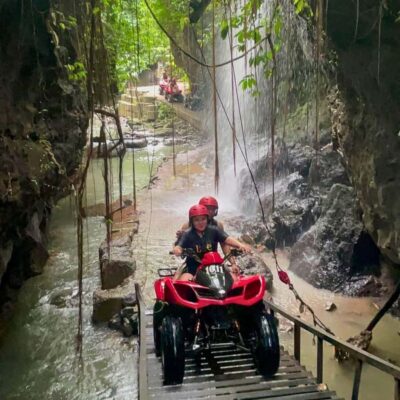
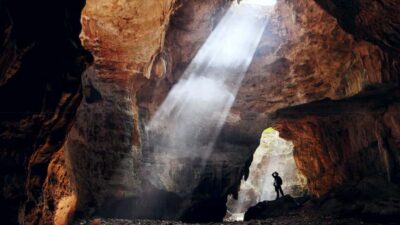
Yogyakarta: Jomblang Cave and Pindul Cave all inclusive Trip
Read our review →Bali Quad Bike Pass by Waterfall Gorilla Cave Private Transfer
Read our review →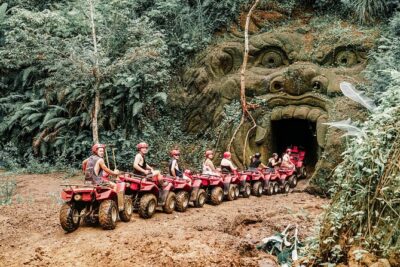
Gorilla Cave ATV Bali Ubud, Monkey Forest, Temple, and Lunch
Read our review →
Yogyakarta: Jomblang & Pindul Cave Guided Adventure
Read our review →
Bali: Ubud Gorilla Cave Track ATV & Waterfall Tour with Meal
Read our review →
Yogyakarta: Mt. Merapi Sunrise, Jomblang & Pindul Cave Tour
Read our review →Lists this cave tour appears in