
Review · PLZEŇ REGION, CZECH REPUBLIC
Pilsen: Historic Underground Tour with a Glass of Beer
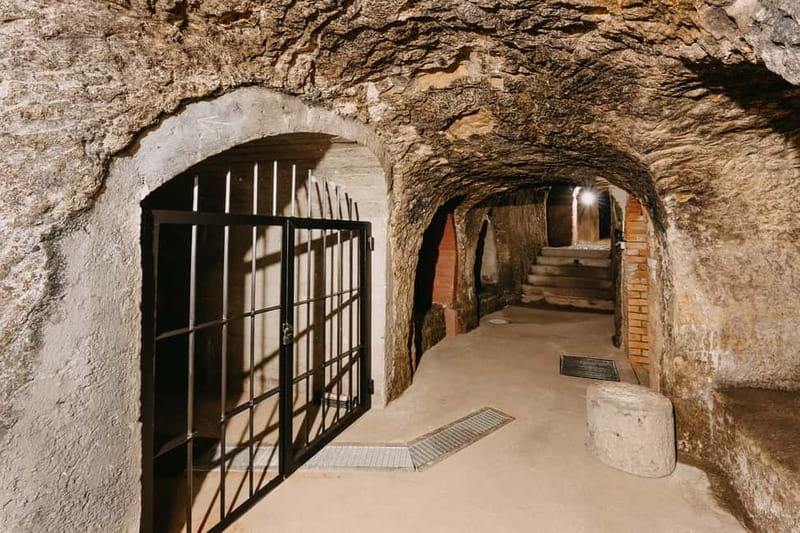
Pilsen’s best beer story begins below street level. This one-hour walk leads you through 13th-century cellars, old wells, passageways, and a water tower that once helped protect and supply the town. It is a practical look at how medieval residents stored food, brewed beer, and found shelter during trouble.
I like two things here: the tour connects beer with daily life rather than treating it as a stand-alone tasting, and the 0.3l Pilsner Urquell voucher gives the short visit a pleasant finish. At $11, it is also an easy-value choice for a spare hour in Pilsen.
The main drawback is the setting. Temperatures stay near 6°C, the route is not suitable for wheelchair users or people with claustrophobia, and high, narrow heels are a poor match for uneven underground floors.
Key points at a glance
- Medieval cellars below modern Pilsen: See underground rooms first built with the town’s earliest houses from the end of the 13th century.
- Beer brewing in its original setting: Learn how cellars were used to ferment, mature, and store beer beneath homes with brewing rights.
- An ice cellar with a clever purpose: See how melting ice cooled the lower fermentation and lager rooms.
- A preserved technical monument: Visit Pilsen’s historical water tower, including its 1847 pumping machinery and waterwheel replica.
- A useful finish for adults: Visitors aged 18 or older receive a voucher for 0.3l of Pilsner Urquell at Na Spilce, U Salzmannů, or Na Parkánu.
- Simple, short, and inexpensive: The tour lasts one hour, costs $11 per person, and is offered in English or German.
Why Pilsen’s underground matters
Pilsen was founded with underground rooms built alongside its first town houses. These were not ornamental chambers made for modern sightseeing. They were working spaces beneath homes, used for food storage and, just as importantly, beer production.
Households with brewing rights could ferment and mature beer in their own cellars. Over time, families expanded the rooms downward and outward. In some places, the system reached two underground levels, with cellars connected by passageways.
That detail gives the tour more weight than a simple walk through old stone rooms. You are seeing the town’s economy below its streets. Beer was not merely a drink sold at a pub. It was a household trade, stored and handled in the cool darkness beneath the home.
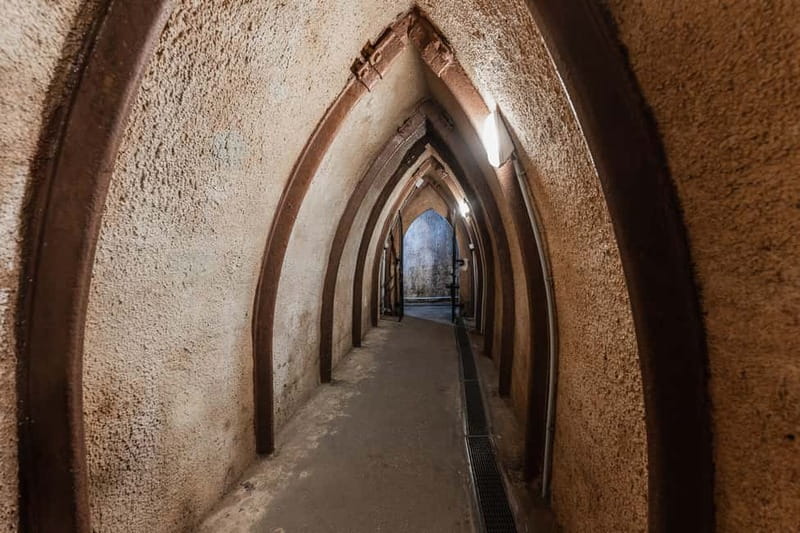
The underground also had a defensive role. During war, fighting, or civil unrest, the passages provided secure places for food and refuge. Some routes served as communication lines, allowing people to move through the town without staying on exposed streets.
You will not get a full reconstruction of medieval Pilsen in one hour, but the displays and surviving spaces help connect ordinary objects with ordinary lives. The focus is practical: where people kept food, how they made beer, and how they used the space when the town above was unsafe.
Drinks tours around the world:
- Hidden Brewery Caverns Tour in Cincinnati with Beer Tasting
★ 5.0 · 1,758 reviews - Prague: Beer and Wine Spa Bath with Salt Cave Experience
★ 4.7 · 396 reviews - Ibiza by Sea: Coves, Caves, Water Sports & Open Bar
★ 4.3 · 28 reviews
Starting in the ice cellar
The tour begins in an ice cellar, a particularly good first stop because it explains the logic of the whole underground system. The ice was stored on the upper level. As it melted, the cold water flowed downward and cooled the fermentation and lager rooms below.
This was a simple idea, but an effective one. Before modern refrigeration, brewers needed cool conditions to control their beer. The cellar arrangement used gravity and melting ice to help maintain those temperatures.
I like this opening because it turns a technical detail into something easy to picture. You can understand why the rooms were arranged in layers and why the underground was more than a place to hide barrels. The building itself helped with the brewing process.
The ice cellar also gives you a sense of the physical conditions below Pilsen. The temperature remains around 6°C throughout the year, so bring a sweater, jacket, or other warm layer even in summer. The cool air is part of the character of the place, but it can feel chilly during a slower stop.
Passageways, wells, and working cellars
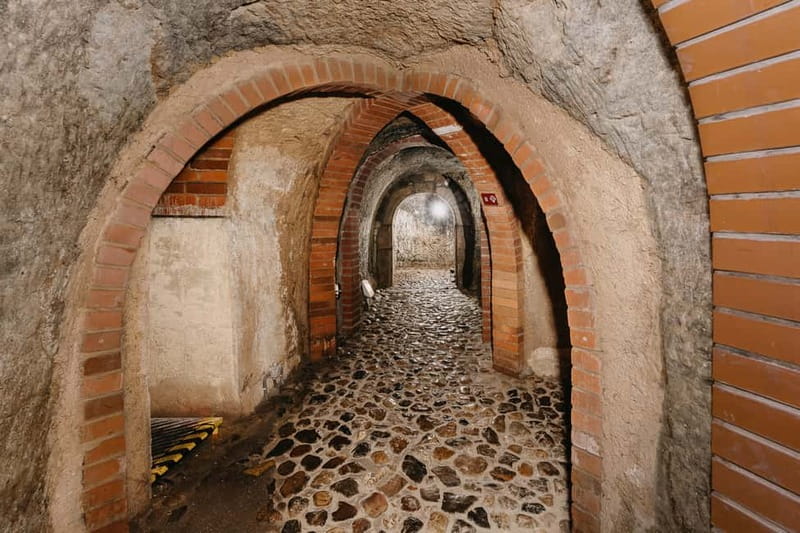
From the ice cellar, the route continues through a network of passageways, cellars, and wells. The point is not simply to count rooms. It is to see how these spaces worked together and how the underground grew as the town developed.
The original cellars were built for food storage. Their cool, stable conditions made them useful for keeping supplies below the changing temperatures of the street. Brewing added another purpose, turning the cellar into a production and storage area.
As the rooms were expanded and deepened, the underground became more complex. Connected chambers allowed people to move supplies between areas and, at times, move through the town itself. You might notice how the route shifts between narrow passages and larger rooms, though the exact feel will depend on the section open during your visit.
The wells are important because they show the practical side of urban life. Water, food, beer, shelter, and transport were all tied to the same underground setting. The exhibits and displayed finds help explain that connection without requiring you to know much about medieval Pilsen before arriving.
This is also where you should consider your comfort. The route is not suitable for people with claustrophobia, and wheelchair users cannot take part. Children under three are not permitted on the tour route for safety reasons. The ticket price is the same for children and adults, so families should factor that into the value calculation.
What the cellars reveal about medieval beer
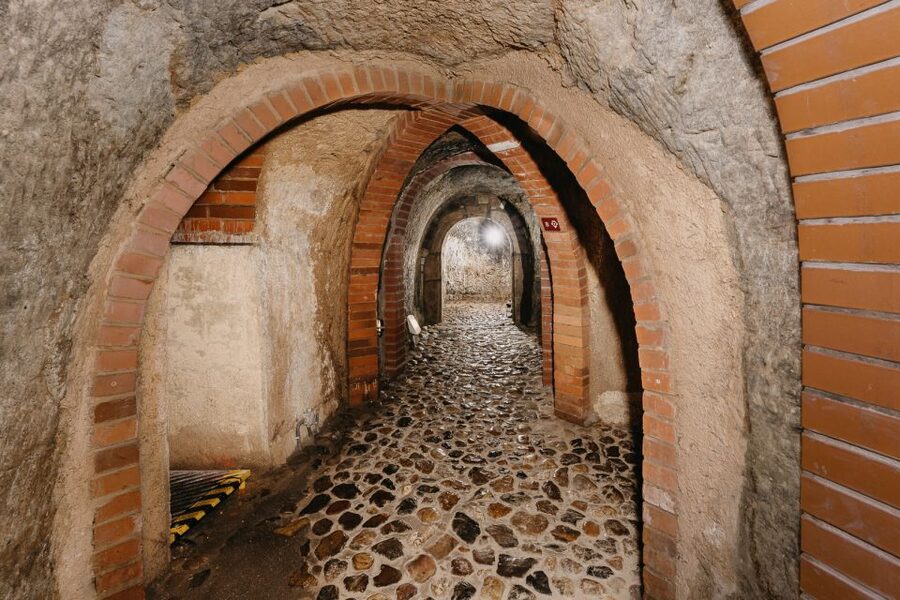
Pilsen’s beer connection is the heart of the tour, but this is not a full brewery production visit. You are looking at the older cellar tradition behind the city’s brewing identity.
In houses with brewing rights, beer was fermented, matured, and stored beneath the living areas. These rooms offered the cool conditions needed for beer making, while the ice cellar system provided an additional way to reduce heat.
The tour helps you see how brewing shaped the town’s buildings. A house was not only a place to sleep and cook. For families with the right to brew, it was also a small production site. The cellar layout reflected that work.
That context makes the final Pilsner Urquell tasting voucher more useful. You do not begin with a modern glass and then receive a vague story about the past. You first see the physical spaces where earlier forms of brewing took place, then finish with a sample of the beer most closely associated with Pilsen today.
The voucher is for 0.3l, a tasting-sized portion rather than a full meal or long beer session. It can be exchanged at Na Spilce, U Salzmannů, or Na Parkánu. The beer voucher is issued only to visitors aged 18 or older, in line with Czech alcohol regulations. Children can take the tour, but they do not receive an alcoholic tasting voucher.
Food and drink tours around the world:
- 4×4 ATV Experience, Water Cave, Chocolate and Coffee Tasting
★ 5.0 · 1,430 reviews - Etna Sunset Tour: Volcano trek, Cave & tasting from Catania
★ 4.8 · 1,290 reviews - From Catania: trek on Mount Etna, Lava Cave & tasting Tour
★ 4.8 · 563 reviews - Amboise: Caves Ambacia Visit and Wine Tasting
★ 4.7 · 496 reviews
Pilsen’s historical water tower
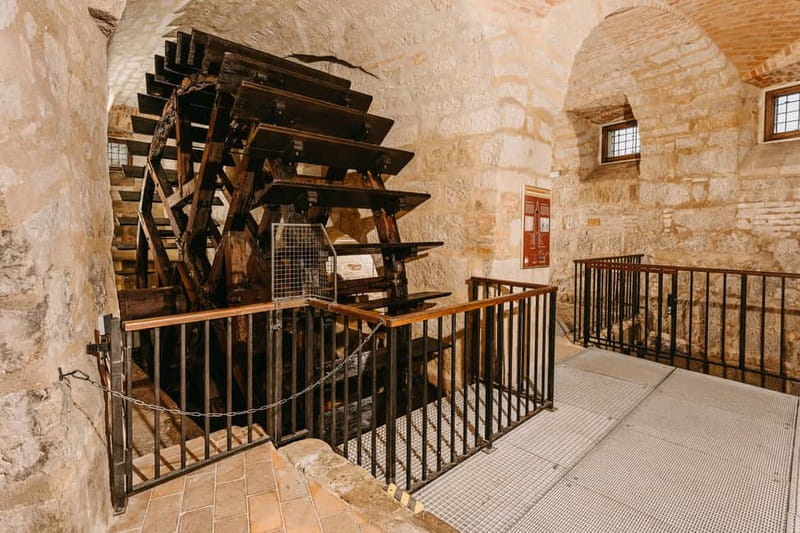
One of the most distinctive parts of the route is Pilsen’s historical water tower, built in the first half of the 16th century. It is described as the best-preserved building of its type in Bohemia, and it adds a technical side to the tour that the brewing cellars alone would not provide.
Inside, you can see remnants of a pumping machine from 1847. The route also includes chambers for water columns, feeder tunnels that powered the machine, and a replica of a waterwheel.
These features make the tower easy to appreciate even if you are not interested in engineering. You can see how water was moved, how the machinery was arranged, and how the tower supported the town’s wider infrastructure.
The water tower also formed part of Pilsen’s fortifications. It was linked to the rampart system, so water supply and defense were connected in the same structure. That is a useful reminder that medieval and early modern town buildings often served several purposes at once.
For me, this stop broadens the tour beyond beer. You get a look at urban engineering, water management, and defensive planning in one compact section. It also gives the route a change of subject before the final stop.
Finishing at the Brewery Museum building
The tour ends in the Brewery Museum building. This gives the experience a clear finish and places the underground visit within Pilsen’s wider brewing story.
The route itself lasts one hour, so the pace is fairly focused. You should expect a guided walk rather than a long museum visit with time to study every display. If you like concise historical tours, that length works well. If you want a detailed, multi-hour look at Pilsen’s brewing industry, you will need additional time elsewhere in the city.
The tour is available with a live guide in English or German. Foreign visitors can also use the SmartGuide application. You receive a QR code at the ticket office or with the electronic ticket, then scan it to activate the English or German content.
That option is useful if you prefer to read or listen at your own pace. Still, check the language arrangement when booking, since the available start times and guide language can vary. The supplied details do not identify individual guides by name, so you should not book expecting a particular person.
Is $11 good value for one hour?
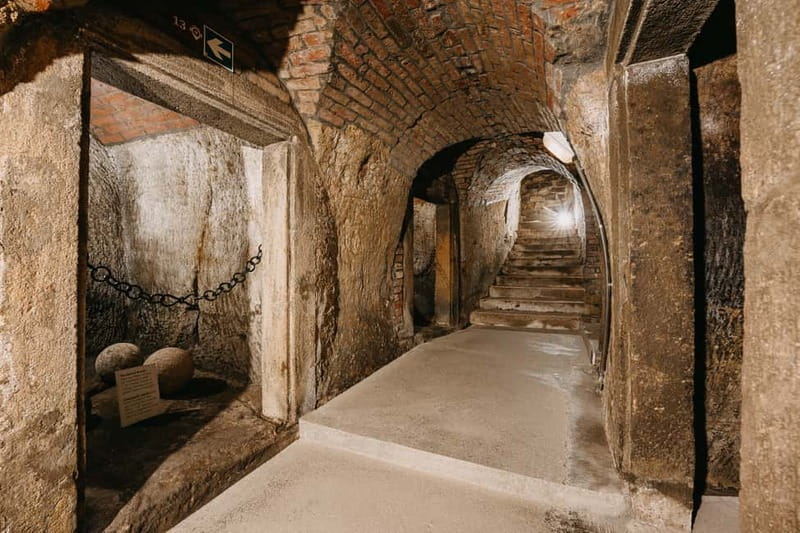
At $11 per person, this is one of the easier Pilsen activities to justify. The ticket includes entry, a guide in the selected language, and an adult beer voucher. You are paying for a focused historical route, not just access to a dark cellar.
The value is strongest if you already plan to visit central Pilsen and want an activity that fits between meals, museums, or brewery stops. One hour is short enough to add without taking over your day.
The beer voucher improves the calculation for adults. A 0.3l tasting is modest, but it gives you a chance to try Pilsner Urquell after seeing the old brewing spaces. Since the voucher is accepted at three named restaurants, you have some choice about where to use it.
Families should calculate more carefully. Children and adults pay the same price, but children under 18 do not receive the beer voucher. The tour can still be worthwhile for older children interested in tunnels, machinery, and town history, but the adult value is better.
A strong score of 4.5 out of 5 from 604 ratings fits the tour’s main strengths: it is inexpensive, short, and offers more historical content than the price suggests. The most consistent praise is tied to the value, with one February 2026 booking describing it as very interesting and excellent for the price. Another recent rating called it simply good. That is a fair picture: the tour has clear appeal, but it is not designed as an elaborate theatrical attraction.
Practical advice before you go
Wear warm clothing. The underground temperature is about 6°C all year, and a light summer outfit may leave you uncomfortable.
Choose sturdy, sensible footwear. High-heeled shoes, especially narrow heels, are not recommended. The route includes old cellars and passageways, so comfortable shoes make more sense than dress shoes.
Allow one hour for the tour itself, then extra time if you plan to use the beer voucher. The voucher can be exchanged at Na Spilce, U Salzmannů, or Na Parkánu, but the tour information does not state how long the voucher remains valid.
The activity offers free cancellation up to 24 hours before the start time and allows you to reserve now and pay later. That is useful if your Pilsen schedule is still changing.
The tour is best for adults and older children who enjoy local history, underground architecture, brewing traditions, or old machinery. It is not a good pick for anyone with claustrophobia, and wheelchair users cannot access the route. Children under three are not allowed inside.
Who should book this underground tour?
I would book it if you have one free hour in Pilsen and want history tied to the city’s most famous product. The underground rooms, ice cellar, wells, and water tower give you physical places to remember, while the final beer voucher keeps the experience relaxed and local.
You should skip it if you dislike enclosed spaces, cannot manage cool conditions, or want an extensive brewery tour with a large tasting. This is a compact historical walk, not a full-day beer program.
For most visitors, the low price and short duration make it an easy addition to a Pilsen itinerary. Bring a warm layer, wear flat shoes, and treat the tasting as a pleasant extra rather than the main event. The real value is seeing how the town’s beer culture was built into the rooms beneath its streets.
FAQ
How long does the Pilsen Historical Underground Tour last?
The tour lasts one hour.
How much does the tour cost?
The price is $11 per person. Children and adults pay the same ticket price.
What languages are available?
The live tour guide is available in English or German. Foreign visitors can also use the SmartGuide application in English or German.
What is included in the ticket?
The ticket includes entry to the historical underground and a local guide in the selected language. Visitors aged 18 or older also receive a beer voucher.
What beer does the voucher provide?
The voucher can be exchanged for a 0.3l tasting of Pilsner Urquell.
Where can I use the beer voucher?
You can exchange it at the Na Spilce, U Salzmannů, or Na Parkánu restaurants.
Do children receive the beer voucher?
No. Beer vouchers are issued only to visitors aged 18 or older.
Are children under three allowed on the route?
No. Children under three are not allowed to enter the Pilsen Historical Underground tour route for safety reasons.
What should I wear?
Bring warm clothing because the underground temperature is around 6°C throughout the year. Flat, comfortable shoes are recommended, and high-heeled shoes are not allowed.
Is the tour suitable for wheelchair users or people with claustrophobia?
No. The tour is not suitable for wheelchair users or people with claustrophobia.
History tours around the world
- Emerald Cave Express Kayak Tour with Scenic & Historic Stops
★ 5.0 · 1,522 reviews - Kuala Lumpur: Batu Caves & Historic Buildings Tour
★ 4.7 · 539 reviews - Guided Tour, Historic Center Sassi Rock Churches and Cave House
★ 5.0 · 461 reviews - Malta: Prehistoric Temples, Limestone Heritage & Blue Grotto
★ 4.2 · 412 reviews
Newly added caves around the world
- Phuket: Starlight Hong Sea Cave & Glowing Plankton by Kayak★ 4.9 · 145 reviews
- Phuket: Bamboo Rafting, Monkey Cave, and ATV Option★ 3.5 · 129 reviews
- Phuket: Monkey Cave, Water Rafting, Zipline with ATV Option★ 3.7 · 161 reviews
- Phong Nha: Zipline Dark Cave & Paradise Cave Exploration★ 4.9 · 84 reviews
- Phranang Cave Sunset with BBQ dinner & Plankton Tour★ 3.2 · 53 reviews
- Phong Nha/Dong Hoi: Phong Nha Cave and Paradise Cave Tour★ 4.9 · 82 reviews
- Phong Nha: Cave Exploration and Zipline Dark Cave Tour★ 4.7 · 87 reviews
- Phong Nha National Park: Paradise Cave Half-Day Tour★ 5.0 · 23 reviews