
Review · QUEBEC, CANADA
Montreal: RESO Underground City and Downtown Walking Tour
Montreal’s RESO Underground City is not one giant tunnel, but a web of connected malls, metro stations, office towers, cafés, hotels, and public spaces. This tour helps you make sense of that maze, then links it to the city streets above. I especially like the mix of architecture and practical navigation, plus the chance to hear how Expo 67 helped shape the network.
I also like the small-group format and the local food list you receive at the end. Guides such as Martin, Catherine, Elise, and Isabelle have been praised for making the subject lively and for giving useful lunch and sightseeing ideas. The main drawback is that you walk about three miles, mostly on foot, with stairs and escalators, so this is not a good fit for wheelchair users or anyone with serious mobility limits.
Key points to know before booking
- The RESO is a working city network: You will see routes used by office workers, shoppers, metro riders, and people escaping Montreal’s cold or summer heat.
- The tour combines indoor and outdoor sights: Expect selected underground sections along with Place Ville-Marie, Christ Church Cathedral, World Trade Centre Montreal, and other downtown landmarks.
- A licensed guide matters here: The official City of Montreal guiding permit adds useful local context to a system that can be confusing on your own.
- Small groups keep the walk personal: The tour is described as limited to 10 people, although the included details also mention a maximum of 12, so confirm the exact number when booking.
- It is useful early in your stay: You learn enough about the RESO and metro connections to move through downtown with more confidence afterward.
- The weather matters less, but not entirely: Much of the route is indoors, yet you still spend part of the two hours outside.
Why Montreal’s underground city needs a guide
The name Underground City can create the wrong picture. You are not walking through one continuous subterranean street. Instead, the RESO is a sprawling pedestrian system spread across downtown, with different buildings and stations joined by passages, escalators, staircases, and indoor public areas.
The network covers more than 33 kilometres, or about 21 miles. You will see only a small section in two hours, but that is the point. A guide can select the parts with the best architecture, public art, and connections instead of leaving you to wander through ordinary shopping corridors.
I find the practical side just as useful as the history. Without help, it is easy to lose your sense of direction underground. A good guide shows how the RESO connects to the Montreal Metro and explains the visual clues that help you find your way later.
The tour also places the network in the story of the city. You hear about Expo 67, urban design choices, and the way Montreal adapted its downtown to extreme seasonal weather. That gives the passages a purpose beyond shopping. They are part of how the city works.
More Catacombs and Underground City Tours in the world:
- Full Day Cappadocia Tour( Red Tour + Underground City )
★ 5.0 · 1,862 reviews - Green Cappadocia Underground City and Valleys Tour. Lunch incl.
★ 5.0 · 1,103 reviews - Cappadocia: Highlights Tour (Red Tour & Underground City)
★ 4.8 · 955 reviews
Starting at 1204 McGill College Avenue
You meet the guide outside Humble Lion café at 1204 McGill College Avenue, between Sainte-Catherine Street and Cathcart Street. Arrive 10 to 15 minutes early. The tour does not wait for late arrivals, and one past participant found the starting location less obvious when a nearby hotel entrance was closed.
That is a useful warning. Give yourself time to identify the café and stand on the sidewalk outside it. The meeting point is in the center of downtown, making it a sensible launch point for a walk that moves between major streets, buildings, and underground links.
The tour is in English, and the guide holds the mandatory City of Montreal guiding permit. This is more than a small detail. Downtown Montreal has plenty of local stories, but the RESO requires a clear explanation of what connects to what. A licensed guide also gives you a more dependable introduction to the city than a casual walk with someone who simply knows a few places.
MTL Detours is a locally owned Montreal company. The company uses guides including Martin, Catherine, Caroline, Darren, Emily, Elise, Isabelle, Gabriella, Amelie, and others. The strongest praise consistently goes to the guides’ warmth, clear explanations, patience, and ability to answer questions.
Following the RESO through downtown
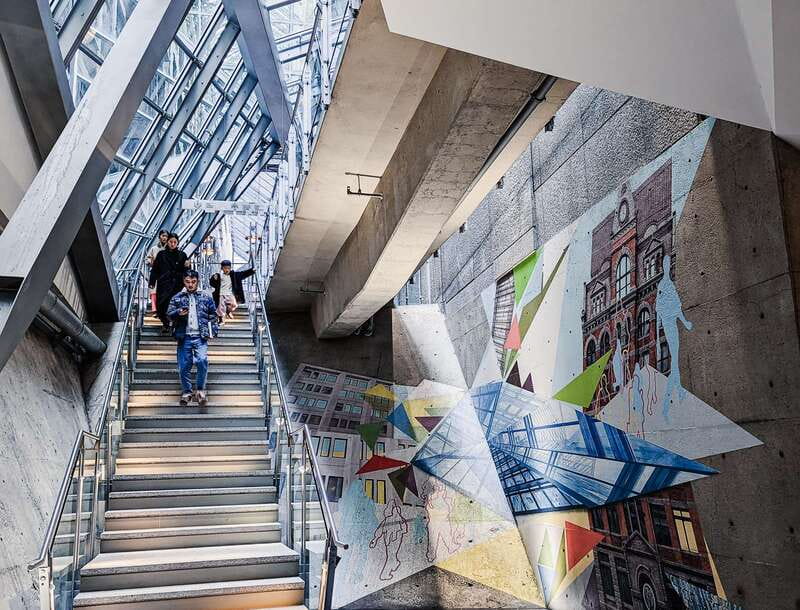
Once the walk begins, expect a blend of movement and explanation. You will go below street level, pass through selected parts of the indoor network, and come back outside for downtown sights. The route is designed to show how the pieces fit together, not to cover every metre of the system.
The metro connection is one of the most useful parts. Montreal’s Metro stations feed into the RESO, but the handoffs are not always obvious. Your guide explains how the system works so you can later use it to reach shops, food halls, office towers, hotels, and other downtown addresses.
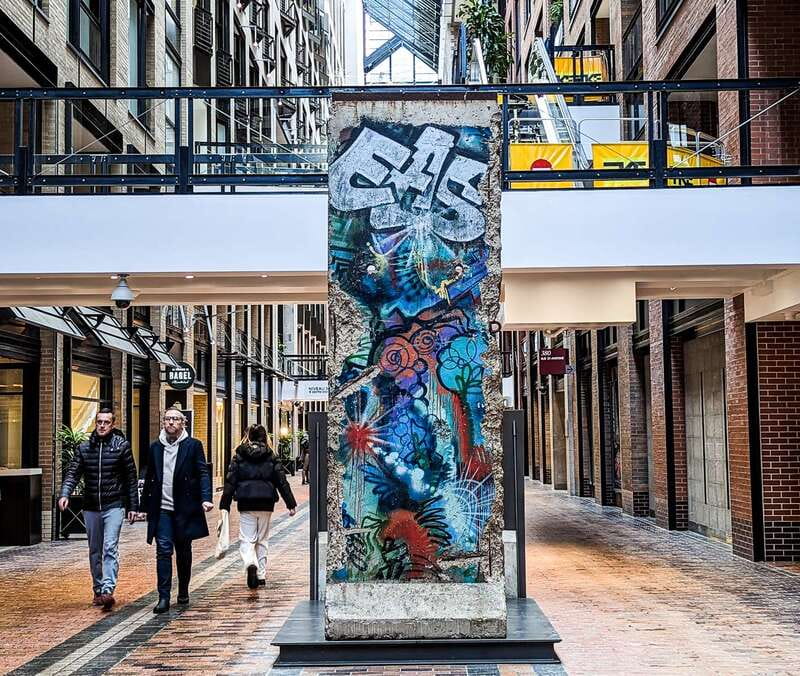
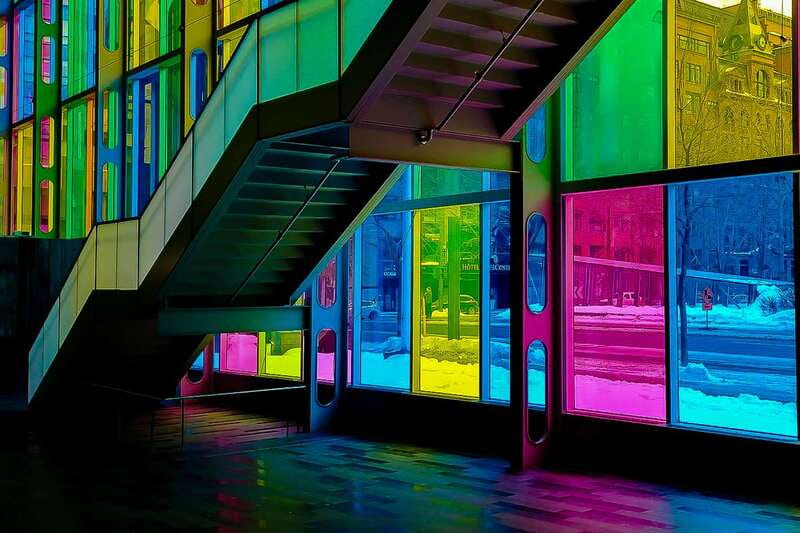
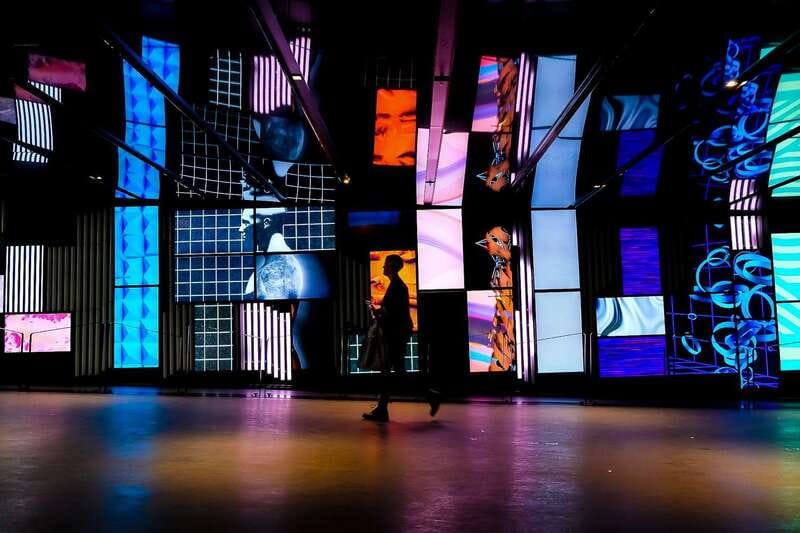
Do not expect a silent tunnel walk. Parts of the route pass through commercial interiors, and the setting can feel more like an indoor city than an historic site. That is also what makes the tour worthwhile. The guide points out details you could easily pass without noticing, including public art, design features, and odd bits of architecture.
You will also hear how locals use the RESO in everyday life. In winter, it offers shelter from wind, snow, and bitter temperatures. In summer, it gives you air-conditioned routes between major downtown destinations. Office workers use it for commuting, shoppers use it for errands, and metro passengers use it to reach nearby buildings.
The network can feel practical rather than pretty in some stretches. That is an honest part of the experience. A few corridors may look like ordinary retail space, and the tour cannot show the entire 33-kilometre system. Still, the guide chooses sections that show the network’s unusual design and purpose.
Place Ville-Marie and the architecture above ground
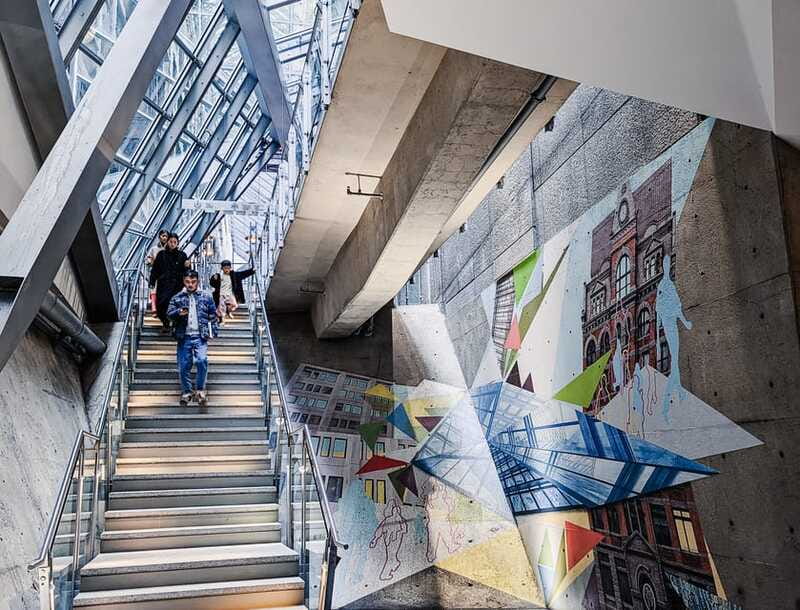
The tour does not keep you below street level for the full two hours. It brings you back outside to connect the underground system with Montreal’s downtown identity.
Place Ville-Marie is one of the named landmarks on the route. Its importance is not just visual. It helps explain the scale of the modern downtown and the way major buildings became anchors for the RESO. Seeing the indoor passages and the street-level buildings together makes the system easier to understand.
The outdoor portions also give you a break from enclosed corridors. You can look up, orient yourself by streets and towers, and see how the downtown grid relates to the underground routes. If you want many long photo stops, this may feel a little brisk. One participant appreciated the tour but wished for more time here and there to take pictures.
That tradeoff is built into the format. The tour lasts two hours and covers about three miles, so the guide has to keep moving. You get more ground and more context than you would on a slow architectural stroll, but you may need to return later for photographs.
More cave tours around the world:
- Portimão: Benagil Caves Speed Boat Tour with Sunset Option
★ 4.8 · 11,663 reviews - Albufeira: 2.5-Hour Benagil Caves & Dolphin Watching
★ 4.6 · 10,710 reviews - Blue Cave Small-Group Boat Tour from Dubrovnik
★ 5.0 · 9,360 reviews - Best Niagara Falls US Tour W/Boat Ride, Cave & More Wonders!
★ 5.0 · 8,372 reviews
Christ Church Cathedral and World Trade Centre Montreal
Christ Church Cathedral is another important above-ground stop. It adds contrast to the modern office towers and commercial passages. The cathedral helps show that central Montreal is not only a business district. Older landmarks sit close to newer structures, and the walking route lets you see both within the same compact area.
World Trade Centre Montreal brings the focus back to the city’s modern commercial side. Along with Place Ville-Marie, it shows how downtown buildings connect interior public areas with streets, hotels, shops, and transit.
The value here is the comparison. The RESO can seem disconnected from the city if you only see its escalators and corridors. The outdoor stops give you a clearer picture of where you are and why the indoor network was built in this part of Montreal.
Your guide may also point out public art and less obvious architectural details along the way. The exact emphasis can vary by guide and conditions, but the experience is built around more than simple directions. Guides such as Caroline have been praised for adding amusing facts, while Isabelle and Elise have been singled out for explaining art and small details that are easy to miss.
What the two-hour pace feels like
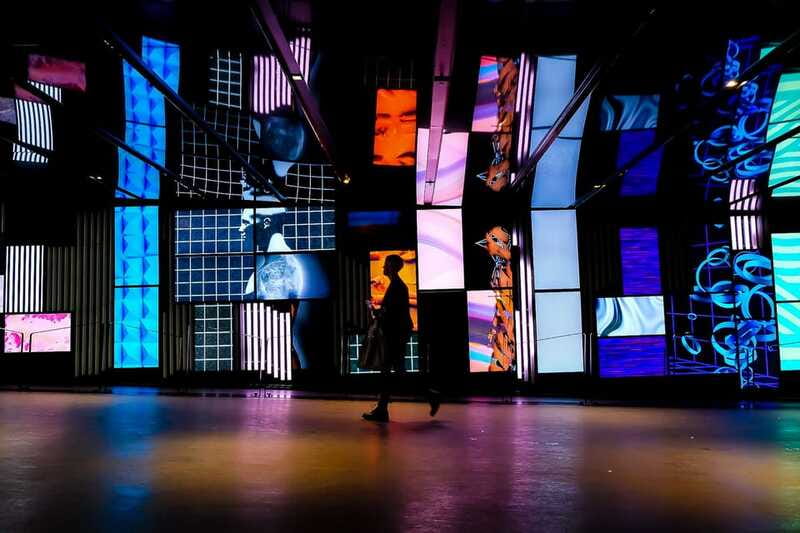
This is an active walking tour, not a seated introduction. You cover roughly three miles and use stairs, including some steep sections, as well as escalators. Most stairs are described as going down, but you should still expect repeated changes in level.
You need a moderate level of fitness. Wear shoes you can walk in for two hours, and dress for the weather because the route includes outdoor sections. A cold or rainy day is a particularly sensible time to book, since the RESO provides shelter while the outdoor sections keep the walk from feeling enclosed.
The route can also work on a hot day, but do not assume you will remain indoors. In warm weather, you still need suitable clothing and comfortable footwear.
The group size helps with the pace. A small group is easier to keep together at staircases and escalators, and you can ask questions without trying to speak over a crowd. The advertised limit is 10 participants, though the activity details also state a maximum of 12. If a very small group is important to you, check the confirmed limit before paying.
The guide makes the difference
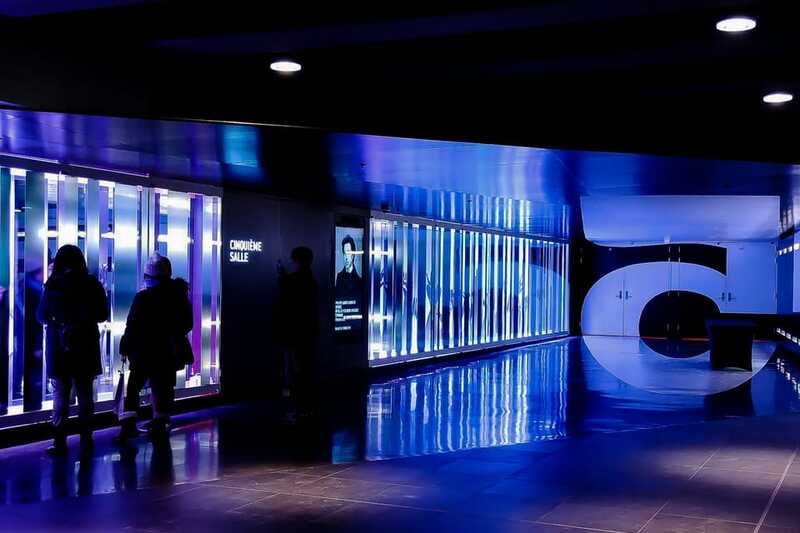
This tour depends heavily on the person leading it. The system itself can be interesting, but the quality comes from connecting routes, buildings, history, and daily life in a clear way.
Martin is frequently praised for explaining the RESO and offering practical restaurant and lunch suggestions. Catherine has been described as patient and friendly, with a talent for making the system easy to follow. Elise and Isabelle receive strong praise for combining facts with humor and personal warmth.
Other guides, including Amelie, Gabriella, Caroline, Darren, Emily, and Sylvia, have also been praised for their ability to answer questions and adjust to the group. That matters because a walking tour can easily become a list of dates and building names. Here, the best guides add stories, explain why things look the way they do, and help you feel comfortable asking for more detail.
The experience does not promise the same guide for every departure. You should book for the route and format rather than a particular person unless the booking system specifically identifies your guide.
Is $30 a good value?
At $30 per person, I consider this a reasonable price for a two-hour licensed walking tour in central Montreal. You are paying for more than access to public corridors. The guide provides context, shows you selected sections that are hard to identify alone, explains the metro links, and adds above-ground landmarks.
The value is strongest if you plan to use downtown during your stay. After the walk, you can return to the RESO for shopping, food, metro connections, or shelter from bad weather. The guide’s explanation may save you time and frustration, especially if you have only a few days in Montreal.
The price is less compelling if you want a leisurely architectural photo walk or a full tour of the entire network. You will see selected sections, not all 33 kilometres, and the pace leaves limited time for long stops.
A printed list of recommended restaurants, cafés, bars, and cultural places adds a useful final touch. It is not a meal or a discount package, but it can help you decide what to do next. Several people used the suggestions for lunch and places to explore after the walk.
Who should book this Montreal walking tour?
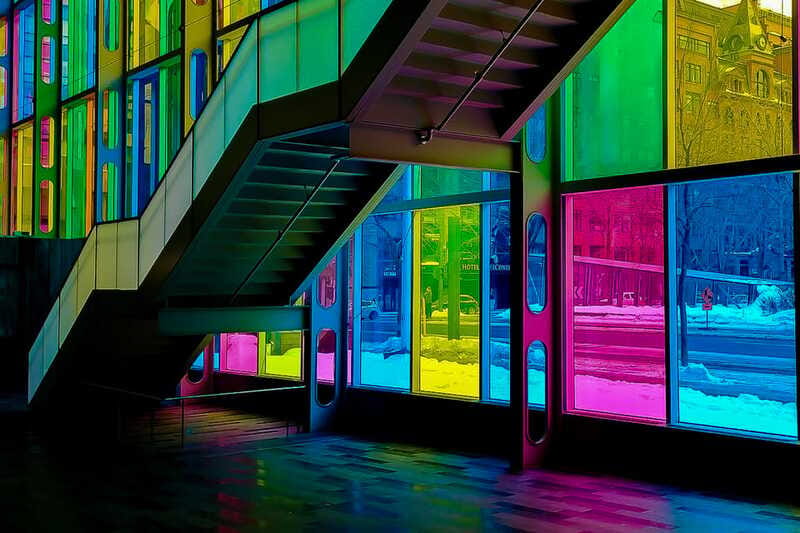
I would book this early in a Montreal visit. It gives you a working map of downtown and can help you use the RESO on your own for the rest of the trip.
The tour suits adults and children aged 12 or older who enjoy city history, architecture, public art, and practical local orientation. It is also a smart choice for a cold, wet, or very hot day when an outdoor-only walking tour would be less comfortable.
It is not suitable for children under 12, wheelchair users, people with visual impairments, or people with mobility issues. Serious medical conditions or impairments are also listed as reasons not to take it. Since all participants need paid tickets, there is no free child place for younger family members.
The English-only format is another point to consider. If you need a tour in another language, this is not the right choice.
Final verdict: book it for insight, not just tunnels
Book this tour if you want to understand how Montreal’s underground network works and why it became such a major part of downtown life. The combination of selected RESO passages, metro guidance, modern architecture, older landmarks, and local food tips gives you more than a simple walk through shopping areas.
I would skip it only if stairs are a serious concern, if you need a wheelchair-accessible route, or if your main goal is a slow photo tour with long stops. For most independent-minded visitors, the best plan is to take it near the start of your stay, listen closely to the navigation advice, and use the rest of the day to try one of the suggested places on your own.
FAQ
How long is the Montreal RESO and downtown walking tour?
The tour lasts two hours and covers about three miles of walking.
What is included in the price?
The $30 price includes a licensed, certified guide with an official City of Montreal permit, the two-hour small-group tour, access to selected RESO sections, downtown sightseeing, and a printed list of recommended places.
Is the tour conducted in English?
Yes. The live tour guide speaks English, and English is the only language listed for this activity.
Where does the tour meet?
Meet your MTL Detours guide on the sidewalk outside Humble Lion café at 1204 McGill College Avenue, between Sainte-Catherine Street and Cathcart Street.
How early should I arrive?
Arrive 10 to 15 minutes before the scheduled start. The tour does not wait for latecomers.
How large is the group?
The tour is promoted as a small group limited to 10 participants. The included activity details also list a maximum of 12, so confirm the exact group limit when booking.
Is the route indoors or outdoors?
It is a combination of both. You visit selected indoor sections of the RESO and walk outside to see downtown landmarks, so dress for the weather.
Is the tour suitable for people with mobility issues?
No. The route includes stairs, steep sections, and escalators, and the activity is not recommended for people with mobility impairments, wheelchair users, visually impaired people, or serious medical conditions.
Can I cancel the tour?
Yes. You can cancel up to 24 hours in advance for a full refund. The activity also offers a reserve-now-and-pay-later option.
Newly added caves around the world
- Phuket: Starlight Hong Sea Cave & Glowing Plankton by Kayak★ 4.9 · 145 reviews
- Phuket: Monkey Cave, Water Rafting, Zipline with ATV Option★ 3.7 · 161 reviews
- Phuket: Bamboo Rafting, Monkey Cave, and ATV Option★ 3.5 · 129 reviews
- Phong Nha: Zipline Dark Cave & Paradise Cave Exploration★ 4.9 · 84 reviews
- Phranang Cave Sunset with BBQ dinner & Plankton Tour★ 3.2 · 53 reviews
- Phong Nha/Dong Hoi: Phong Nha Cave and Paradise Cave Tour★ 4.9 · 82 reviews
- Phong Nha: Cave Exploration and Zipline Dark Cave Tour★ 4.7 · 87 reviews
- Phong Nha National Park: Paradise Cave Half-Day Tour★ 5.0 · 23 reviews