
Review · QUEBEC, CANADA
Montreal: Discover Reso – The Underground City
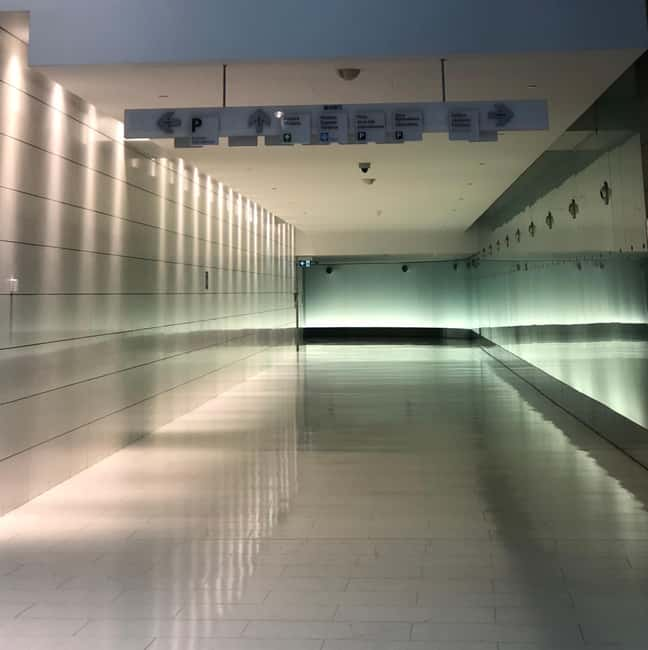
Montreal’s RESO is not just a shopping arcade below the streets. It is a 33-kilometre indoor network linking offices, malls, restaurants, hotels, metro stations, museums, and transit hubs. This two-hour walk with local guide Misha gives you a practical way into a place that can feel confusing at first.
I like two things right away: the tour works well in bad weather, and it teaches you how to find your way around on your own. I also like the mix of useful stops and oddball sights, from a piece of the Berlin Wall to the Barbie Expo. The trade-off is simple: you will walk a lot, climb stairs, and spend much of the tour moving between places rather than lingering at one attraction.
Why this RESO tour earns a place on your Montreal plans
- A 33-kilometre indoor route: See how downtown Montreal connects below street level.
- A local guide who teaches the system: Misha explains the tunnels, maps, and metro in English or French.
- Unexpected sights: Find the Berlin Wall, God of the Sea statue, indoor ice rink, The Ring, and Barbie Expo.
- Useful early-trip orientation: Learn routes you can use later for shopping, dining, museums, and transit.
- Small groups of up to 10: Easier to ask questions and stay with the guide.
- Good weather insurance: A practical choice for cold, rain, or extreme heat.
Starting at the fountain in Complexe Desjardins
The tour begins inside Complexe Desjardins at 175 René-Lévesque Boulevard West. Once inside, head downstairs to the main atrium and look for the large circular fountain. Benches sit nearby, and the food court area has coffee shops and restrooms.
This is a sensible meeting point, especially in winter. You do not need to begin the tour standing outside in the cold while trying to spot a guide. The fountain is also a clear landmark, which matters in a district filled with signs, corridors, stairways, and several large buildings.
Misha meets the group there and sets the tone with an introduction to Montreal’s underground network. Her style is personal and practical. She shares her experience as a Montreal native, explains what you are looking at, and helps you connect the passages to the streets above.
Bring a camera. The tour is built around photo opportunities, and Misha points out good angles along the way. You should also wear comfortable shoes. Two hours may not sound long, but the route covers plenty of ground and includes stairs.
More Catacombs and Underground City Tours in the world:
- Full Day Cappadocia Tour( Red Tour + Underground City )
★ 5.0 · 1,862 reviews - Green Cappadocia Underground City and Valleys Tour. Lunch incl.
★ 5.0 · 1,103 reviews - Cappadocia: Highlights Tour (Red Tour & Underground City)
★ 4.8 · 955 reviews
What RESO really is, and why a guide helps
Montreal’s underground city is often described as one place, but RESO is really a connected network of indoor passages and commercial complexes. Different sections have different designs, entrances, businesses, signs, and levels.
That variety is part of the fun, but it can also make independent exploring slow. You may know the name of a shopping center yet still have trouble working out which corridor, staircase, or metro entrance leads there. Misha’s tour gives you a map in your head, not just a list of buildings.
The route also shows that RESO is not a single enclosed cavern. Some portions feel like polished shopping galleries. Others function as office connections or transit walkways. You will see places designed for daily city life rather than sightseeing alone.
That is why I would take this tour early in a Montreal visit. You can return later to shops, restaurants, the metro, and attractions with more confidence. One useful part of the experience is a short Metro 101 lesson followed by a ride, which gives you a working introduction to the city’s transit system.
Complexe Desjardins, souvenirs, and a bank turned café
From the starting point, the walk moves through the commercial heart of RESO. Complexe Desjardins offers an easy introduction because it combines open public space, food, shops, and clear visual landmarks.
A local souvenir shop adds a quick shopping stop. This is not a major museum visit, but it gives you a chance to see the kind of retail found throughout the network and consider what might be worth returning for later.
The historic bank turned café is a more interesting stop. It shows how older downtown spaces can be given new life while keeping traces of their former purpose. You can pause for a drink at places along the route, but food and drinks are not included in the price.
These early stops also help you understand the practical role of RESO. People use it to get coffee, shop, eat lunch, reach work, and avoid the weather. It is a functioning part of Montreal, not a staged attraction built only for sightseeing.
The World Trade Centre and the Berlin Wall
The World Trade Centre of Montreal brings a stronger sense of place and history to the walk. Here you see a section of the Berlin Wall, along with the large God of the Sea statue.
The Berlin Wall fragment is the kind of sight that many people would pass without finding on their own. It gives the route a surprising international link, while the statue adds a completely different visual note. This combination is a good example of the tour’s appeal: you move from everyday retail spaces to public art and historic objects within a short walk.
Misha explains the stops rather than simply pointing them out. That matters in RESO, where a quick photo without context can leave you wondering why a particular object is there.
More cave tours around the world:
- Portimão: Benagil Caves Speed Boat Tour with Sunset Option
★ 4.8 · 11,663 reviews - Albufeira: 2.5-Hour Benagil Caves & Dolphin Watching
★ 4.6 · 10,710 reviews - Blue Cave Small-Group Boat Tour from Dubrovnik
★ 5.0 · 9,360 reviews - Best Niagara Falls US Tour W/Boat Ride, Cave & More Wonders!
★ 5.0 · 8,372 reviews
Metro 101 and the short ride
The metro lesson is one of the most useful parts of the tour. If you are unfamiliar with Montreal’s system, a short explanation can save time and reduce hesitation for the rest of your trip.
You learn the basics before taking a ride, then use the system as part of the route. The format is helpful because you are not trying to understand a map in the middle of a busy travel day. You can ask questions while the guide is nearby.
Several people who took this experience found the metro instruction especially useful. It gave them the confidence to travel farther on their own, including to places such as the farmers market and the botanical garden area after the tour.
This section also breaks up the walking. Still, you should not expect the metro ride to be a major sightseeing event. Its value is practical: it shows you how the underground passages and transit system fit together.
The indoor ice rink at 1000 de la Gauchetière
The 1000 de la Gauchetière ice rink is one of the route’s most unusual stops. An indoor rink operating year-round is a memorable contrast to the office towers and shopping corridors around it.
The tour includes a visit to the rink, and skating may depend on the schedule. Check ahead if skating is important to you. The available schedule can affect what you do there, so treat the rink as a visual stop unless you have confirmed the timing.
This is also a good reminder to dress in layers. RESO connects areas with different temperatures, and the rink section may feel cooler than a shopping center or café. The tour information specifically advises preparing for changing temperatures underground.
Central Station, Cathcart Terrace, and The Ring
Central Station gives you a look at Montreal’s main transit hub. It helps place the underground network in a wider city context, showing how RESO connects with rail and public transportation as well as shops and offices.
The route then reaches Cathcart Terrace restaurant and Biergarten. This is a stylish food and drink stop, but your meal is not included. You can note it as a place to return to, or buy something if time and appetite allow.
One of the most striking above-ground moments comes at The Ring. The large circular structure frames more than 200 years of downtown history and offers a change from the enclosed passages. You step outside briefly to see the city from a wider angle.
That contrast improves the tour. If the entire walk stayed indoors, you might lose track of how the underground spaces relate to Montreal above. The Ring gives you a visual reset and a useful orientation point.
Espresso, fresh juice, and the practical side of the tunnels
A short espresso or fresh juice stop gives the group a chance to recharge. It is not included as a full meal or tasting package, so plan to pay for your own drink.
This pause is useful because the route is active. You are walking, listening, taking photos, and adjusting to different indoor spaces. A quick drink keeps the tour from feeling like a nonstop march.
The food and drink stops also show how residents use RESO. The network is not only a way to escape snow or rain. It is part of the daily rhythm of downtown, with cafés and restaurants woven into the passages.
Les Cours Mont-Royal and the Barbie Expo
Les Cours Mont-Royal brings elegant architecture to the route. It has a more polished feel than some of the busier commercial sections, giving you another example of how different buildings connect through RESO.
The Barbie Expo is the tour’s most playful stop. It is a strong choice for anyone who enjoys colorful displays and photography. The experience includes access to a selfie zone, and Misha pays attention to photo-ready places throughout the walk.
This part will not appeal equally to everyone. If you have no interest in fashion, pop culture, or staged displays, you may find it less important than the World Trade Centre or metro lesson. For photographers and families with older children, it can be one of the most entertaining sections.
The route also includes Eaton Centre, now associated with Time Out Market, Place Montreal Trust, and a shopping route map with instructions. These stops make the tour useful beyond the two-hour visit. You can return later for food, shopping, or a more relaxed look at the places that caught your eye.
How much walking and effort should you expect?
This is a walking tour, not a seated presentation. You will cover a large section of the central network, use stairs, and move between buildings. One participant specifically noted the amount of walking and stair climbing, so take that seriously if you have a low fitness level.
Baby strollers, luggage, and large bags are not allowed. The experience is not suitable for children under five, wheelchair users, or people with low fitness. Those limits are important because RESO includes changes in level and a steady pace.
The group is limited to 10 people. That is small enough for questions and personal help, while still giving the tour a social feel. Misha also guides in English and French, making the experience accessible to both language groups.
Price, timing, and overall value
At $29 per person, the tour is priced more like a city orientation walk than a ticketed attraction. You are paying for a guide who helps you understand a confusing network, not for admission to a single major museum.
The value is strongest if you are new to Montreal, visiting in winter, or interested in architecture, public art, shopping, and city systems. The Metro 101 lesson alone can save you from relying on taxis or rideshares for every trip. The small group and broad route add to the usefulness.
The price does not cover meals, drinks, personal shopping, or hotel pickup. Treat the espresso, juice, Cathcart Terrace, and other food stops as optional purchases. You may also want to budget for purchases at the souvenir shop, shopping centers, or Barbie Expo if you plan to spend time there afterward.
The tour lasts about two hours, though the route can feel full because it includes many stops. One scheduled outing ran closer to two and a half hours, so avoid booking something immediately afterward if you need to be across town at a fixed time.
The best day to book it
I would choose this tour near the start of your Montreal stay. The route gives you practical information you can use for the rest of the visit, including metro basics, shopping areas, restaurants, and links between downtown buildings.
It is especially useful on a cold day, rainy day, or heat wave. You remain mostly indoors, though the route includes a short outdoor look at The Ring. On a sunny, mild day, you may prefer Montreal’s parks, streets, and neighborhoods, but RESO still offers something you will not understand as easily from above ground.
You should also check the ice rink schedule before booking if that stop is a priority. The route includes the rink, but the timing of skating activity can vary.
Who should book this experience?
You should consider it if you are a first-time visitor, prefer small groups, enjoy taking photos, or want help using public transit. It also suits repeat visitors who have spent time downtown but never figured out the underground connections.
I would be cautious if you dislike shopping centers, have trouble with stairs, need wheelchair access, or want a slow tour with long stops at each location. The route is broad and energetic. You see many places, but the experience is about orientation and discovery rather than detailed study of one building.
Misha’s personal approach is a major part of the experience. She brings local recommendations, helps people find their way, and has a friendly, upbeat way of keeping the group involved. If you want a formal institutional account of Montreal, this is not that. It is a local storytelling walk shaped by personal experience.
Should you book the Discover RESO tour?
Book it if you want to understand Montreal’s underground network instead of merely passing through it by accident. The Berlin Wall, God of the Sea statue, indoor ice rink, The Ring, Barbie Expo, and metro ride give the tour plenty of variety.
The strongest reason to go is practical. After two hours with Misha, you should feel more comfortable finding the passages, linking buildings, and using the metro. At $29, that is a fair deal if you plan to spend time downtown or visit during difficult weather.
Skip it if you need a fully accessible route, dislike walking and stairs, or want a classic old Montreal history tour. For everyone else, especially visitors booking early in their trip, this is a smart way to get oriented and see a side of Montreal that is easy to miss.
FAQ
Where does the tour meet?
Meet inside Complexe Desjardins at 175 René-Lévesque Boulevard West in Montreal. Go downstairs to the main atrium near the large fountain, where the guide waits near the benches.
How long does the tour last?
The scheduled duration is about two hours. Allow extra flexibility, since one outing lasted about two and a half hours.
How much does the tour cost?
The price is $29 per person.
Is the tour offered in English?
Yes. The live tour is available in English and French.
How many people can join the group?
The group is limited to 10 participants.
Are food and drinks included?
No. Meals, drinks, espresso, juice, and personal purchases are not included unless specifically provided during the experience.
Is hotel pickup included?
No. Hotel pickup and drop-off are not included.
Is the ice rink open year-round?
The indoor rink at 1000 de la Gauchetière is open year-round, but you should check its schedule in advance if you want to skate.
Is the tour suitable for wheelchair users?
No. The activity is listed as not suitable for wheelchair users.
Can children join the tour?
Children under five cannot join. Unaccompanied minors are also not allowed.
What should I bring?
Wear comfortable walking shoes and bring a camera. Prepare for changing temperatures within the underground network, and avoid bringing luggage, large bags, or baby strollers.
Newly added caves around the world
- Phuket: Starlight Hong Sea Cave & Glowing Plankton by Kayak★ 4.9 · 145 reviews
- Phuket: Monkey Cave, Water Rafting, Zipline with ATV Option★ 3.7 · 161 reviews
- Phuket: Bamboo Rafting, Monkey Cave, and ATV Option★ 3.5 · 129 reviews
- Phong Nha: Zipline Dark Cave & Paradise Cave Exploration★ 4.9 · 84 reviews
- Phranang Cave Sunset with BBQ dinner & Plankton Tour★ 3.2 · 53 reviews
- Phong Nha/Dong Hoi: Phong Nha Cave and Paradise Cave Tour★ 4.9 · 82 reviews
- Phong Nha: Cave Exploration and Zipline Dark Cave Tour★ 4.7 · 87 reviews
- Phong Nha National Park: Paradise Cave Half-Day Tour★ 5.0 · 23 reviews