
Review · TBILISI
From Tbilisi: Mtskheta, Jvari, Gori & Uplistsikhe Cave Tour
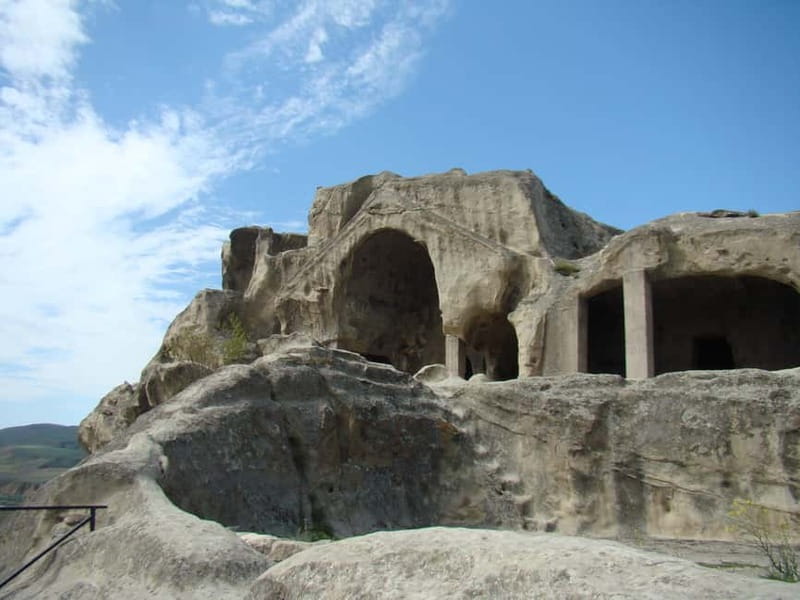
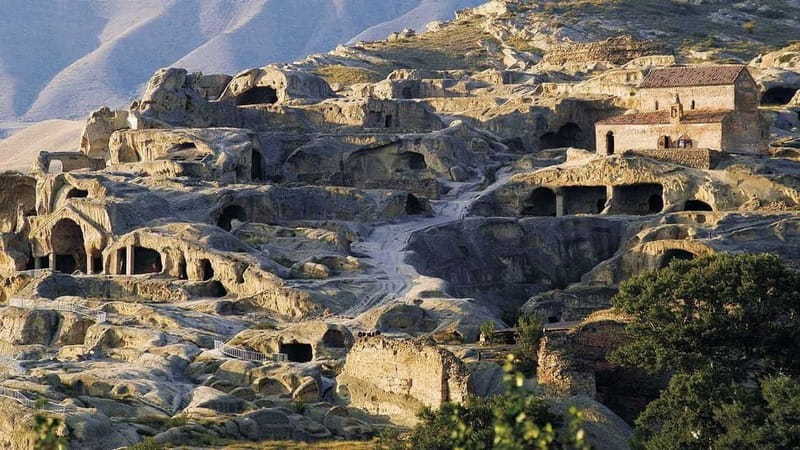
Uplistsikhe is the big payoff here: a rough, open-air cave city carved into rock beside the Kura River. In one day, you also get Mtskheta’s churches, the hilltop Jvari Monastery, Gori’s Stalin Museum, and the famous meeting point of the Aragvi and Mtkvari rivers. I especially like the mix of ancient caves and Christian monuments, plus the excellent $23 price for a full day outside Tbilisi.
I also like that the guides, including David, Tamara, Jimmy, Misha, and others, explain Georgia’s story in both English and Russian and usually leave time to look around. The tradeoff is a busy schedule and plenty of walking, with Uplistsikhe involving climbs and uneven ground. Tall passengers may also find the minibus legroom tight.
Key points to know before booking
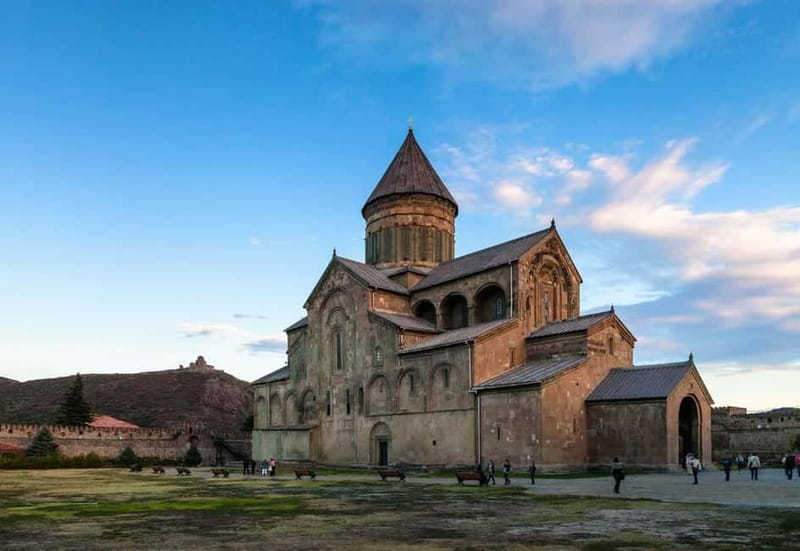
- Uplistsikhe supplies the most memorable setting: Explore rock-cut rooms, passageways, and open spaces above the Kura River.
- Jvari gives you the classic view: From the hilltop, you can see Mtskheta and the meeting of the Aragvi and Mtkvari rivers.
- Mtskheta brings together two major stops: Visit the old city and the UNESCO-listed Svetitskhoveli Cathedral.
- Gori adds a difficult chapter: The Stalin Museum offers a focused look at the Soviet leader born in the city.
- The value is hard to beat: At $23, the price covers the guide and bus transportation, but not admission tickets or food.
- Pack for active sightseeing: Wear sports shoes, carry water, and expect a long day of walking, especially at Uplistsikhe.
Why this day trip works from Tbilisi
This is a history-heavy outing, not a casual countryside drive with a few photo stops. In nine hours, you move through Georgia’s pre-Christian past, medieval religious life, imperial-era stories, and the Soviet period.
That range is the main reason I would choose it early in a Tbilisi visit. You get a useful outline of the country in a single day. The stops are also different enough to keep the day from feeling repetitive: a church, a cathedral, a museum, and a cave settlement.
The tour begins at the Château Mukhrani Wine Bar in Gorgasli Square, near the large I LOVE TBILISI sign in front of Meidan Bazar. The supplied meeting information also gives 6 Samghebro Street, so check the exact confirmation details before setting out. The meeting point is central, but allow time to find the wine bar among the busy streets around Meidan Square.
Transportation and a guide are included. Food, drinks, and admission tickets are not. At $23 per person, that is a low-cost way to reach four important places that would otherwise require separate transport planning. You should still budget for the Stalin Museum, Uplistsikhe, and any other paid entry on the day.
The bus ride takes you through the countryside around Tbilisi and Shida Kartli. Some departures have used a clean Mercedes minibus with air conditioning and leather seats, though legroom can be limited. If you are tall, try to arrive early enough to make your seating choice, and do not expect a roomy coach on every departure.
More cave tours around Georgia:
- From Tbilisi: Kutaisi Canyons and Caves Full Day Tour
★ 4.8 · 1,051 reviews - Kutaisi: Martvili & Okatse Canyons & Prometheus Cave Tour
★ 4.9 · 829 reviews - Kutaisi Canyons and Caves from Tbilisi Full Day Tour
★ 5.0 · 448 reviews
Jvari Monastery and the river meeting point
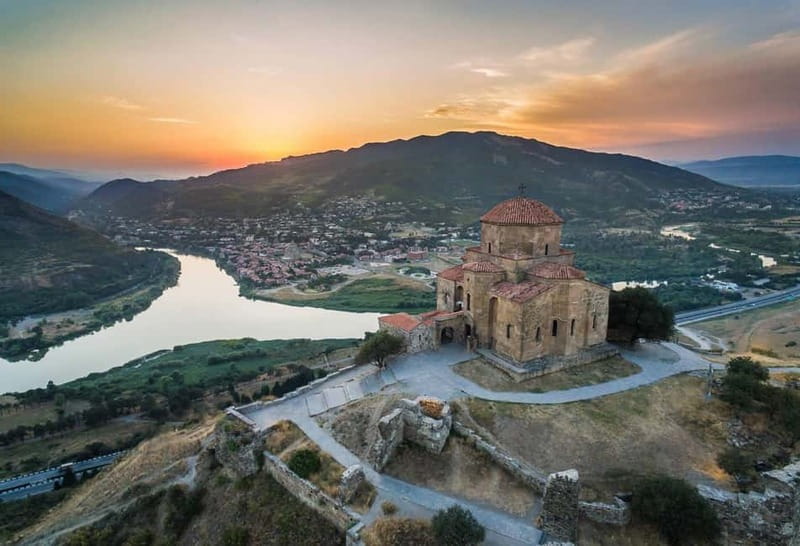
The first major stop is usually Jvari Monastery, a sixth-century domed church on a hill above Mtskheta. The itinerary allows about 105 minutes here, including a guided visit, walking, free time, and photos.
Jvari is special because the building and its setting work together. The church seems to grow from the hill rather than sit apart from it. Below, the Aragvi and Mtkvari rivers meet near Mtskheta, one of the most recognizable views in this part of Georgia.
The site also carries a key Christian story. Saint Nino is said to have converted King Mirian III of Iberia to Christianity here. The story gives the stone church more meaning than its compact size might suggest.
Bring a jacket in cooler months and secure your hat in windy weather. This is an exposed hilltop, and the visit is mainly about the church, the view, and the calm of the setting. There is not a long list of rooms or exhibits to inspect.
The order may feel slightly unusual if you expect to begin in Mtskheta itself. Visiting Jvari first gives you the broad view before you walk through the old city below. It also helps you understand Mtskheta’s position at the river junction.
Mtskheta and Svetitskhoveli Cathedral
Mtskheta is one of the oldest continuously inhabited cities in the world, with a history reaching back to around 11,000 BC. That figure is difficult to picture while walking its compact streets, but the city’s long importance is clear from its churches and location.
You receive around 30 minutes for Mtskheta itself, followed by about 40 minutes at Svetitskhoveli Cathedral. Those times can change with traffic, services, and the pace of the group, but the split gives you a chance to see both the town and its main church.
Svetitskhoveli is one of Georgia’s most important religious buildings and a UNESCO-listed site. Your guide explains the cathedral and the traditions tied to it, then you have time for photographs and a short walk through the surrounding area.
If a service is taking place, access inside can be restricted. One family reported that their guide and driver arranged a return visit later in the day when a mass had prevented entry earlier. That kind of flexibility is useful, though you should not assume every timing problem can be solved.
Mtskheta is also your chance to pause, browse, and buy something small. The stop is not long enough for a leisurely town visit, so keep an eye on the meeting time. The area around the cathedral can feel busy, and it is easy to spend too long looking at shops when the bus is waiting.
Gori and the Stalin Museum
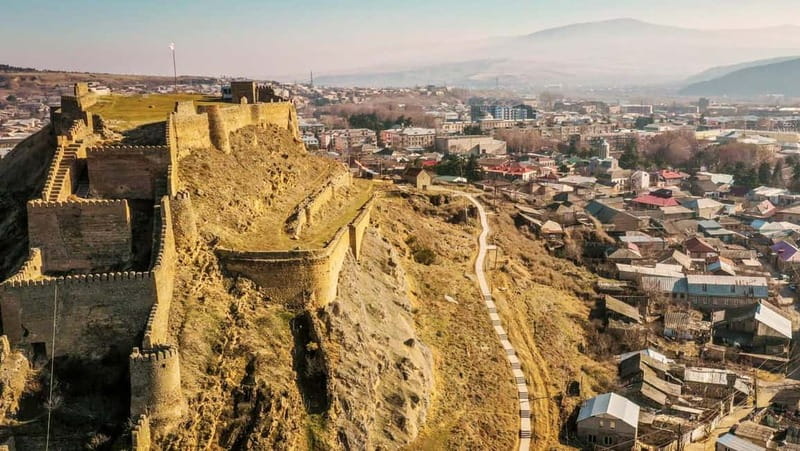
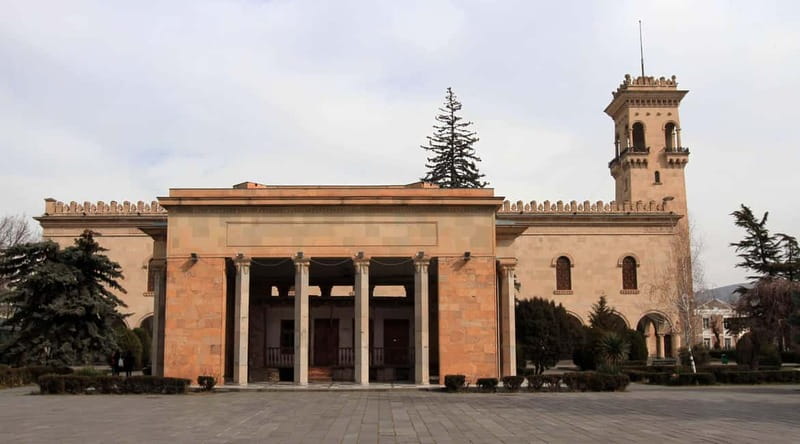
Gori changes the tone of the day. This is the birthplace of Joseph Stalin, and the museum presents objects and displays connected with his life and political career. The museum entry is optional and costs extra.
The planned stop gives about 30 minutes in Gori, followed by around 50 minutes at the Stalin Museum. That can be enough for a focused visit, but it is not generous if you want to read every display or spend time at nearby sights. One useful point from the schedule is that the museum is treated as a separate visit, so you can decide if it suits your interests before paying for admission.
I would choose the museum if you want to understand how Stalin is presented in his birthplace and if Soviet history interests you. It may feel less essential if your priority is medieval Georgia, religious architecture, or outdoor scenery. Some people find the museum compelling, while others would prefer more time at Gori’s other sights.
The museum can also become crowded, which makes the 50-minute window feel shorter. If you enter, stay focused and ask your guide what deserves your attention first. The guide can provide context, but museum staff or the exhibits themselves may handle some of the detailed material.
This stop is one reason the tour suits history fans more than casual sightseers. You are not only looking at attractive buildings. You are moving through complicated parts of Georgian and Soviet identity, including a figure whose legacy remains highly controversial.
Same rock, a different way in:
- From Batumi: Martvili Canyon and Prometheus Cave Tour
★ 4.8 · 313 reviews - CANYONS & CAVE Tour from Kutaisi – Okatse, Martvili & Prometheus
★ 4.5 · 307 reviews - Kutaisi: Prometheus Cave & Martvili Canyon Guided Tours
★ 4.7 · 206 reviews - Prometheus Cave, Martvili & Okatse Canyon from Kutaisi
★ 4.7 · 180 reviews
Uplistsikhe, Georgia’s rock-cut city
Uplistsikhe is the strongest outdoor stop on the route. This ancient settlement was cut into rock above the Kura River and offers a direct sense of how people lived in pre-Christian Georgia.
The visit lasts about one hour, though the walking time can feel longer because of the uneven surfaces and climbs. You move through carved rooms, passages, chambers, and open spaces rather than a polished museum. The worn stone and exposed position make the site feel immediate.
This is where sports shoes matter. Sandals, smooth soles, skirts, and dresses are poor choices for climbing over rough ground. Bring water, especially in summer. One July visit was described as enjoyable for a family with a ten-year-old, but the advice was clear: hot days demand extra water and comfortable footwear.
The caves are not all equally easy to reach. You might find narrow sections, steps, and sloping rock underfoot. Stay close enough to hear the guide’s explanation, but leave yourself time to look at the site rather than rushing from one chamber to the next.
Uplistsikhe also gives the tour its best contrast. At Mtskheta, you see a living religious center with a grand cathedral. Here, you walk through an abandoned settlement shaped directly from the hillside. The two places help explain how Georgia changed from older local traditions to Christian culture.
The Georgian lunch stop
A local restaurant stop is scheduled for about one hour. Food and drinks are not included, so you pay for your own meal.
The lunch stop is useful after the walking at Uplistsikhe, and the timing gives you a proper break rather than another hurried roadside pause. A Georgian meal can also add something the monuments cannot: a taste of everyday food and social life.
The exact restaurant may vary. One itinerary included a reasonably priced restaurant serving Georgian dishes, so you can expect a practical meal stop rather than an included tasting menu. Keep the hour in mind when ordering, since the bus needs to return to Tbilisi on schedule.
If you have dietary needs, ask your guide what is available before ordering. The supplied information does not promise a specific menu or special dietary arrangements.
Guides, languages, and the pace of the day
The tour runs in English and Russian. The guide usually explains the sites along the way, then gives you free time to walk, take photos, or look around independently.
Guide quality is a major part of this experience. David is repeatedly praised for detailed explanations and for translating carefully when one participant did not understand Russian. Tamara is noted for being friendly, flexible, and good with children. Jimmy, Misha, Stefan, Natalia, Loulou, Roni, Levani, and others are also named in strong feedback for their history knowledge, humor, patience, and organization.
Because the tour may serve English- and Russian-speaking passengers together, explanations can take longer. One useful feature is that you can walk around during the Russian portion and return when the guide switches to English. An audio system is not listed, and one participant suggested that one would make group listening easier.
The schedule is full but generally well timed. You should expect a mix of guided talks and free time rather than constant hand-holding. Guides have also adjusted plans when conditions required it, such as returning to Mtskheta after a service blocked entry earlier.
What the $23 price really buys you
At $23, this is excellent value if you want several major sights without arranging taxis, marshrutkas, or separate day trips. The guide and bus cover the two things that are hardest to organize efficiently on your own.
The price does not include entry tickets, food, or drinks. That keeps the advertised fare low, but you need extra cash or a card for the paid sites and lunch. The listing does not give a total admission cost, so check the current prices when booking if you are working with a strict budget.
You are also paying for a long day, not a private experience. The bus schedule controls the timing, and popular stops can feel busy. The benefit is that you cover Jvari, Mtskheta, Gori, and Uplistsikhe in one outing for less than many private alternatives.
Free cancellation up to 24 hours before departure and reserve-now, pay-later booking make it easier to fit the tour around changing plans. These policies are useful, but confirm the exact terms at checkout.
Who should book this tour?
I would choose this tour if you have one spare day in Tbilisi and want a strong introduction to Georgia’s past. It works particularly well for people who enjoy churches, archaeological sites, political history, and guided explanations.
Families can manage it, and a ten-year-old family member enjoyed the route. Seniors may also appreciate the bus connections, but Uplistsikhe still requires walking and climbing. Babies under one year are specifically excluded.
You should think twice if you dislike fixed schedules, group transport, or museum visits about political history. You may also prefer a private tour if you need more time at Gori, want to skip the Stalin Museum, or require extra legroom.
Should you book it?
Book it if you want the best historical spread for a low price and can handle a full nine-hour day. Jvari’s view, Svetitskhoveli Cathedral, and Uplistsikhe alone make the route worthwhile, while Gori gives the day a more challenging subject.
Skip it only if you want a slow visit with long stops at each site. For everyone else, wear proper shoes, carry water, budget for admissions and lunch, and meet the guide at the Château Mukhrani Wine Bar ready for a busy but rewarding day beyond Tbilisi.
FAQ
How long does the tour last?
The tour lasts about nine hours, including transportation, sightseeing, free time, and the lunch stop.
Where do I meet the guide?
Meet at the Château Mukhrani Wine Bar in Gorgasli Square, near the I LOVE TBILISI sign in front of Meidan Bazar. The meeting information also gives 6 Samghebro Street.
Which languages are available?
The live tour guide speaks English and Russian.
Is transportation included?
Yes. Bus transportation and a guide are included in the price.
Are entrance tickets included?
No. Entry tickets are not included, including admission to the Stalin Museum and any paid access at the other sites.
Is food included?
No. Food and drinks are not included. The schedule includes about one hour at a local restaurant.
What should I wear?
Wear sports shoes. Comfortable footwear is especially important at Uplistsikhe, where you will walk and climb across uneven ground.
Is the Stalin Museum required?
No. The museum visit is presented as an optional paid activity in Gori, so you can decide if it matches your interests.
Is the tour suitable for children?
The tour can suit families, including children around ten years old, but it is not suitable for babies under one year. Children should be ready for walking and climbing at Uplistsikhe.
Can I cancel the booking?
You can cancel up to 24 hours in advance for a full refund. Reserve-now, pay-later booking is also available.
Newly added caves around Georgia
- Kutaisi: Martvili Canyon and Prometheus Cave Guided Day Trip★ 4.7 · 72 reviews
- Kutaisi: Okatse-Martvili Canyons,Prometheus Cave, Waterfalls★ 5.0 · 22 reviews
- Kutaisi: Sataplia Natural Res. & Tetra Cave Wine Degustation★ 4.7 · 16 reviews
- Kutaisi: Martvili, Okatse Canyon, and Prometheus Cave Tour★ 4.8 · 155 reviews
- From Tbilisi: Vardzia Cave Tour with Guide★ 4.4 · 22 reviews
- Gelati Momastery, Prometheus Cave, Sanatoriums and winetour★ 4.9 · 58 reviews
- From Kutaisi:Canyons and caves tour with transfer to Tbilisi★ 4.8 · 168 reviews
- Batumi: Full-Day Tour to Martvili Canyon and Prometheus Cave★ 4.1 · 38 reviews
Tbilisi Cave Tours worth comparing.
From Tbilisi: Kutaisi Canyons and Caves Full Day Tour
Read our review →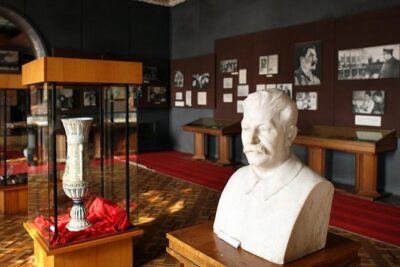
Day tour to Chronicles of Georgia, Gori city, Uplistsikhe cave
Read our review →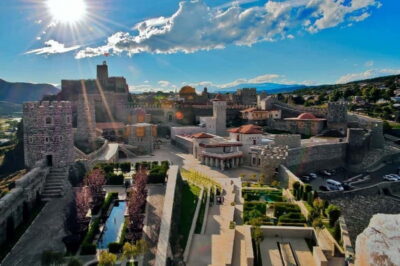
Lists this cave tour appears in