
Review · MOUNT LEBANON GOVERNORATE, LEBANON
From Beirut: Jeita Grotto, Harissa & Byblos Private Day Tour
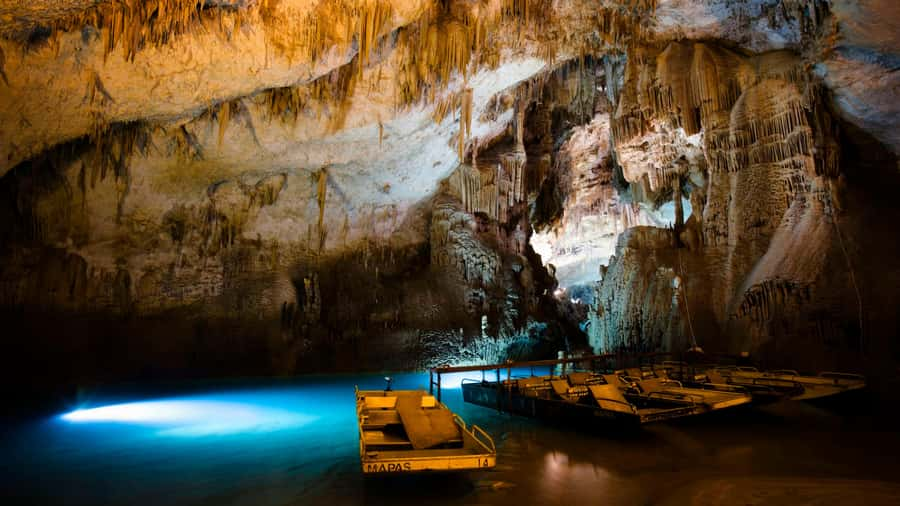
Jeita Grotto is the star here: a cool, silent world of limestone formations and underground water, followed by a cable-car ride or car trip to Harissa and a walk through ancient Byblos. It is a smart way to connect Lebanon’s natural, religious, and archaeological highlights in one long day.
I especially like the private SUV and the freedom to swap stops, skip lunch, or add Batroun and Saint Charbel sites. I also like the practical touches: Wi-Fi, water, coffee, a written map, and a guide such as Joe, who is praised for being warm, punctual, helpful, and easy to talk with. The main drawback is pace. A 9 to 10-hour day cannot give every listed stop the same attention, especially if you add Batroun, monasteries, and a winery.
Key points at a glance
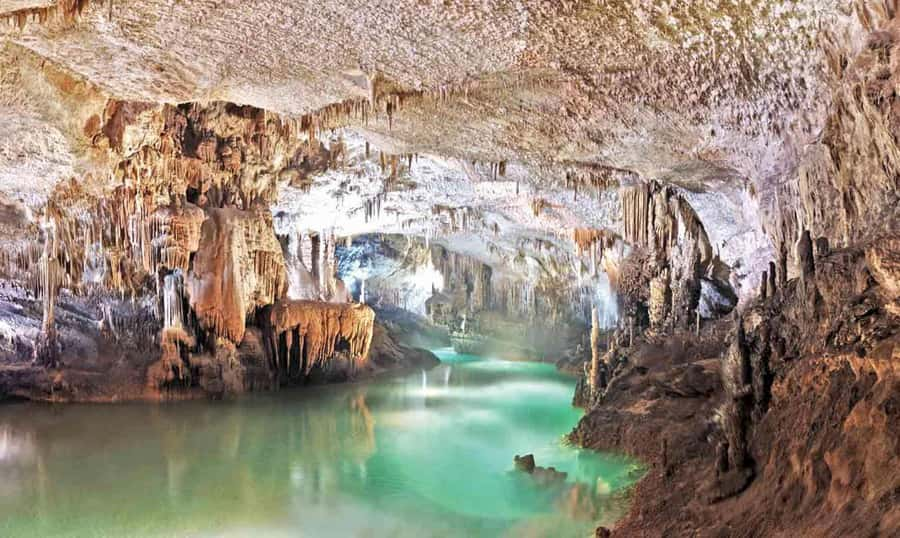
- Jeita Grotto gives the day its natural drama: Expect upper and lower limestone caves, stalactites, and underground water, with about 70 minutes on site.
- Byblos is the best place for a proper walk: You can see the harbor, old souk, Roman remains, churches, mosque, fortress area, and the Memory of Time fossil museum.
- The private format is genuinely useful: You travel in an air-conditioned black Jetour X70 Plus for up to five people, rather than following a large fixed group.
- Harissa works best near sunset: The Our Lady of Lebanon viewpoint looks across Jounieh Bay, and the cable car is an optional extra rather than part of the base price.
- The route can change to suit your interests: Add Batroun, Mseilha Fort, Nabu Museum, Our Lady of Nourieh, Saint Charbel, a beach stop, or a winery.
- Plan for walking and uneven ground: The tour is not suitable for wheelchair users, and modest clothing is needed at religious sites.
Why this private Lebanon day works
This is not just a drive between three famous sights. It links three different sides of Lebanon in a single outing: the underground chambers of Jeita, the Christian pilgrimage site at Harissa, and the long sequence of civilizations represented in Byblos.
That range is the chief reason to choose it. You can begin among limestone formations, spend the afternoon on a historic Mediterranean waterfront, and finish above Jounieh Bay as the lights come on. A public group tour would likely be cheaper per person, but the listed price is $200 for a private group of up to one person, while the vehicle itself accommodates one to five people. Because the pricing format is a little unclear for larger parties, confirm the final total before paying. For two to five people, the cost may offer good value because you share the vehicle, guide, fuel, parking, tolls, and pickup.
The private arrangement also matters in Lebanon, where traffic can affect timing. Your pickup is usually between 8:00 and 9:00 in the morning, and the driver can adjust the order of stops. That flexibility is more useful than it sounds. You may want extra time in Byblos, less time at shopping stops, or a quiet visit to Saint Charbel instead of the extended coast.
More Private Cave Tours in the world:
- Private Half-Day Batu Caves and Cutural Tour in Kuala Lumpur
★ 5.0 · 3,107 reviews - Capri & Blue Grotto Semi Private Boat Day Trip from Sorrento
★ 5.0 · 2,053 reviews - Elephanta Caves & Island Guided Private Tour
★ 5.0 · 1,327 reviews
From Beirut to the Nahr el-Kalb inscriptions
Pickup is available in Beirut, Jounieh, Dbaye, or Beit Meri, with return to those same areas. You wait in your hotel lobby or outside your residence, and the operator sends the driver’s name, photograph, plate number, and pickup time by WhatsApp the evening before.
The first notable stop is the Stelae of Nahr el-Kalb, also known as the Lykos River inscriptions. The stop lasts about 15 minutes, so treat it as an introduction rather than a full archaeological visit. Your guide can explain the carved records and why the site has been placed on Lebanon’s UNESCO Tentative List.
This short stop is worthwhile because it gives the day an immediate sense of place. It also breaks up the first drive before Jeita. If you want a slower archaeological visit, tell the guide early, since the schedule has many competing stops.
Jeita Grotto: Lebanon’s underground showpiece

Jeita Grotto gets roughly 70 minutes, making it one of the more substantial visits of the day. The caves are known for their upper and lower sections, limestone formations, and underground river. Expect a cool, damp setting that feels far removed from the heat and traffic outside.
The grotto is a strong choice for first-time visitors because it is visually different from every other stop. You are not looking at another church, fortress, or coastal street. Instead, the focus is on natural shapes formed over time, with stalactites and rock chambers providing the main spectacle.
Wear shoes with a good grip. The tour notes uneven terrain at several sites, and comfortable footwear will help here and later in Byblos. A hat and sunscreen are useful outdoors, but you will want a light layer if you feel cold in cave interiors.
Entrance tickets are not included, so budget for the grotto separately. The base tour includes transport and guiding, not admission to every attraction. Photography rules can also vary by site, so follow the local instructions rather than assuming your camera or phone can be used everywhere.
Choosing the spiritual route through Annaya
The Saint Charbel option changes the mood of the day. Instead of heading straight from Jeita toward the coast, you can visit the Monastery of Saint Maroun and the Hermitage of Saint Charbel in the mountains of Annaya.
The listed schedule allows about 20 minutes at each site. That is enough for a focused visit and scenic views, but not enough for a long religious service, extended prayer, or a slow study of every building. If Saint Charbel is your main reason for booking, ask for more time and remove some coastal stops.
Modest clothing is important here. Cover your shoulders and knees, and bring clothing suitable for religious sites. The route can suit visitors interested in Christian pilgrimage, local spirituality, or quieter mountain settings. It is less suitable if you want to pack in every Byblos and Batroun sight on the same day.
The guide can also build the day around spirituality, history, or the coast. That is one of the tour’s best features, but only if you make your priorities clear before setting off.
More cave tours around the world:
- Portimão: Benagil Caves Speed Boat Tour with Sunset Option
★ 4.8 · 11,663 reviews - Albufeira: 2.5-Hour Benagil Caves & Dolphin Watching
★ 4.6 · 10,710 reviews - Blue Cave Small-Group Boat Tour from Dubrovnik
★ 5.0 · 9,360 reviews - Best Niagara Falls US Tour W/Boat Ride, Cave & More Wonders!
★ 5.0 · 8,372 reviews
Byblos, where the day earns its keep

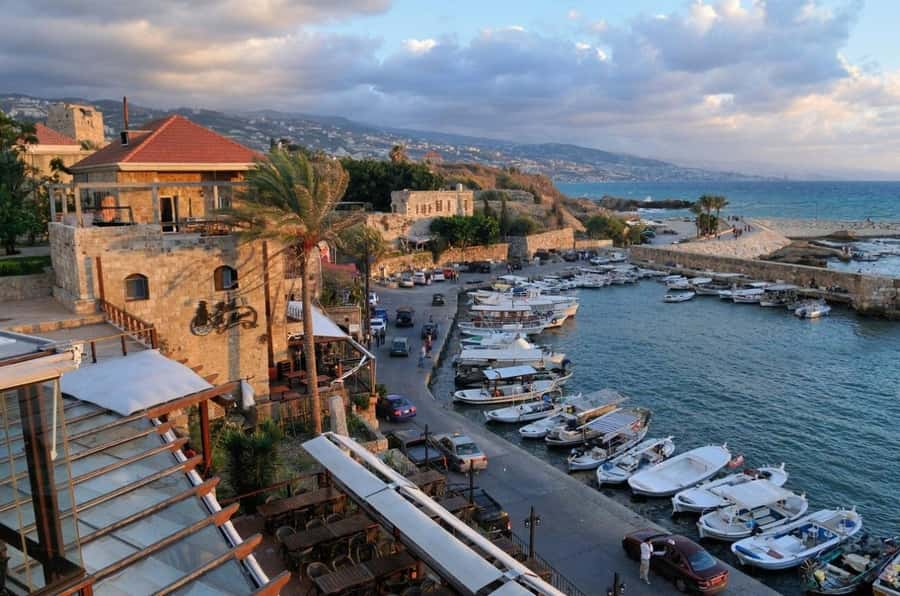
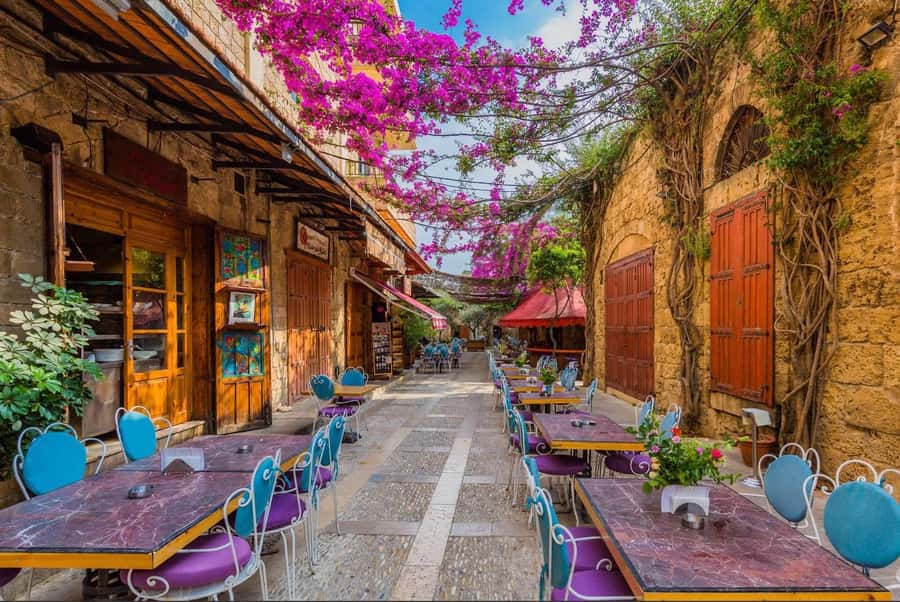
Byblos receives about two and a half hours, and I would protect that time. This is the most satisfying place for walking, browsing, lunch, and seeing several periods of Lebanese history close together.
Start around the Byblos dock and fishing port, then move toward the citadel and ancient site. The harbor is a good spot for photographs, while the fortress area gives you a sense of the town’s long strategic importance. The tour includes the fortress area and Roman site from outside, so do not assume that admission to Byblos Castle is included. Castle entry is listed as an extra.
The ancient area includes the Royal Palace, Roman theater, and other archaeological remains. Some visits are brief photo stops of around 10 minutes. That is enough to understand the outline, but your guide’s explanation will provide much of the context.
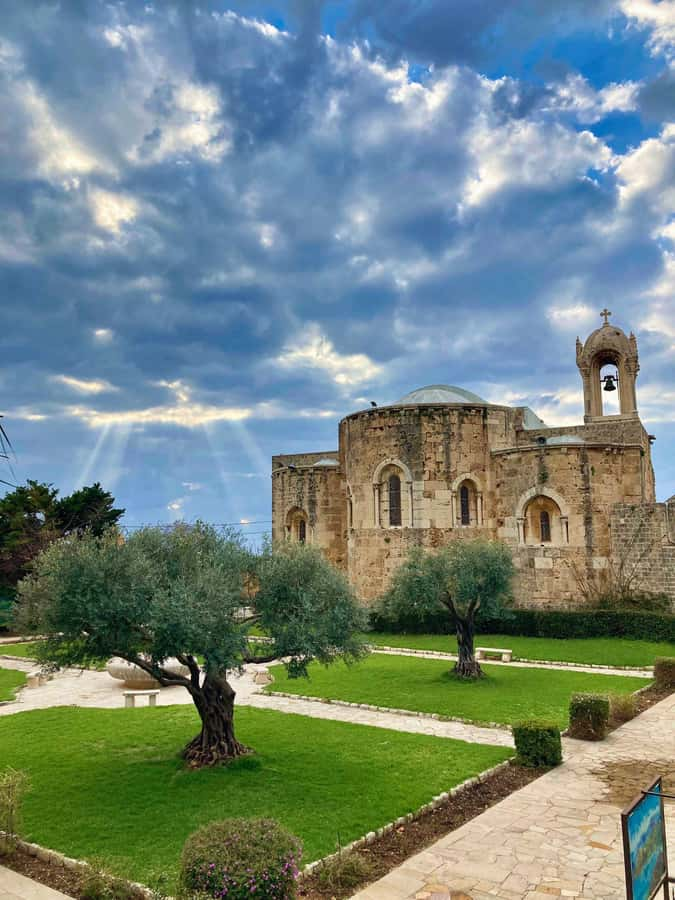
Then comes the Old Souk, where you can slow down. Allow about 30 minutes for lanes, shops, and small purchases. This is where I would use the flexible format to linger if something catches your eye. The tour also passes Saint John Marc Church, Sultan Abdul Majid Mosque, and the Armenian Genocide Orphans’ Aram Bezikian Museum. Some are short exterior or pass-by stops, not long museum visits, so keep expectations realistic.
The Memory of Time Fossil Museum is a more distinctive addition. Entry and a short guided presentation are included, giving you a compact look at Lebanon’s fossil heritage. This stop adds variety after the stonework and religious buildings.
Lunch is listed at a local restaurant for about 50 minutes. The meal is not included, but the operator can arrange a restaurant or reservation. If you care about food, request this in advance rather than leaving the decision until the busiest part of the day. You can also ask for a seafood stop later on the coast, though that will put more pressure on the schedule.
The extended north coast: Mseilha, Batroun, and Nourieh
The coastal version adds several worthwhile stops, but it is also where the itinerary becomes ambitious. After Byblos, the vehicle may continue to Mseilha Fort, the Nabu Museum, Our Lady of Nourieh Monastery, and Batroun.
Mseilha Fort gets about 15 minutes. That is a photo stop with a quick look, not a full exploration. The Nabu Museum receives about 30 minutes and suits visitors who want modern art and culture alongside ancient sites. Check opening arrangements before relying on it, since the information specifies a visit when open.
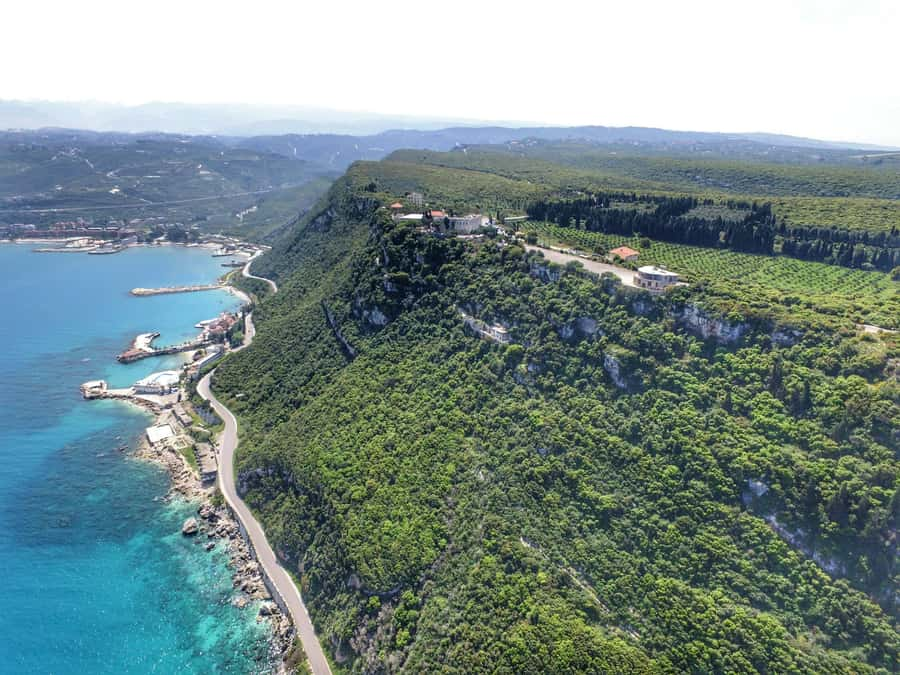
Our Lady of Nourieh Monastery is perched above the coast and is included as a scenic and spiritual stop. You get around 20 minutes there. The views are the point, so weather matters. On a clear day, this can be one of the most memorable pauses. In poor weather, it may be less rewarding than extra time in Batroun.
Batroun is the strongest reason to choose the extended coastal route. The old souk, port, churches, Phoenician wall, Diaspora Village, and sea-facing streets give you a slower town experience than the main Beirut corridor. The listed time in the old souk is about 75 minutes, with shorter stops at Saint Stephen Cathedral, Saint George Orthodox Church, the Church of Our Lady of the Sea, and Hilmi’s House of Lemonade.
You may also pass the statue of the sponge diver and see the port. A beach café, swim, or winery visit can be added on request. Batroun wineries are specifically offered as an optional extra, but wine tasting is not included in the base price.
My advice is simple: choose either a serious Byblos visit or a serious Batroun visit. Trying to give both towns, Jeita, Harissa, monasteries, museums, and a winery equal time will turn the day into a checklist.
Harissa above Jounieh Bay
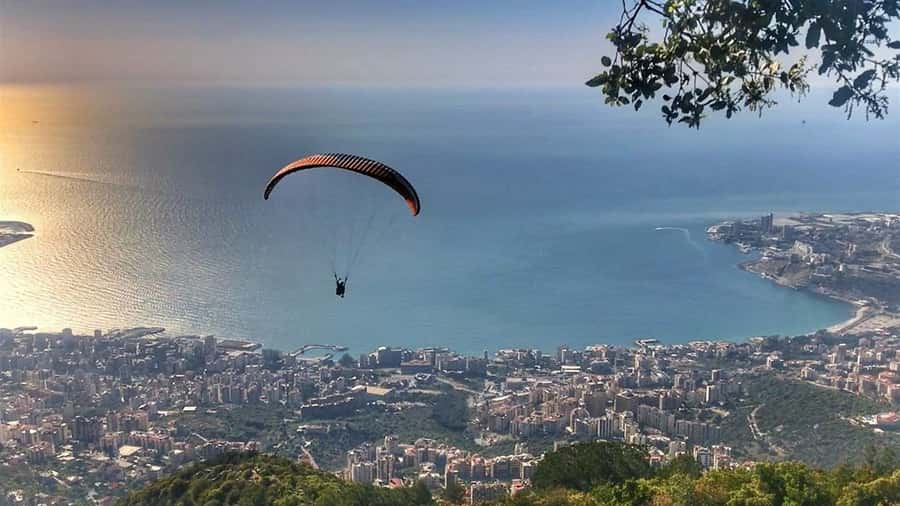
Harissa is planned for the final stretch, often close to sunset. The Our Lady of Lebanon statue and viewpoint look across Jounieh Bay, making this a natural place to end a long day.
The base arrangement takes you to Harissa by car. The Teleferique du Liban cable car is optional and costs extra. The schedule allows around 30 minutes for the cable-car experience and about an hour at Harissa, though the actual timing depends on traffic and which other stops you choose.
If the cable car is important to you, say so before the day begins. The route may otherwise use the vehicle, especially if time is tight. The viewpoint itself remains worthwhile without the cable car, but the ride adds a different perspective and a pleasant change after many road miles.
Bring a light jacket if you are visiting in cooler weather. The hilltop can feel different from the coast below. This is also a religious site, so modest clothing remains the sensible choice.
Comfort, guiding, and what is included
The vehicle is described as a black Jetour X70 Plus with air conditioning, Wi-Fi, bottled water, a local snack, and Lebanese coffee. Fuel, parking, tolls, and taxes are included. For a private day with several long drives, those details make a real difference.
The guide speaks Arabic, English, and French. Joseph, often called Joe, is the guide named repeatedly in the booking feedback. He is praised for being punctual, calm, friendly, helpful with practical matters, and good at explaining Lebanon’s past. One useful detail is that he can help shape the day around your interests rather than simply driving through a fixed script.
Do not assume that every guide will be Joseph. Ask who is assigned if his style matters to you. The company sends the driver’s name and photograph the night before, which gives you a clear chance to confirm.
The tour is not recommended for wheelchair users, and it may be tiring for anyone with mobility limits. You will walk through old streets, archaeological ground, religious compounds, and uneven areas. Carry medication, water, sunscreen, and a fully charged phone. Small amounts of USD or Lebanese pounds are useful for tips, souvenirs, optional admissions, and personal purchases.
Who should book this day?
I would choose this tour if you are staying in Beirut and want a broad introduction to northern Lebanon without renting a car. It is especially useful for first-time visitors who want Jeita, Byblos, and Harissa in one day, with a real person handling the roads and explaining what you are seeing.
It also suits couples, families, and small groups who value privacy. The SUV takes up to five people, and child seats can be requested at least 24 hours ahead. Wi-Fi and hotel pickup are practical bonuses for a long day.
I would hesitate if you dislike full schedules or want long, unhurried museum visits. The listed route includes enough possible stops to fill more than one day. Ask for a reduced plan, such as Jeita, Byblos, and Harissa only, or choose the Saint Charbel route and remove Batroun.
The tour offers free cancellation up to 24 hours ahead and a reserve-now, pay-later option. Check the final price, entrance fees, and optional additions before confirming, especially if more than one person is joining.
Should you book it?
Book it if you want maximum variety with private transport and are willing to help set the pace. Jeita, Byblos, and Harissa make a strong core route, while Batroun and Saint Charbel are excellent additions for specific interests.
My preferred plan would be Jeita in the morning, a full Byblos walk and lunch, then Harissa near sunset. Add Batroun only if you are comfortable with a faster day. If you want a guide who is especially involved and practical, ask whether Joseph, also known as Joe, is available. That small step may shape the experience as much as the itinerary itself.
FAQ
How long does the tour last?
The experience lasts about 9 to 10 hours. Pickup is usually between 8:00 and 9:00 in the morning, with return to Beirut, Jounieh, Beit Meri, or Dbaye.
What locations offer pickup and drop-off?
Pickup and drop-off are available in Beirut, Jounieh, Dbaye, and Beit Meri. Hotel guests wait in the lobby, while visitors staying in private residences should wait outside the main entrance.
Is the tour private?
Yes. It is a private group experience using an air-conditioned SUV for one to five guests.
Is the Harissa cable car included?
No. The Teleferique du Liban ride is optional and is not included in the base price. Harissa can also be reached by car.
Are entrance tickets included?
No. Entrance fees for places such as Jeita Grotto, Byblos Castle, Nabu Museum, and other attractions are not included unless specifically stated. The Memory of Time Fossil Museum and its short guided presentation are included.
Can the itinerary be changed?
Yes. You can request additions or removals, including Batroun wineries, a beach or coastal café stop, Saint Charbel’s sites, Mseilha Fort, Nabu Museum, and Our Lady of Nourieh Monastery.
Is the tour suitable for wheelchair users?
No. The tour is not suitable for wheelchair users, and several stops include uneven archaeological ground and walking. Comfortable shoes are recommended.
Newly added caves around the world
- Phuket: Starlight Hong Sea Cave & Glowing Plankton by Kayak★ 4.9 · 145 reviews
- Phuket: Monkey Cave, Water Rafting, Zipline with ATV Option★ 3.7 · 161 reviews
- Phuket: Bamboo Rafting, Monkey Cave, and ATV Option★ 3.5 · 129 reviews
- Phong Nha: Zipline Dark Cave & Paradise Cave Exploration★ 4.9 · 84 reviews
- Phranang Cave Sunset with BBQ dinner & Plankton Tour★ 3.2 · 53 reviews
- Phong Nha/Dong Hoi: Phong Nha Cave and Paradise Cave Tour★ 4.9 · 82 reviews
- Phong Nha: Cave Exploration and Zipline Dark Cave Tour★ 4.7 · 87 reviews
- Phong Nha National Park: Paradise Cave Half-Day Tour★ 5.0 · 23 reviews