
Review · OROMIA REGION, ETHIOPIA
Addis Ababa: Debre Libanos, Blue Nile Gorge, and Cave Tour
The most memorable part of this day is the sudden change from Addis Ababa traffic to open Ethiopian highlands, where bleeding-heart gelada baboons appear beside mountain roads and the Blue Nile Gorge opens below you. The route packs a monastery, an old stone bridge, a cave church, rural villages, and Entoto’s high viewpoints into one long day.
I like the mix of Orthodox Christian culture and wild scenery, and I like that the guides often make the day feel personal rather than mechanical. Guides including Gebru, Abiy, Desale, Teka, and Haleluya have been praised for explaining local customs, helping with photographs, and adjusting the pace. The catch is simple: this is a lot of driving. Roads can be rough, traffic can stretch the day to nine or ten hours, and some vehicles have drawn criticism.
Key points to know before booking
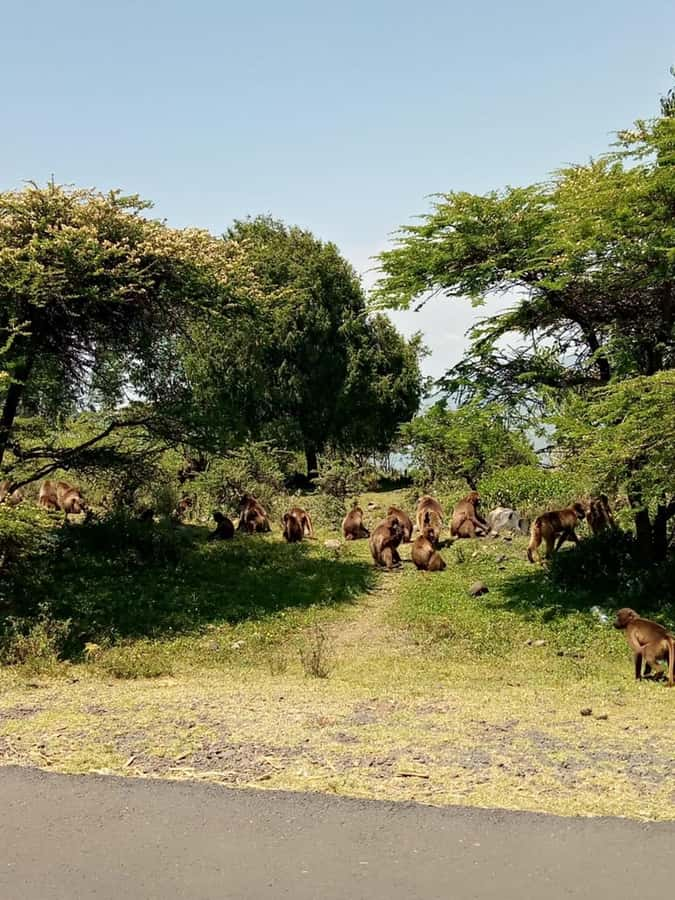
- Gelada baboons: You may see these Ethiopian highland primates close to the road, often in family groups.
- Debre Libanos Monastery: Visit a major Ethiopian Orthodox site founded in 1284, usually with a local church guide or monk.
- Portuguese Bridge: Walk a short, uneven route to a stone arch with views toward the gorge and nearby waterfall.
- Saint Teklehaimanot Cave Church: Reach the cave by foot and hear the grim story of monks killed there during the 1936 Italian invasion.
- Entoto at 3,300 meters: Finish with wide views over Addis Ababa from the city’s high northern ridge.
- Long road day: The advertised duration is eight hours, but traffic, fuel problems, road conditions, and extra stops can extend it.
Why this is one of Addis Ababa’s best day trips
Addis Ababa has plenty to offer, but the city can feel like only one chapter of Ethiopia. This trip gives you a useful look at the country beyond the capital without requiring several nights away.
The route heads about 100 kilometers north. That distance sounds modest, but Ethiopian roads and city traffic make the journey longer than a map suggests. Allow roughly four hours of total driving at a minimum, and keep your return plans flexible.
I would choose this trip if you have one spare day and want a broad sample of northern highland scenery, Orthodox culture, local life, and wildlife. It is not the right choice if you want a relaxed outing with little time in a vehicle.
The strongest part of the experience is the variety. One hour you are hearing about monastic life, and later you are standing above a vast gorge or watching geladas feed near the road. Few short excursions from Addis offer such a wide mix.
More cave tours around the world:
- Portimão: Benagil Caves Speed Boat Tour with Sunset Option
★ 4.8 · 11,663 reviews - Albufeira: 2.5-Hour Benagil Caves & Dolphin Watching
★ 4.6 · 10,710 reviews - Blue Cave Small-Group Boat Tour from Dubrovnik
★ 5.0 · 9,360 reviews
Leaving Addis and climbing toward Entoto
Pickup is available from your hotel or Addis Ababa airport. At a hotel, wait in the lobby about 15 minutes before the scheduled time. At the airport, look for a driver or guide holding a sign with your last name near the yellow taxis.
The first part of the route passes through Addis and climbs toward Mount Entoto. You may pass Entoto Saint Maryam Church and Entoto Saint Raguel Church, with scenic views appearing along the ridge. These stops are brief, so think of them as orientation points rather than full church visits.
Entoto reaches about 3,300 meters above sea level. The height can make the air feel cooler than in central Addis, and the view gives you a useful sense of the capital’s size and setting. The main Entoto viewpoint is also used later in the day, when the tour returns toward Addis.
Traffic is the main uncertainty at this stage. A fuel problem delayed one departure, and heavy traffic slowed another return. A good guide and careful driver can protect the schedule, but no operator can remove Addis traffic from the equation.
Debre Libanos and its 1284 foundation
Debre Libanos Monastery is the cultural heart of the outing. Saint Abune Tekle Haymanot founded the complex in 1284, and it remains an important Ethiopian Orthodox site on a terrace between a cliff and the gorge of the Jamma River, one of the Blue Nile’s tributaries.
You normally spend around 30 minutes at the monastery with a local guide. The most useful part is the explanation of Ethiopian Orthodox practice, church traditions, and the role of monastic life. In some cases, a monk or monastery leader gives the introduction, which adds a direct local voice to the visit.
Dress modestly. Women should wear clothing that reaches well below the knees, and a scarf for covering the head is encouraged when entering the monastery. The scarf is optional according to the tour information, but bringing one is sensible and costs little space in your day bag.
The visit can be affected by religious services. One participant could not enter the monastery because a service was underway. That is not a flaw in the sacred site, but it is a reminder that this is a functioning religious complex, not a museum arranged around a sightseeing timetable.
A museum visit may also be included, depending on the day and the guide’s arrangement. Abiy was particularly praised for explaining the church and museum, while other guides have been described as clear and flexible when the group wanted more time.
The Saint Teklehaimanot cave and its difficult story
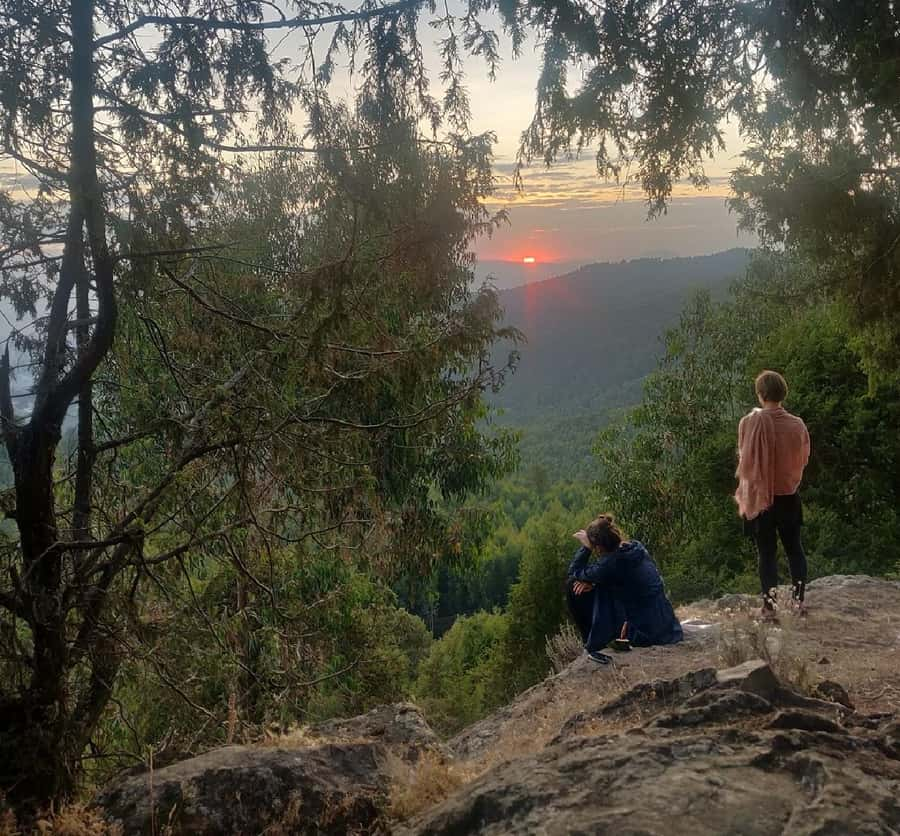
The cave church adds a more somber note. Saint Teklehaimanot Cave Church is connected with the monastery and is reached on foot. The route is not a long mountain trek, but it can involve uneven stone and rough ground.
The cave is associated with the killing of around 300 monks by Italian invaders in 1936. Your guide can place the event in the wider history of Ethiopia’s occupation, while the cave itself gives the story a stark physical setting. This is not a polished attraction. Its appeal comes from the quiet, the sense of age, and the chance to hear local religious history in the place where it unfolded.
Wear shoes with firm soles. The same advice applies to the gorge and bridge stops. You do not need specialist hiking equipment, but sandals or smooth-soled shoes will make the rocky sections less comfortable.
The cave is also one reason this tour works better with a guide than as a simple driver-led outing. The site needs context, and guides such as Gebru, Abiy, and Teka have been praised for explaining history and customs in an engaging way.
Same rock, a different way in:
- Best Niagara Falls US Tour W/Boat Ride, Cave & More Wonders!
★ 5.0 · 8,372 reviews - Aruba UTV, ATV Adventure to Secret Beach and Cave Pool
★ 5.0 · 7,730 reviews - Aruba Natural Pool and Indian Cave Rugged Jeep Safari
★ 5.0 · 7,713 reviews - Blue cave, Mamma Mia and Hvar, 5 islands speedboat tour
★ 5.0 · 7,150 reviews
Lunch, coffee, and a taste of rural Ethiopia
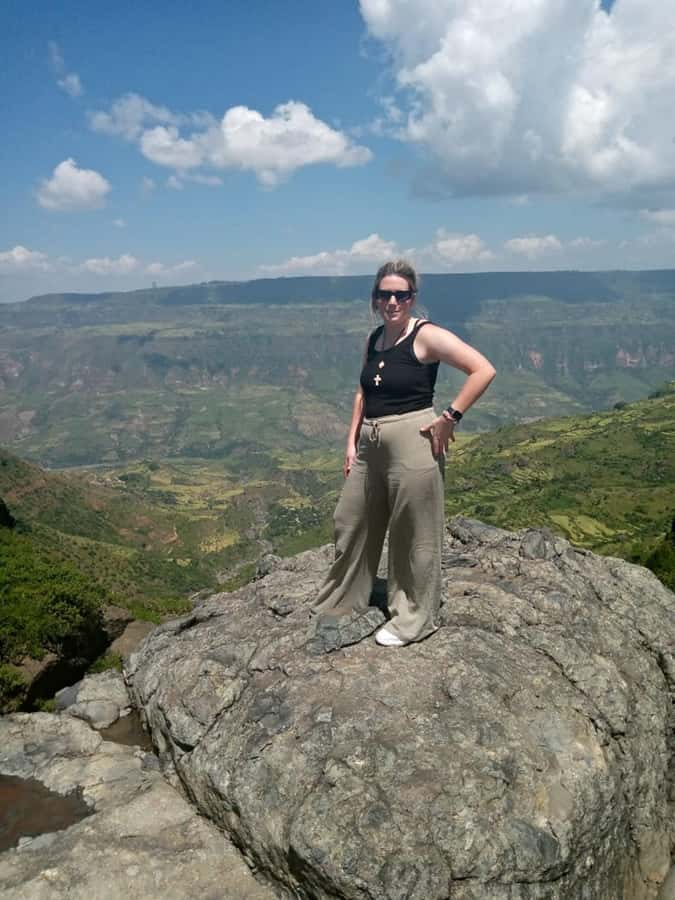
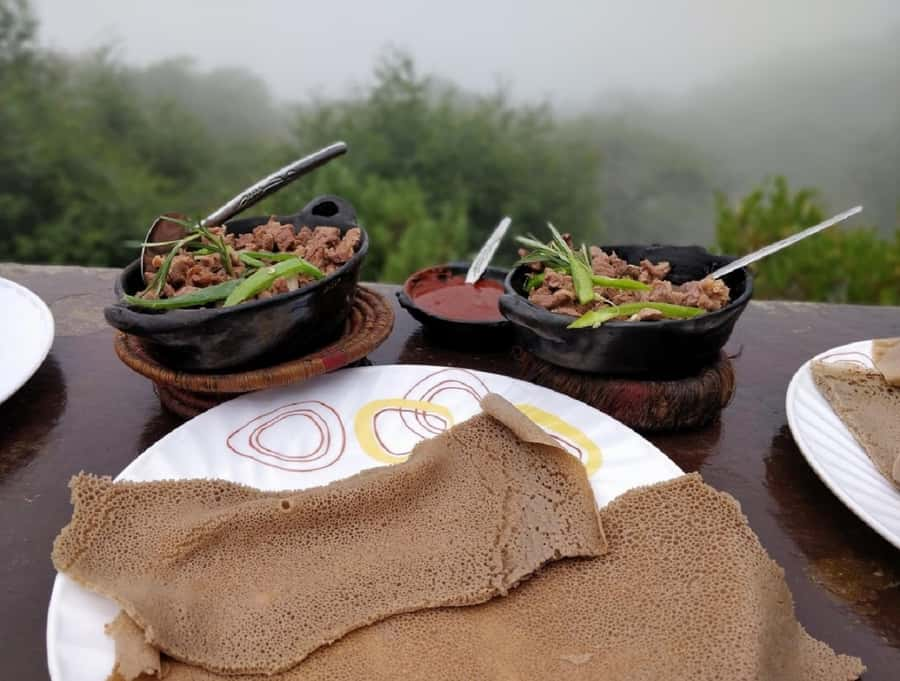
Lunch is included at a local restaurant, along with water and hot drinks. Several people enjoyed the Ethiopian food and coffee, and the meal helps break up the driving.
Expect a practical local lunch rather than a carefully designed culinary experience. One person felt the meal could be improved, so food quality may vary. Still, the stop is useful because it gives you time to sit, eat, and talk with your guide instead of rushing from one viewpoint to the next.
The route also brings contact with Oromo communities and rural life. You may see roadside activity, local markets, and people going about their day. Keep your approach respectful and follow your guide’s lead before photographing people.
The best guides use these pauses to explain everyday life rather than filling every minute with formal facts. Several guides have also helped with photos, and some have adjusted the route when the group wanted extra time at a viewpoint or local stop.
Walking to the Portuguese Bridge
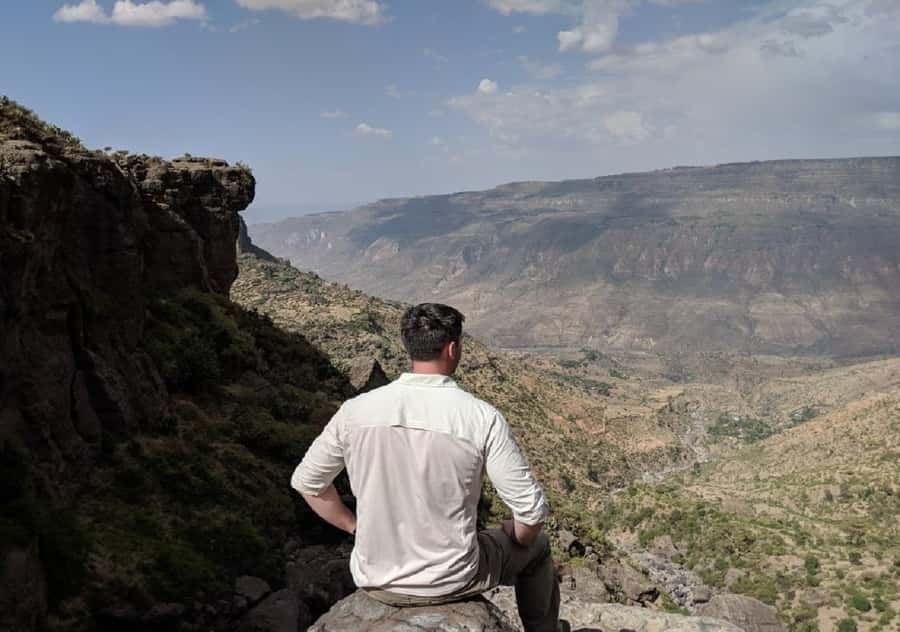
The Portuguese Bridge is a short walking stop with a large visual payoff. Ras Darge built the stone arch in the 1890s in a style associated with Portuguese bridge construction. Its old masonry looks especially striking against the mountain country.
You spend about 30 minutes here, including the walk and time for photographs. The route can be rocky, and you may also see views toward a waterfall and the Jamma River. The setting feels open and exposed, so a sun hat, sunglasses, sunscreen, and water are worth carrying.
This is not a grand engineering visit with an indoor exhibition. You come for the bridge, the stonework, the river setting, and the feeling of standing in a remote part of the highlands. It is one of the day’s most photogenic stops, and guides often know where to position you for photos.
The bridge stop also shows why the drive is worthwhile. The road itself is part of the experience, with mountain scenery and rural settlements replacing the dense streets of Addis. The tradeoff is that road conditions can be uncomfortable, especially in a vehicle that has seen better days.
The Blue Nile Gorge and gelada baboons
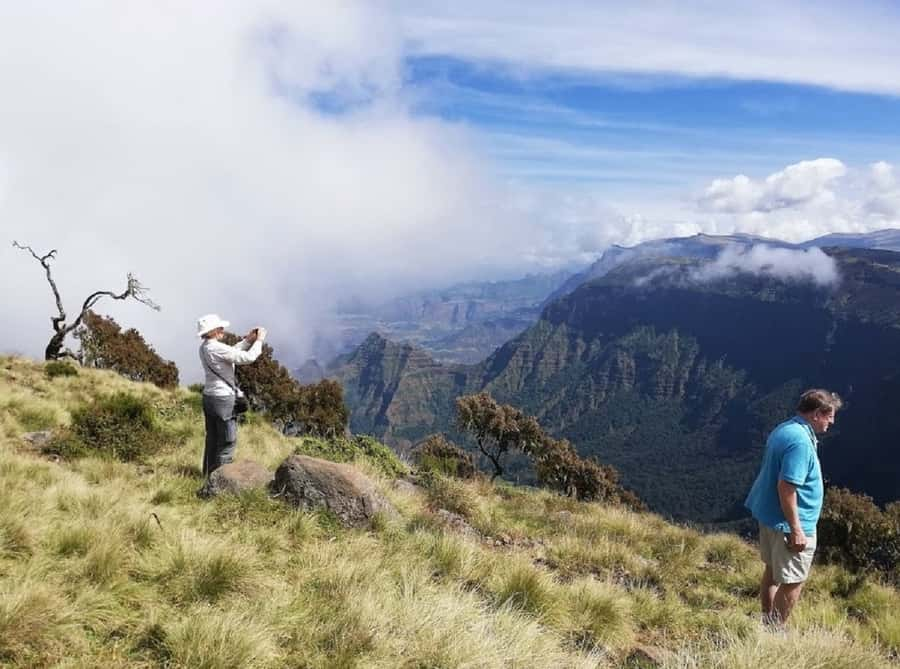
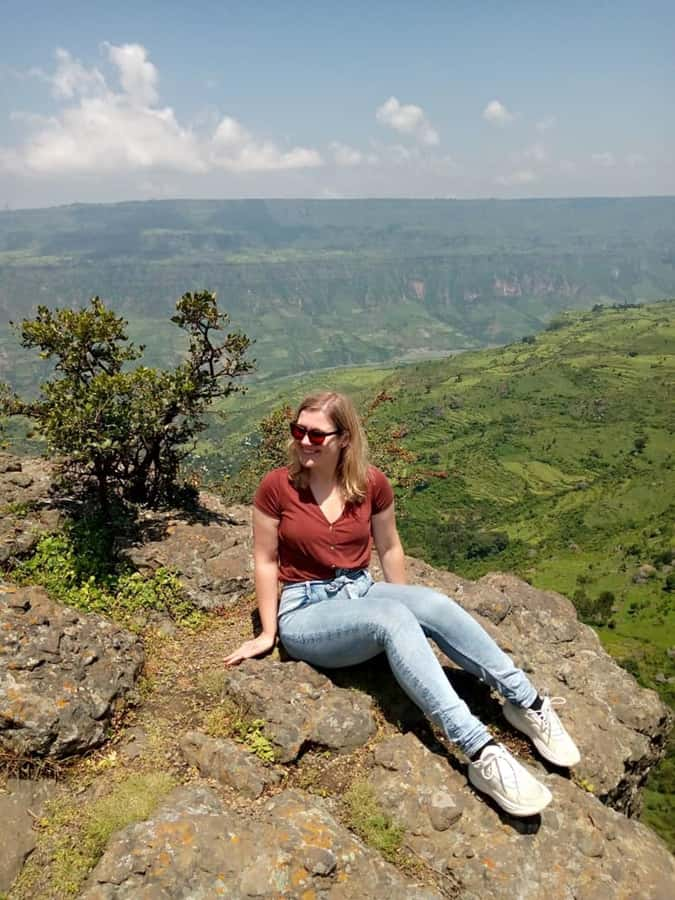
The Blue Nile Gorge is the visual high point. Its steep folds and broad views are often compared with Arizona’s Grand Canyon, though the comparison only goes so far. The Ethiopian gorge has its own scale, colors, villages, roads, and highland setting.
You may stop at several viewpoints, including areas near the Jamma River. Take time to look beyond the first photograph. The gorge is not just a scenic backdrop, it shows how sharply the highlands break apart and how difficult transport can be in this part of Ethiopia.
The road and walking conditions deserve attention here. One person specifically warned about walking over stones at the gorge. Guides are ready to help, but you should be reasonably sure-footed and take care near edges.
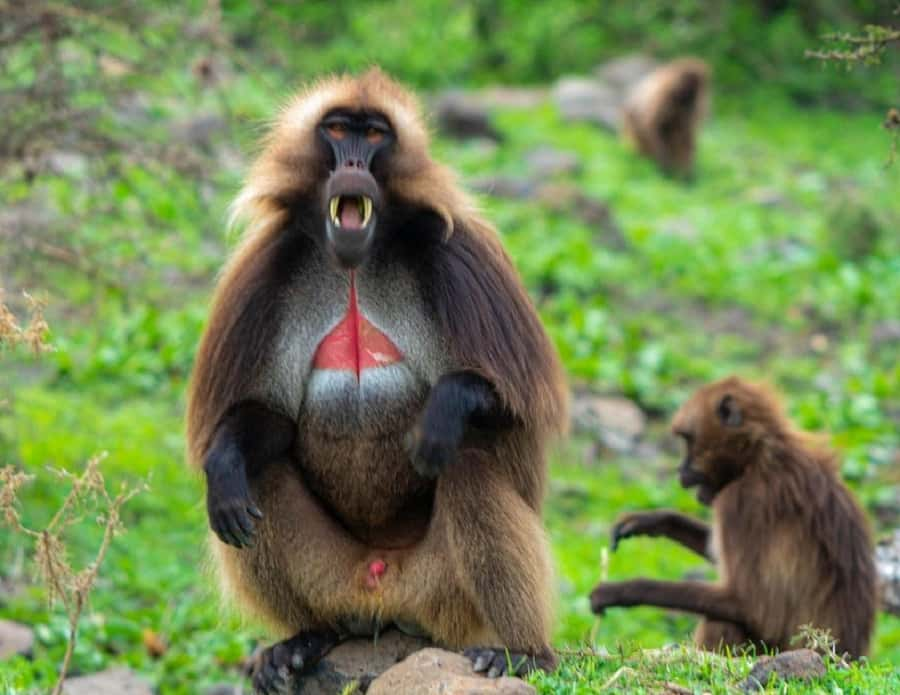
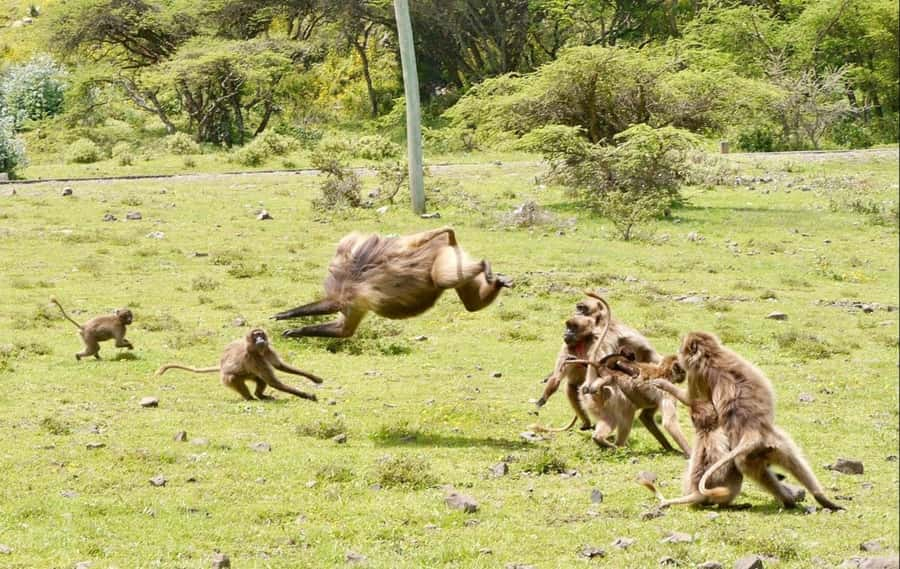
The area is also home to gelada baboons, sometimes called bleeding-heart baboons because of the distinctive red patch on the chest of adult males. These primates are endemic to Ethiopia’s highlands. You may see them beside the road or on open slopes, sometimes close enough for excellent photographs.
Wildlife is never guaranteed, but the sighting record on this route is encouraging. Birdlife is also present, including endemic species. Bring binoculars if you have them, although the baboons are usually the easier prize.
The ride back and the real time commitment
The return drive is listed at about two hours, but that figure should not be treated as a promise. Traffic near Addis, road conditions, fuel delays, and the pace of the group can extend the day. Several accounts put the full experience closer to nine or ten hours.
That extra time is not necessarily wasted. A flexible guide may stop for photos, let you stay longer at the gorge, or help with an unexpected need. One guide even accompanied a participant to a pharmacy after an eye problem appeared, while another helped a visitor deal with lost airline luggage.
Still, you should avoid booking a tight evening flight unless the operator has confirmed the timing directly. Airport drop-off is included, but a long return on uncertain roads is not the place to gamble with a close connection.
The drivers receive strong praise for handling difficult roads and keeping people safe. At the same time, vehicle quality has not been consistent. Some people found the van comfortable and spacious, while others described the vehicle as worn or in need of replacement. If comfort matters greatly to you, ask about the vehicle before paying.
Is the $94 price fair?
At $94 per person, the price includes hotel or airport pickup and drop-off, transport, an Addis-based escorting guide, a local monastery guide, entry fees, lunch, hot drinks, and bottled water. That is a solid bundle for a full day outside the capital.
The value is strongest if you are traveling alone or as a small group and want the convenience of having the route, entry fees, lunch, and local explanations handled for you. A self-arranged trip could cost less in theory, but it would require sorting out transport, timing, monastery access, and the gorge stops yourself.
The price feels less attractive if your group is full, the vehicle is tired, or the day runs late without enough time at the main sites. The scenery and guide quality carry the experience, while transport comfort is the main variable.
Guides named Gebru, Abiy, Desale, Teka, Haleluya, and Abiy have received especially warm praise for clear explanations, kindness, flexibility, and attention to safety. Since the individual guide can shape the day, it is worth requesting a highly regarded guide if the operator allows it.
Who should book this day trip?
I recommend it for first-time visitors who have at least one free day in Addis and want to see rural Ethiopia without planning a separate overnight route. It suits people who enjoy scenery, religious sites, short walks, wildlife, and conversation with a local guide.
It is also a good fit for solo visitors. Pickup, a guide, a driver, and organized entry make the day easier, and several solo participants felt well looked after. The tour can sometimes operate in a private or very small format, though group size should be confirmed before booking.
I would think twice if you are pregnant, have a mobility impairment, dislike rough roads, or need a guaranteed eight-hour finish. The activity is not recommended for pregnant women or people with mobility impairments, and the rocky walking sections may be uncomfortable even for otherwise active visitors.
Pack your passport or ID, comfortable shoes, sunglasses, a hat, sunscreen, and a scarf for the monastery. Carry patience too. The road is long, but the reward is a far wider view of Ethiopia than Addis alone can provide.
Should you book it?
Book this tour if the idea of geladas on a mountain road, an old stone bridge, a working monastery, and a huge gorge sounds better than spending another day inside the capital. The scenery is the main prize, while the guide brings the churches, local life, and difficult history into focus.
Skip it if you want a short, polished excursion with guaranteed timing and luxury transport. For most visitors with one free day, the $94 cost is reasonable, provided you accept the long drive and confirm the pickup time, vehicle, and return plan before setting out.
FAQ
How long does the tour take?
The advertised duration is eight hours, but the day can last nine or ten hours because of traffic, road conditions, fuel delays, and extra time at stops.
What is included in the price?
The price includes hotel or airport pickup and drop-off, ground transportation, an English-speaking escorting guide from Addis Ababa, a local monastery guide, entry fees, lunch, water, hot drinks, and bottled water.
Can I be picked up at Addis Ababa airport?
Yes. Airport pickup is included. The driver or guide will hold a sign with your last name outside the airport near the yellow taxis.
Do I need special clothing for Debre Libanos Monastery?
Women should wear clothing that covers well below the knees. Women are also encouraged to bring a scarf to cover the head when entering the monastery.
Is there much walking?
There are short walks at the Portuguese Bridge, the gorge, and the cave church. Some ground is rocky, so comfortable shoes and reasonable sure-footedness are important.
Will I definitely see gelada baboons?
The route passes through areas where endemic gelada baboons live, and sightings are common on this excursion, but wildlife sightings cannot be guaranteed.
Is lunch included?
Yes. Lunch at a local restaurant, water, and hot drinks are included. Alcoholic drinks and personal expenses are not included.
Newly added caves around the world
- Phuket: Starlight Hong Sea Cave & Glowing Plankton by Kayak★ 4.9 · 145 reviews
- Phuket: Monkey Cave, Water Rafting, Zipline with ATV Option★ 3.7 · 161 reviews
- Phuket: Bamboo Rafting, Monkey Cave, and ATV Option★ 3.5 · 129 reviews
- Phong Nha: Zipline Dark Cave & Paradise Cave Exploration★ 4.9 · 84 reviews
- Phranang Cave Sunset with BBQ dinner & Plankton Tour★ 3.2 · 53 reviews
- Phong Nha/Dong Hoi: Phong Nha Cave and Paradise Cave Tour★ 4.9 · 82 reviews
- Phong Nha: Cave Exploration and Zipline Dark Cave Tour★ 4.7 · 87 reviews
- Phong Nha National Park: Paradise Cave Half-Day Tour★ 5.0 · 23 reviews