
Review · NORTHERN GERMANY, GERMANY
Bremen: Underground Guided Tour
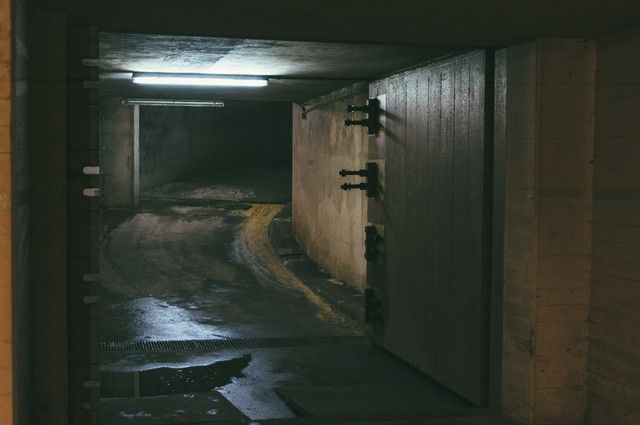
Bremen’s story changes once you leave street level. This two-hour underground tour takes you behind doors most people never see, including an ABC bunker beneath the central station forecourt and the eerie vaulted cellar below Bremen Cathedral.
I like the choice between two routes, since you can focus on religious history and wartime shelters, or on supply tunnels, railway history, and the old fruit yard. I also like the low price, about $18 per person, for access to several restricted places. The main catch is physical: this is not a good fit if you have trouble walking, and the guide speaks German only.
Key points to know before booking
- Two different underground routes: Choose between crypts and bunkers on Unterwelten 1, or hidden streets, railway history, and the freight yard on Unterwelten 2.
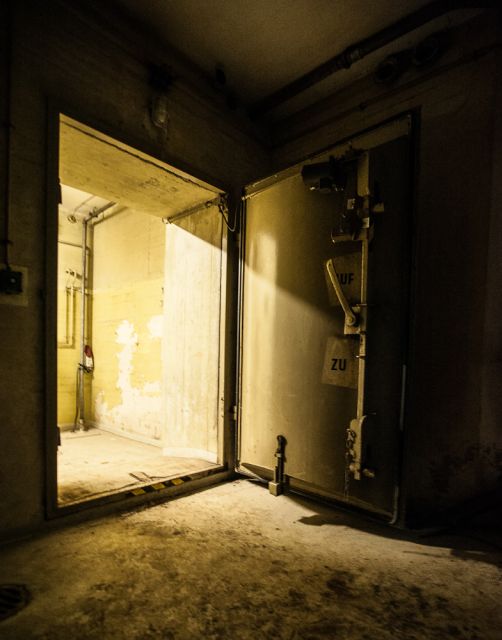
- Rare access beneath Bremen Central Station: The tour enters the former air-raid shelter later converted into a Cold War ABC bunker.
- A crypt beneath Bremen Cathedral: Unterwelten 1 includes the vaulted cellar once used for medieval burials.
- An underground street unknown to Bremen police: Unterwelten 2 reveals an unusual service passage built to supply nearby shops.
- German-speaking guides: Guides including Peter and Thomas lead the tour, with historical photographs used to explain places that have changed.
- Plan for steady walking: The route includes multiple underground locations and is best suited to people who are comfortable on foot.
Why Bremen’s underground tells a different story
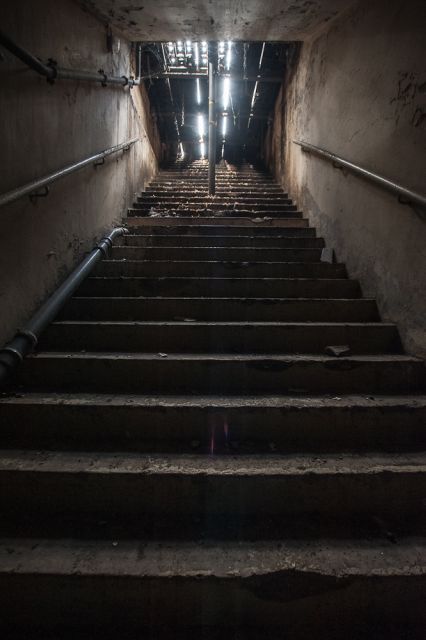
Bremen’s grand public sights tell you about merchants, churches, ships, and civic power. This tour supplies the less polished layer: burial rooms, emergency shelters, service passages, railway facilities, and reinforced concrete bunkers.
That change of setting matters. A church crypt feels very different from a Cold War shelter, but both show how people used the same city space for practical needs. One sheltered the dead. Another protected civilians. A third helped shops receive supplies without clogging the streets above.
I find that contrast more useful than a standard walk past façades. You are not simply hearing that Bremen suffered during the Second World War or adapted during the Cold War. You are entering spaces built for those pressures.
The tour is also a good reminder that cities have more than one level of history. What looks like an ordinary square, station forecourt, or church can conceal a very different past below it.
Guided tours around the world:
- Waitomo: Glowworm Caves Guided Tour by Boat
★ 4.5 · 4,908 reviews - Hobbiton & Waitomo Caves Guided Day Trip from Auckland incl lunch
★ 5.0 · 2,677 reviews - Benagil: Caves, Beaches, and Secret Spots Guided Kayak Tour
★ 4.8 · 2,675 reviews
Unterwelten 1: elephant statue to cathedral crypt
The first route begins at the elephant statue. From there, you descend into a crypt and hear about its history and how it is used today.
That opening gives the tour a strong sense of place. A crypt is not just an old room below a church. It connects Bremen’s religious past with its present-day city life, and the guide can explain why the space still matters. The setting is enclosed, quiet, and atmospheric without requiring a theatrical presentation.
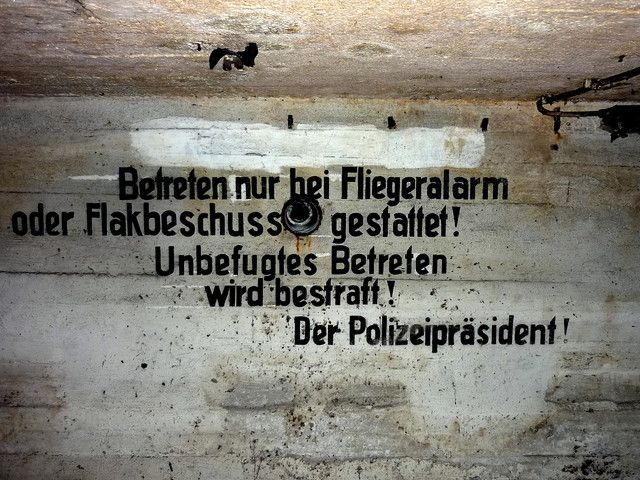
From the crypt, the route moves to the large ground-level air-raid shelter beneath the forecourt of Bremen Central Station. The shelter was built in the 1940s, when air raids made civilian protection an urgent part of urban planning. Later, during the Cold War, it was changed into an ABC bunker.
This is one of the tour’s most unusual stops. You get to see a place designed first for wartime air raids and later adapted for a new kind of threat. That change helps explain how bunker construction continued to shape daily life long after the Second World War ended.
The central station location also makes the shelter easy to place in your mind. You are not looking at a remote military ruin. You are beneath one of Bremen’s main transport areas, in a building many people pass without knowing what lies below.
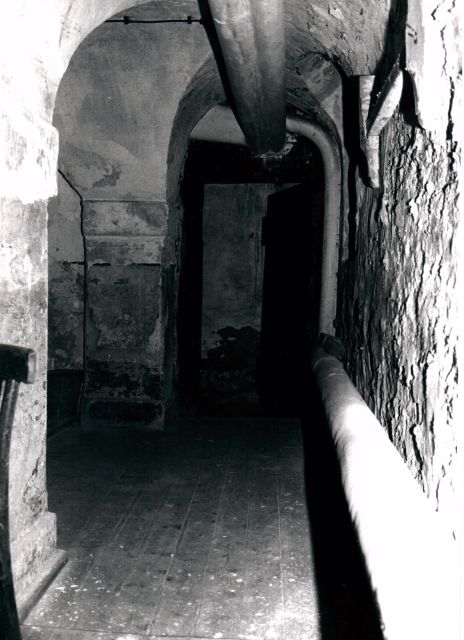
The route then crosses the Bremen ramparts on the way to the Church of Our Lady. Along the way, the guide explains that at least eight bunkers are located in this area. Historical photographs show how these structures looked, giving you a useful visual comparison between the city above and the defensive spaces below.
The photographs are important because bunker remains can be hard to read. Concrete walls and sealed entrances do not always reveal their original purpose. Seeing earlier views helps you understand how widespread these structures were and how closely they were woven into the city.
At the Church of Our Lady, you visit another crypt, this one used as a tomb during the Middle Ages. The stop brings the route back to an older form of underground use. Instead of air raids and Cold War fears, the focus turns to burial customs and the role of churches in medieval Bremen.
I like the way Unterwelten 1 moves across centuries without losing its central idea. You begin with a crypt, pass through twentieth-century shelters, and finish at a medieval tomb. It is a compact look at how Bremen’s underground spaces served spiritual, military, and civic purposes.
Unterwelten 2: hidden supply routes and the old fruit yard
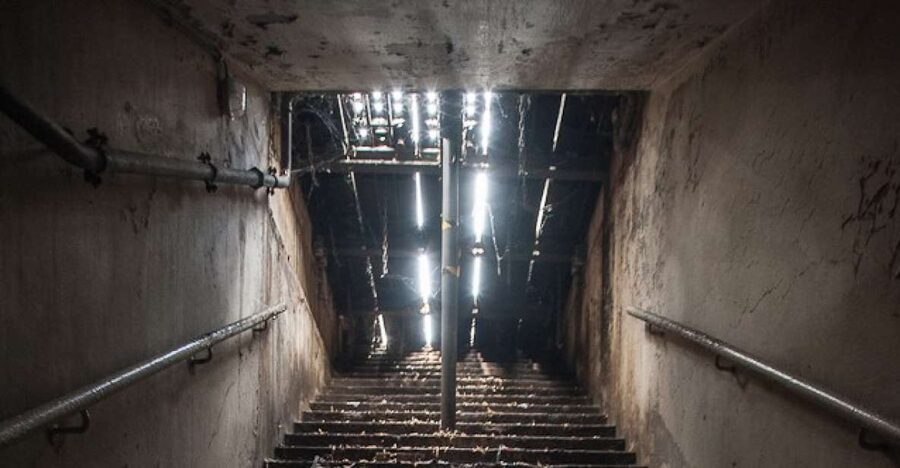
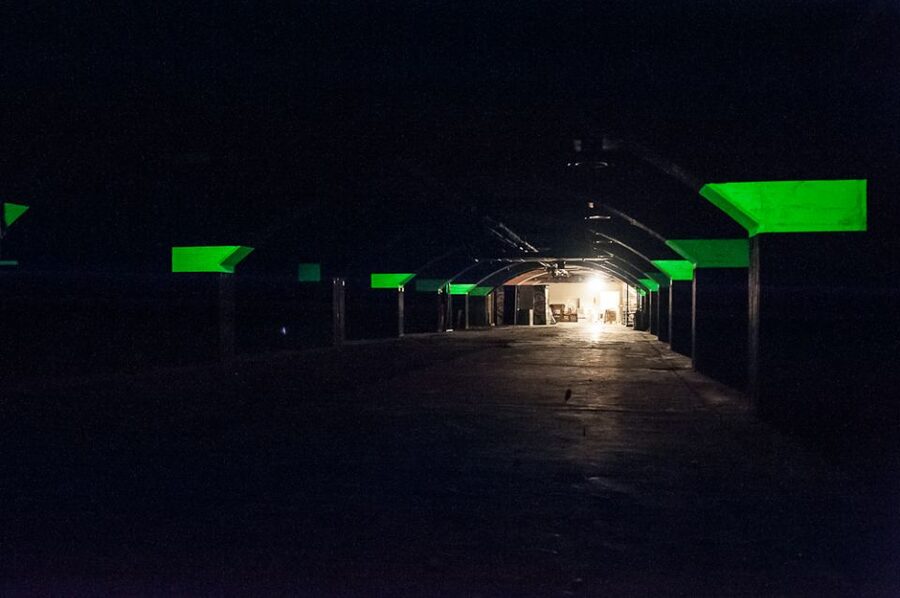
The second route opens at Bremen’s first and only underground street. It was used to supply nearby shops from below street level, and for a long time, even the Bremen police did not know about it.
That detail gives this route a different character from Unterwelten 1. The focus is less on burial and more on the unseen systems that kept the city functioning. An underground service street may not sound grand, but it reveals how businesses solved practical problems before modern delivery systems took over.
You can expect this part of the tour to appeal most if you enjoy odd urban details. The passage was not designed as a public attraction. Its value comes from seeing a working part of the city that was kept out of sight.
At Bremen Central Station, historical photographs show what once lay beneath the green forecourt of the Overseas Museum. The guide also explains why the central station was not destroyed during the Second World War.
This section adds a wider wartime question: how did important buildings and transport links survive when so much of a city was at risk? The photographs let you compare the earlier station surroundings with what you see today, while the explanation about the station’s survival gives the site more weight than a simple photo stop.
The route continues to Bremen’s freight yard and a depot containing the former banana-ripening halls of the fruit yard. Before the First World War, these facilities allowed people in Bremen to enjoy exotic fruit.
The banana halls are a quirky change of pace. They show the city’s commercial links with the wider world, but from a practical angle: fruit had to be stored and ripened before it could reach local customers. This is a useful reminder that Bremen’s trading past was supported by warehouses, depots, and behind-the-scenes work, not only grand merchant buildings.
The route finishes at the large ABC Hochbunker on Admiralstraße. You descend into the bunker to learn about Second World War air-raid shelters and how the bunker developed during the twentieth century.
This final stop gives Unterwelten 2 a firm ending. The underground street and banana halls show how goods moved through the city. The Hochbunker shows how the city prepared for danger. Together, the stops create a practical picture of Bremen as a place that had to supply, protect, and rebuild itself.
Which route should you choose?
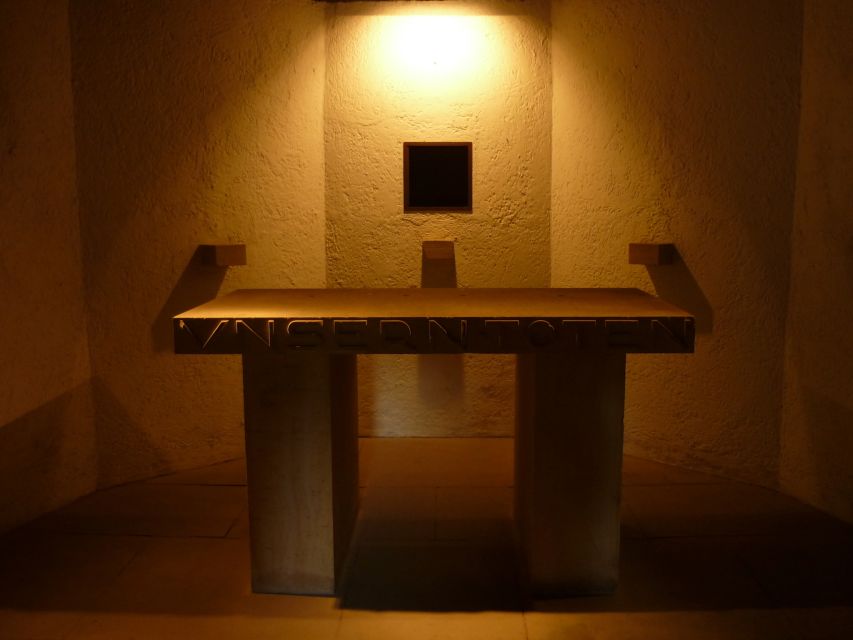
Choose Unterwelten 1 if you want a more atmospheric mixture of church history, burial spaces, air-raid protection, and Cold War planning. The crypt beneath Bremen Cathedral is the route’s most distinctive setting, while the central station bunker adds the strongest wartime connection.
Choose Unterwelten 2 if you prefer unusual infrastructure and commercial history. The underground street, the hidden area beneath the Overseas Museum forecourt, the freight yard, and the former banana halls give this option a more industrial feel.
Both routes include bunker history, but they approach it differently. Unterwelten 1 places bunkers among churches and medieval spaces. Unterwelten 2 connects them with supply networks, railway facilities, and the fruit trade.
If you are unsure, check the meeting point carefully before booking. It can vary by route. The choice is not a minor detail, since the starting location helps determine the shape of your two hours below the city.
Same rock, a different way in:
- Portimão: Benagil Caves Speed Boat Tour with Sunset Option
★ 4.8 · 11,663 reviews - Albufeira: 2.5-Hour Benagil Caves & Dolphin Watching
★ 4.6 · 10,710 reviews - Blue Cave Small-Group Boat Tour from Dubrovnik
★ 5.0 · 9,360 reviews - Best Niagara Falls US Tour W/Boat Ride, Cave & More Wonders!
★ 5.0 · 8,372 reviews
Guides, language, and the tone of the tour
The tour is conducted in German. That is the biggest practical limitation for international visitors. If you do not understand German, you may miss much of the explanation even though the physical sites remain interesting.
The guide makes a real difference here because several locations need context. A bunker can look like a plain concrete room. A hidden street can seem like a narrow passage. Historical photographs and clear explanations turn those spaces into evidence of how Bremen worked and changed.
Recent guide feedback specifically praises Thomas as an engaging speaker and Peter for a very informative tour. You cannot always choose your guide, but those names give you an idea of the kind of personal, spoken history this experience offers.
The tour is not presented as a polished sightseeing show. Its appeal comes from access and explanation. You are seeing places that are normally closed, and the guide helps connect each room to a larger story.
Program changes are possible for organizational reasons. If one location is unavailable, the operator says there will be a good alternative. If a particular bunker or crypt is especially important to you, ask about its availability shortly before the tour date.
Walking, timing, and comfort
The tour lasts two hours, but that does not mean two hours of standing in one room. The route links several underground sites and includes walking between them. One recent booking comment points out that the physical demands are not clearly stated and that the tour suits people who are good on their feet.
Take that warning seriously. The supplied information does not give a precise stair count or describe every surface, so I would not book this if walking is difficult or if you need a fully accessible route. Ask the operator for current details before paying if mobility is a concern.
Wear sensible shoes. That is plain advice, but it matters more here than on a normal city walk. You may be moving through old cellars, bunkers, and service spaces rather than smooth museum galleries.
The exact meeting point depends on the route you select. Allow a little extra time to find it, especially if you are arriving by train or fitting the tour between other Bremen activities.
Is $18 a fair price?
At around $18, this is a strong value if the route includes the places you want to see. The fee covers the guide and entry to all locations on the selected route, so you are paying for access as well as interpretation.
Many city tours charge similar prices for a walk through public streets. This one gives you access to bunkers, crypts, former commercial facilities, and other spaces that you cannot normally enter on your own. That makes the price especially reasonable for people who have already seen Bremen’s main squares and want something less predictable.
The value depends on your language and interests. If you do not speak German, you may not get enough from the guide to justify the cost. If you enjoy urban history, wartime structures, religious spaces, or overlooked infrastructure, the access alone makes the tour worthwhile.
The activity includes no pickup or drop-off. That is not a problem in central Bremen, but you need to reach the correct meeting point yourself. Cancellation is free up to 24 hours before the start, and you can reserve now and pay later, which helps if your schedule is still changing.
Who should book this underground Bremen tour?
I recommend it for visitors who have already seen the main surface sights, or for anyone who prefers unusual places to standard photo stops. It is also a good choice for history-minded people who want to connect medieval burial customs with twentieth-century war preparation.
Families with older children may enjoy the bunker and hidden-street sections, though the German-only format and walking requirements matter. The tour may also suit architecture and infrastructure fans who like seeing how ordinary buildings served unexpected purposes.
I would hesitate if you want a relaxed, easy-access activity, a tour in English, or a tightly guaranteed list of specific stops. The program can change, and the operator does not promise that every site will be open on every date.
FAQ
How long does the Bremen underground tour last?
The tour lasts two hours.
How much does the tour cost?
The listed price is $18 per person.
Are there different tour routes?
Yes. Unterwelten 1 focuses on crypts, the central station bunker, Bremen’s ramparts, and the Church of Our Lady. Unterwelten 2 focuses on an underground supply street, central station history, the freight yard, former banana-ripening halls, and the ABC Hochbunker on Admiralstraße.
What language is the tour conducted in?
The live tour guide speaks German.
Is transportation or hotel pickup included?
No. Pickup and drop-off are not included, and the meeting point varies according to the route you book.
Can I cancel the booking?
Yes. You can cancel up to 24 hours before the tour for a full refund. You can also reserve now and pay later.
Should you book it?
Book this tour if you want to see the parts of Bremen that ordinary sightseeing leaves out. Unterwelten 1 is the better pick for crypts, churches, and bunker history. Unterwelten 2 is better for hidden supply routes, railway history, commercial storage, and the old fruit yard.
The price is modest, the access is unusual, and guides such as Peter and Thomas add a personal voice to places that need explanation. Just confirm the route, check the meeting point, and be honest about your ability to walk. If German is comfortable for you and concrete cellars sound more appealing than another standard city stroll, this is one of Bremen’s more distinctive short tours.
Newly added caves around the world
- Phuket: Starlight Hong Sea Cave & Glowing Plankton by Kayak★ 4.9 · 145 reviews
- Phuket: Monkey Cave, Water Rafting, Zipline with ATV Option★ 3.7 · 161 reviews
- Phuket: Bamboo Rafting, Monkey Cave, and ATV Option★ 3.5 · 129 reviews
- Phong Nha: Zipline Dark Cave & Paradise Cave Exploration★ 4.9 · 84 reviews
- Phranang Cave Sunset with BBQ dinner & Plankton Tour★ 3.2 · 53 reviews
- Phong Nha/Dong Hoi: Phong Nha Cave and Paradise Cave Tour★ 4.9 · 82 reviews
- Phong Nha: Cave Exploration and Zipline Dark Cave Tour★ 4.7 · 87 reviews
- Phong Nha National Park: Paradise Cave Half-Day Tour★ 5.0 · 23 reviews