
Review · MAKKAH PROVINCE, SAUDI ARABIA
Makkah: Jabal Al-Nour, Cave Hira, and Mount Arafat Tour
Makkah’s most meaningful sights are spread across mountains, valleys, and pilgrimage sites, and this tour helps connect them. You’ll visit the places tied to the first revelation, the migration to Madinah, and the Hajj rites, with Mohammed Alharbi providing the history in English or Arabic. I especially like the private format and the chance to see Arafat, Muzdalifah, and Mina in one outing.
I also like the cultural side of the tour, including the Makkah Museum and Hira Cultural Museum, rather than only viewing sites from a car window. The main thing to consider is the pace: four hours is short for such a full route, and traffic or prayer times may change the order or time spent at each stop.
Key points to know before you book
- The Hajj route in one outing: Arafat, Muzdalifah, and Mina help you understand the geography behind the pilgrimage.
- Early Islamic sites: Jabal Al-Nour and Cave Hira connect the visit to the first revelation, while Cave Thawr recalls the Prophet Muhammad’s migration to Madinah.
- A private group: You get a more personal pace than on a large coach tour, with hotel pickup and drop-off included.
- A bilingual guide: Mohammed Alharbi leads in English or Arabic and uses historical storytelling, Qur’anic verses, and hadith where relevant.
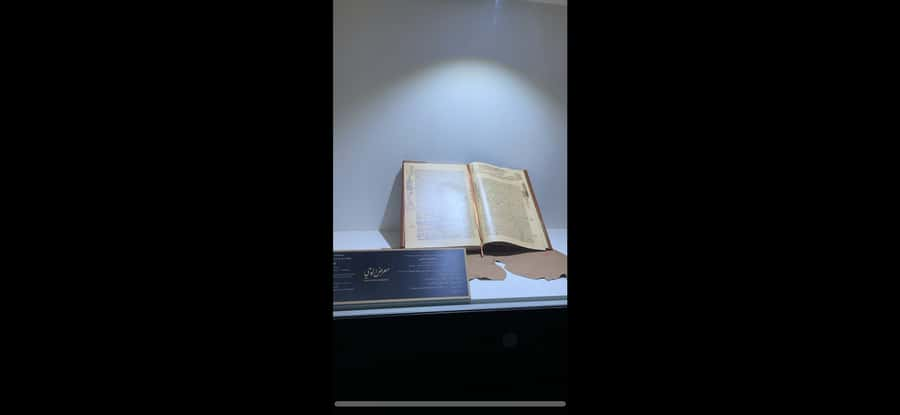
- Museum time adds context: Hira Cultural Museum and the Makkah Museum help explain what you see outside.
- Plan for uneven ground and heat: Comfortable shoes, sun protection, modest dress, and a valid photo ID are important.
Why these Makkah sites belong together
This is not simply a mountain visit followed by a drive around town. The route links three parts of Makkah’s story: the beginning of revelation, the early Muslim community’s struggle and migration, and the annual rites of Hajj.
That connection is the tour’s real value. Arafat, Muzdalifah, and Mina can look like broad open spaces if you do not know their place in the pilgrimage. A guide gives the geography a human and religious meaning. You begin to understand why these locations matter and how they fit into the movement of Hajj.
The mountains add another layer. Jabal Al-Nour and Cave Hira recall the first revelation to Prophet Muhammad, while Jabal Thawr and Cave Thawr are linked to his refuge with Abu Bakr during the migration to Madinah. You do not need to climb every mountain to benefit from the visit. Seeing the sites and hearing their stories can be enough, especially when time, heat, or mobility are concerns.
More cave tours around the world:
- Portimão: Benagil Caves Speed Boat Tour with Sunset Option
★ 4.8 · 11,663 reviews - Albufeira: 2.5-Hour Benagil Caves & Dolphin Watching
★ 4.6 · 10,710 reviews - Blue Cave Small-Group Boat Tour from Dubrovnik
★ 5.0 · 9,360 reviews
Starting from Mecca with a private pickup
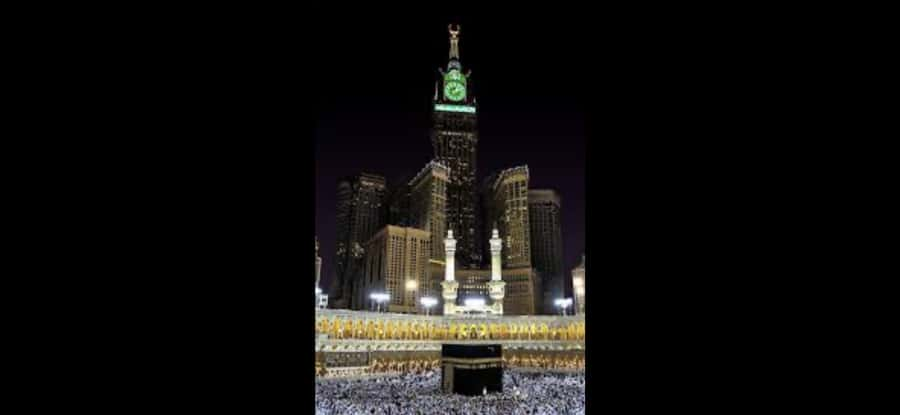
The tour begins with pickup in Mecca and includes transportation back to your hotel or agreed drop-off point. Around Alharam, traffic can be heavy, so the exact meeting point may need to be arranged based on road conditions. Arriving 15 minutes early is sensible.
A private group makes this easier. You can ask questions, adjust your pace, and avoid waiting for a large bus to gather everyone. Several accounts of the guide, Mohammed Alharbi, describe clear communication before pickup and patient waiting when meeting points were difficult to find.
The transport also matters because the sites are not all close together. You will spend part of the four-hour tour on the road, but that time helps you see how Makkah’s sacred places relate to one another. Water and juice are included, a small but welcome touch in the heat.
Arafat and the meaning of the Hajj journey
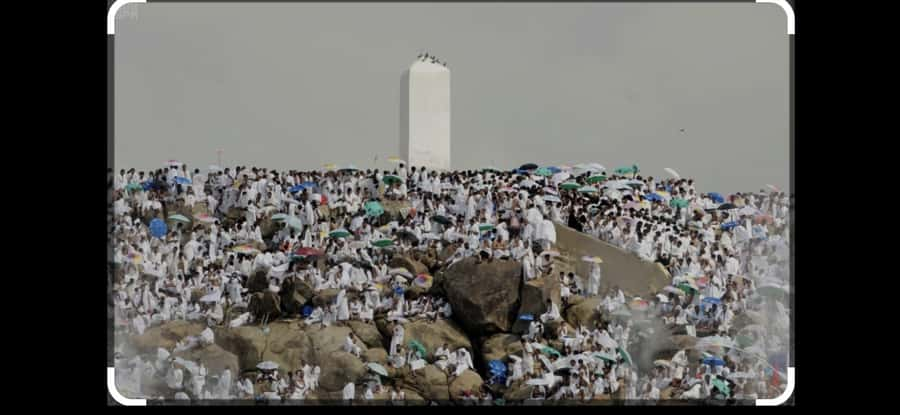
Mount Arafat is the clearest anchor of the tour. It is the place where pilgrims gather for the essential standing of Hajj, known as the Day of Arafah. The visit is guided and is listed as about one hour, giving you time to take in the setting and hear how it fits into the pilgrimage.
Arafat is not a traditional sightseeing stop with a long list of buildings to enter. Its importance comes from the religious act connected to the place. That is why a good explanation matters more than a packed schedule. You may find the open setting less visually dramatic than the mountain sites, but the spiritual importance is central.
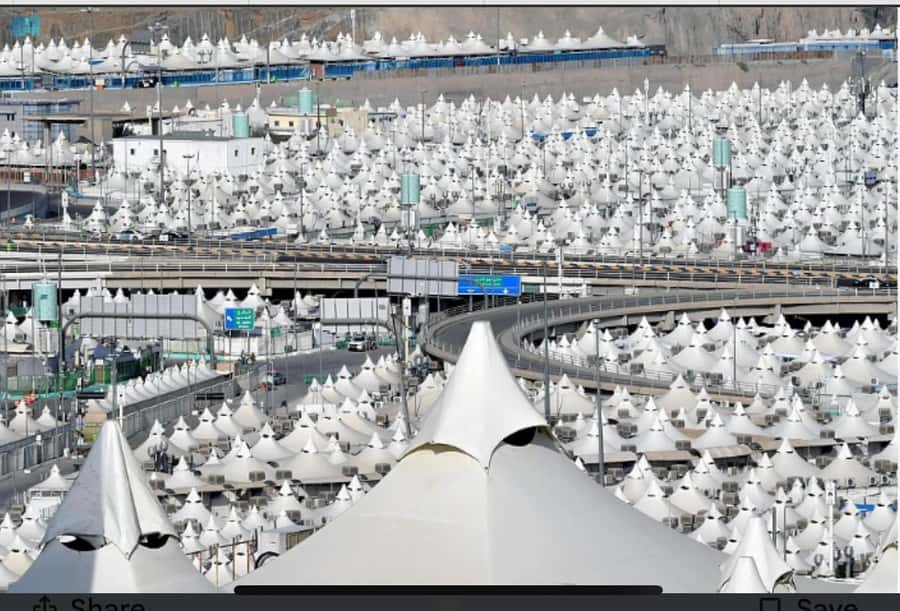
The route also includes Muzdalifah and Mina. Muzdalifah is the stop where pilgrims rest after Arafat before continuing to Mina. Mina is associated with the symbolic stoning of the devil, one of the best-known parts of Hajj.
Together, these stops give you a clearer picture of the pilgrimage route than visiting Arafat alone. I would pay close attention to the order and length of each stop, though. The published duration is four hours, and traffic can take time. The operator may adjust the schedule around prayer times and road conditions.
Jabal Al-Nour and Cave Hira
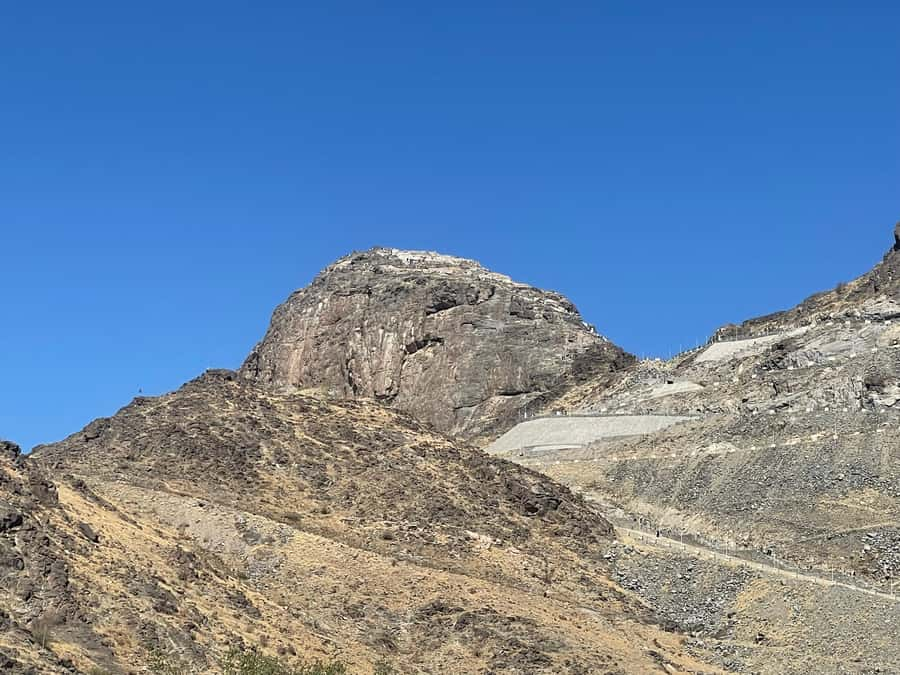
Jabal Al-Nour is associated with Cave Hira, the place connected to the first revelation received by Prophet Muhammad. For many Muslims, this is the emotional center of the tour.
The mountain is important, but this activity is not presented as a full mountain hike. You should not assume that the tour includes a climb into the cave itself, guided hiking equipment, or extended time on the trail. The supplied information focuses on visiting and learning about the site. Ask the provider about walking distance and current access conditions if reaching the cave matters to you.
Even without a climb, the stop can give you a stronger sense of the setting. The mountain, the cave, and the story of the first revelation are easier to understand when placed in the physical surroundings of Makkah. The guide’s storytelling is especially useful here. Mohammed has been praised for explaining places with relevant Qur’anic verses and hadith, rather than offering only dates and names.
The heat is a serious practical point. Bring a hat, sunscreen, water, and comfortable shoes. Dress modestly, with shoulders and knees covered. If you tire easily, tell the guide early so the visit can match your pace.
Same rock, a different way in:
- Best Niagara Falls US Tour W/Boat Ride, Cave & More Wonders!
★ 5.0 · 8,372 reviews - Aruba UTV, ATV Adventure to Secret Beach and Cave Pool
★ 5.0 · 7,730 reviews - Aruba Natural Pool and Indian Cave Rugged Jeep Safari
★ 5.0 · 7,713 reviews - Blue cave, Mamma Mia and Hvar, 5 islands speedboat tour
★ 5.0 · 7,150 reviews
Jabal Thawr and the Cave of Thawr
Jabal Thawr recalls a different part of the Prophet’s life. The Cave of Thawr is where Prophet Muhammad and Abu Bakr took refuge from their enemies during the migration to Madinah.
This stop works well beside Cave Hira because the two mountains tell different stories. Hira is linked to the first revelation. Thawr is linked to danger, protection, and the journey to establish the Muslim community in Madinah. Hearing both stories in one day makes the geography feel more connected.
Again, you should confirm what access is possible on the day. The information promises a visit to Cave Thawr, but it does not specify a climb or guarantee entry into the cave. The tour may focus on viewing the mountain and receiving an explanation from the guide.
That is not a flaw for everyone. A full climb would add time and physical strain to a route that already includes several distant stops. If your main goal is historical context rather than strenuous walking, the shorter format may suit you better.
Hira Cultural Museum and Makkah’s museums
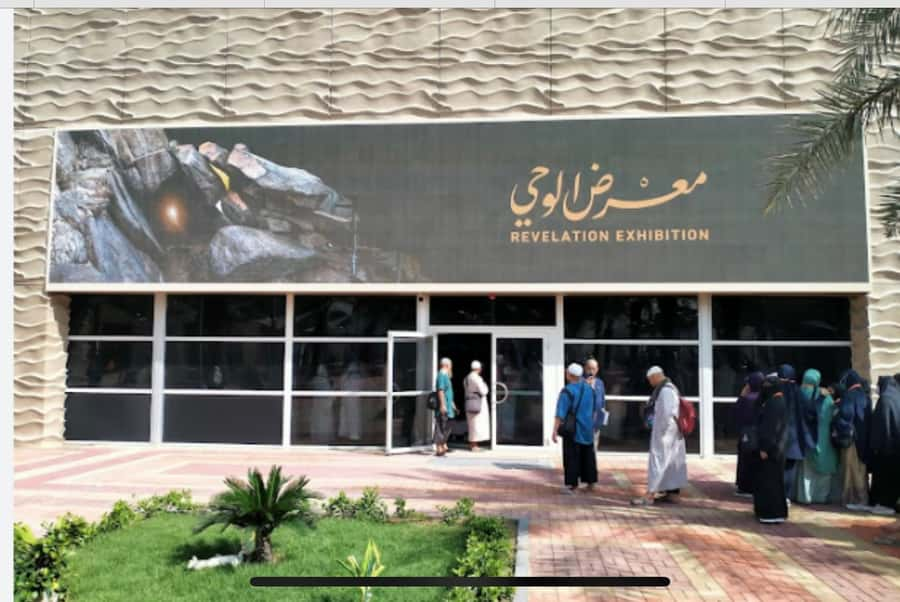
The museum portion gives the tour a useful change of pace. Mountains and pilgrimage sites can be powerful, but it is harder to absorb their meaning without objects, displays, and wider context.
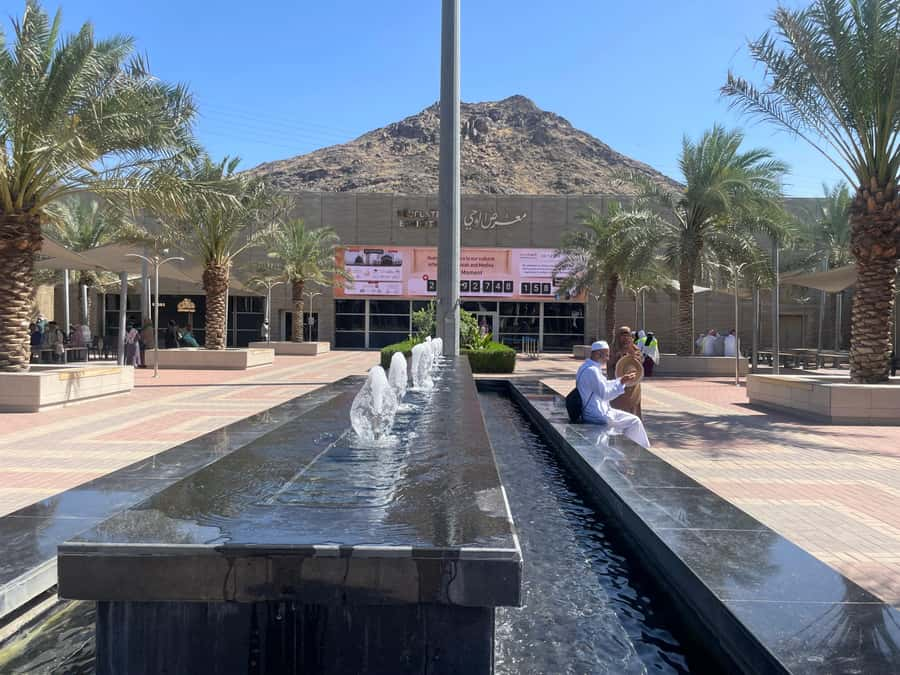
The Hira Cultural Museum is described as a place to learn about the first revelation and Makkah’s heritage. The Makkah Museum adds another setting for understanding the city’s Islamic history and cultural importance. Museum access can depend on tickets, and tickets are not included, so confirm the current admission arrangements before you set your budget.
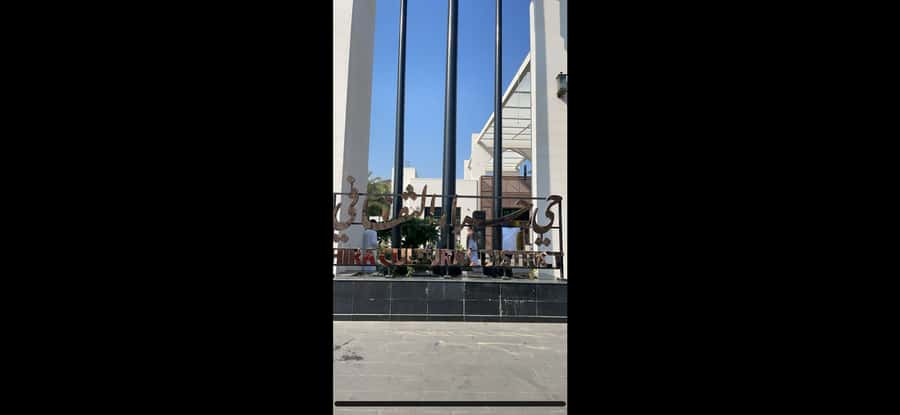
One particularly appealing detail is the Saudi hospitality associated with the Jabal Hira Visitors Center. Mohammed has provided Saudi coffee and sukari dates with tahini sauce in a traditional Arabic seating area during some visits. This is not listed as a guaranteed part of every booking, so treat it as a possible extra rather than a promise.
That kind of pause can make the day feel less like a checklist. You have time to sit, ask questions, and think about the places you have just seen. If you prefer a tour that stays outdoors and moves quickly, the museum visits may feel less essential. If you want context, they are worth keeping in the plan.
Mohammed Alharbi’s guiding style
The guide is one of the strongest reasons to consider this tour. Mohammed Alharbi leads in English and Arabic, communicates clearly, and is described as patient and attentive to different levels of energy.
His approach is religious as well as historical. He connects sites with Qur’anic verses and hadith when relevant, explains the people linked to each location, and uses backstories to make the stops easier to follow. A sound system has also been used to share background information during the drive.
That style will suit you if you want more than a quick photo stop. It is also helpful for families and mixed-language groups. Arabic speakers can receive the tour in Arabic, while English speakers can follow along in clear English.
The religious tone is part of the experience, not a side feature. If you are looking only for secular city sightseeing, this may not be the right choice. If you want a respectful explanation of Makkah’s religious meaning, the guide’s approach is a strong match.
Is $125 good value for four hours?
At $125 per person, the tour is not the cheapest way to see Makkah’s outskirts. Its value depends on what you would otherwise need to arrange yourself.
The price includes hotel pickup and drop-off, transportation, a private group, a bilingual guide, historical storytelling, and refreshments. You are paying for the guide’s time and for a route that connects several sites that are difficult to understand as separate stops.
A four-hour tour can also save planning time. You do not need to work out how to combine Arafat, Muzdalifah, Mina, the mountains, and museums on your own. The private format may be especially useful for families or small groups who want questions answered without holding up a busload of people.
There are limits. Meals are not included, and tickets are not included. The full route may also be shortened or rearranged by traffic, prayer times, or access conditions. Before booking, ask which museums are included in the planned route and whether any admission fees apply.
The best value comes when you want interpretation, not just transportation. If you already know the history and only need a car, you may find the price harder to justify. If you want the places explained properly, the cost is more reasonable.
Who will enjoy this tour most
I would recommend this experience to visitors who are in Makkah for a limited time and want a guided introduction to the city’s sacred geography. It suits first-time visitors, families, couples, and small private groups.
It is also a good fit if you want English or Arabic commentary and prefer a respectful religious focus. The guide’s patient manner may help if members of your group need extra time or want to stop for questions.
You should think carefully if anyone in your group has a mobility impairment. The activity is listed as not suitable for people with mobility impairments, and the mountain sites may involve uneven or difficult walking. Bring good shoes, but do not assume that comfortable shoes remove every physical challenge.
The tour is also less suitable if you want a long hike up Jabal Al-Nour or Jabal Thawr. The information does not promise a full climb, so confirm the walking plan before you reserve.
Practical advice for a smoother visit
Keep your clothing modest, covering shoulders and knees. Bring a valid photo ID, a camera if you want one, sunscreen, and a hat. Smoking is not allowed.
Build some flexibility into your day. Prayer times may affect the schedule, and traffic near Alharam can change the pickup point. A four-hour duration is a useful guide, not a guarantee that every stop will receive equal time.
I would also avoid booking the tour too close to an important appointment. You want room for delays, especially if traffic is heavy or the route changes. Ask the operator about the exact starting time, the museum stops, ticket costs, and how much walking is expected at each mountain.
Free cancellation is available up to 24 hours before the tour, and you can reserve now and pay later. Those terms give you some flexibility, but they do not remove the need to check the practical details.
Should you book the Makkah heritage tour?
Book it if you want Makkah explained through its sacred places, not simply photographed from a vehicle. The combination of Arafat, Muzdalifah, Mina, Jabal Al-Nour, Cave Hira, Cave Thawr, and the museums gives you a broad introduction in a short time.
The strongest reasons to choose it are Mohammed Alharbi’s patient bilingual guiding, the private format, and the use of Qur’anic and historical context. The main cautions are the short four-hour schedule, possible traffic changes, separate ticket costs, and the physical demands of mountain areas.
For a first visit, a family group, or anyone wanting a more meaningful look at Makkah beyond the Grand Mosque area, I think it is a worthwhile choice. Just confirm the walking plan and museum admissions before paying, then arrive ready for a thoughtful, faith-centered outing rather than a rushed sightseeing circuit.
FAQ
How long does the Makkah tour last?
The stated duration is four hours. The exact timing can change because of traffic around Alharam and prayer times.
What languages does the guide speak?
The live guide provides the tour in English and Arabic.
Is hotel pickup included?
Yes. Hotel pickup and drop-off in Mecca are included, although the exact pickup point may need to be arranged according to traffic conditions around Alharam.
Which Hajj sites does the tour visit?
The tour includes Arafat, Muzdalifah, and Mina. Arafat includes a guided visit listed at about one hour.
Does the tour include Cave Hira and Cave Thawr?
The experience includes visits to Jabal Al-Nour and Cave Hira, as well as Jabal Thawr and Cave Thawr. The supplied details do not guarantee a full climb into either cave, so confirm the walking and access plan before booking.
Are museum tickets and meals included?
No. Meals and tickets are not included in the price. Water and juice refreshments are included.
What should I bring?
Bring comfortable shoes, a hat, sunscreen, a camera, and a valid photo ID. Dress modestly with your shoulders and knees covered, and arrive 15 minutes before the tour begins.
Newly added caves around the world
- Phuket: Starlight Hong Sea Cave & Glowing Plankton by Kayak★ 4.9 · 145 reviews
- Phuket: Monkey Cave, Water Rafting, Zipline with ATV Option★ 3.7 · 161 reviews
- Phuket: Bamboo Rafting, Monkey Cave, and ATV Option★ 3.5 · 129 reviews
- Phong Nha: Zipline Dark Cave & Paradise Cave Exploration★ 4.9 · 84 reviews
- Phranang Cave Sunset with BBQ dinner & Plankton Tour★ 3.2 · 53 reviews
- Phong Nha/Dong Hoi: Phong Nha Cave and Paradise Cave Tour★ 4.9 · 82 reviews
- Phong Nha: Cave Exploration and Zipline Dark Cave Tour★ 4.7 · 87 reviews
- Phong Nha National Park: Paradise Cave Half-Day Tour★ 5.0 · 23 reviews